
Got a tight budget but luxe taste? Same. The secret isn’t buying expensive furniture—it’s styling the pieces you have so they look intentionally chic. These eight tricks add polish, depth, and “did you hire a designer?” vibes fast. Let’s make your bargain buys look bougie.
1. Elevate With Hardware That Feels Heavy
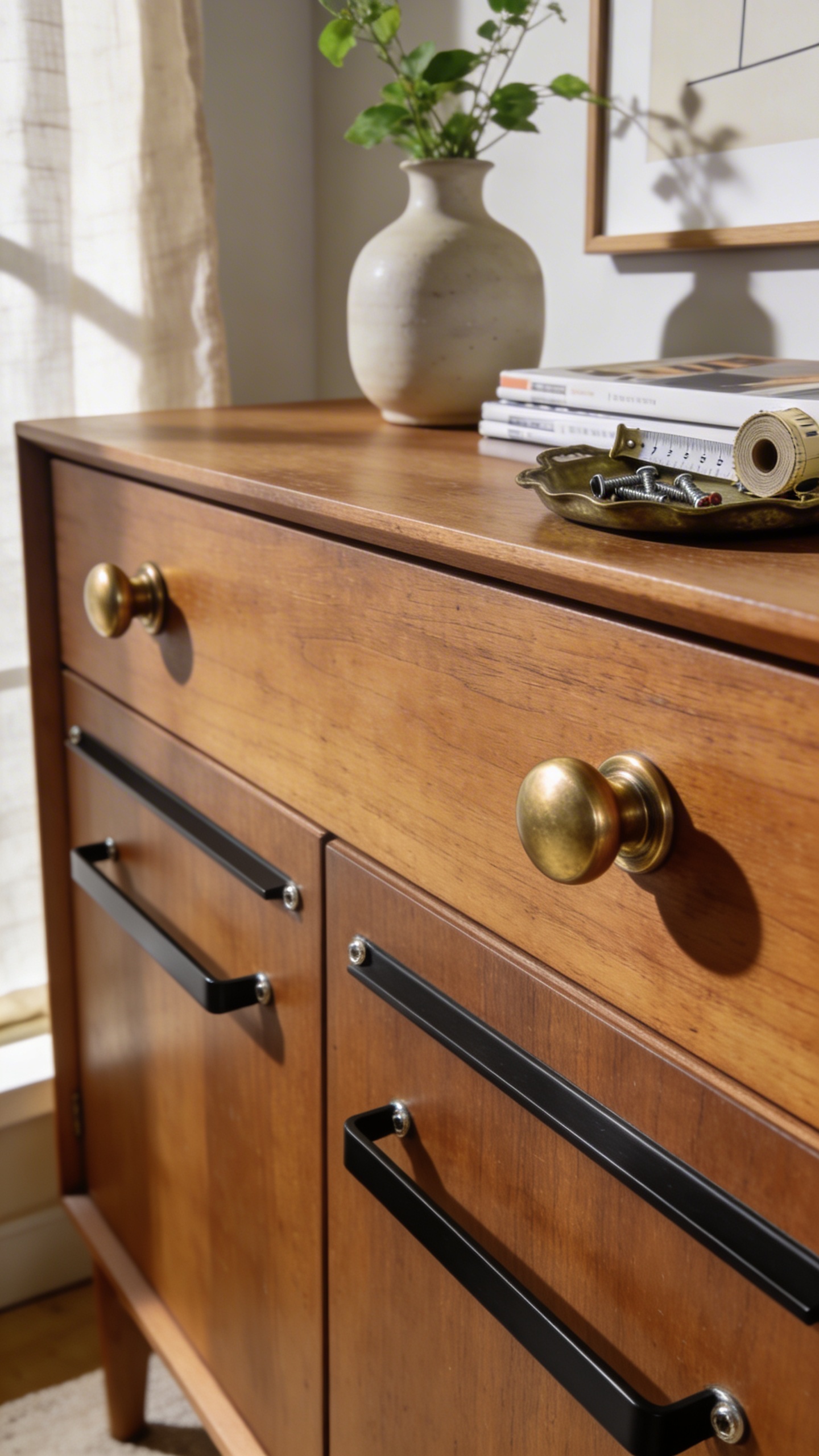
Swapping flimsy knobs for solid metal hardware turns basic furniture into a statement. It’s the fastest glow-up for dressers, sideboards, and nightstands. Think of it like jewelry for your furniture—only this bling actually does something.
Tips
- Choose finishes like brushed brass, matte black, or antique bronze for a designer look.
- Measure screw spacing before you order to avoid drilling new holes (unless you’re cool with it).
- Mix shapes—round knobs on drawers, slim bar pulls on doors—for subtle variety.
Heavy hardware instantly adds visual weight and a custom look. Use this trick on IKEA pieces, thrift finds, or anything that looks a little “dorm.”
2. Upgrade Legs And Add Space Underneath
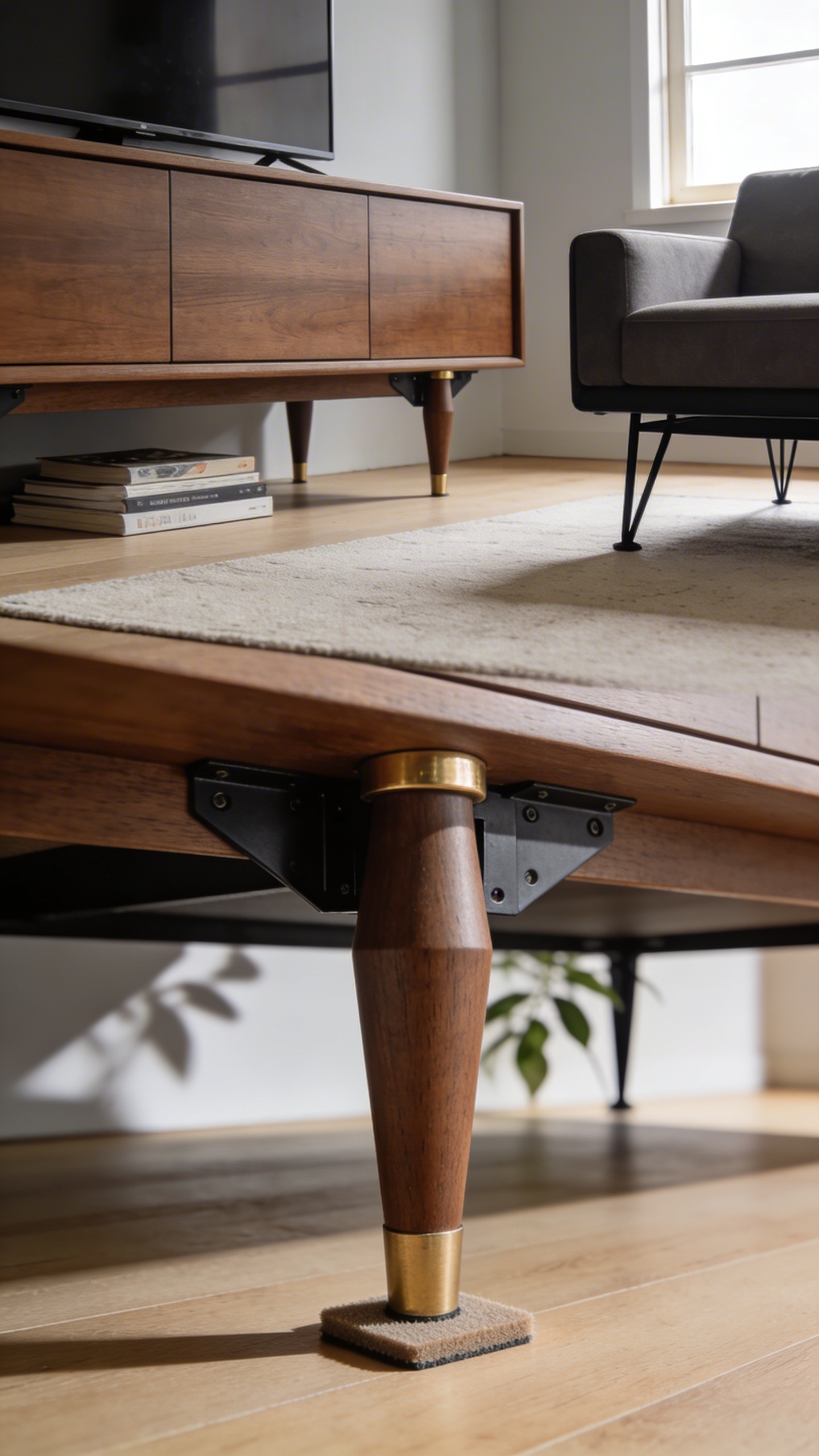
Short, chunky legs make pieces feel cheap. Swapping in tapered wooden or metal legs lifts furniture—literally and visually. That air gap makes everything feel lighter, pricier, and more intentional.
Materials
- Mid-century tapered legs (6–8 inches) with angled plates
- Brushed brass cap legs for glam, or black steel hairpins for modern
- Felt pads to protect floors and prevent wobble
Raising a TV console, sofa, or cabinet changes the whole silhouette. Try it when a piece feels blocky, heavy, or “starter apartment.”
3. Paint With Grown-Up Finishes (Not Just Any Paint)
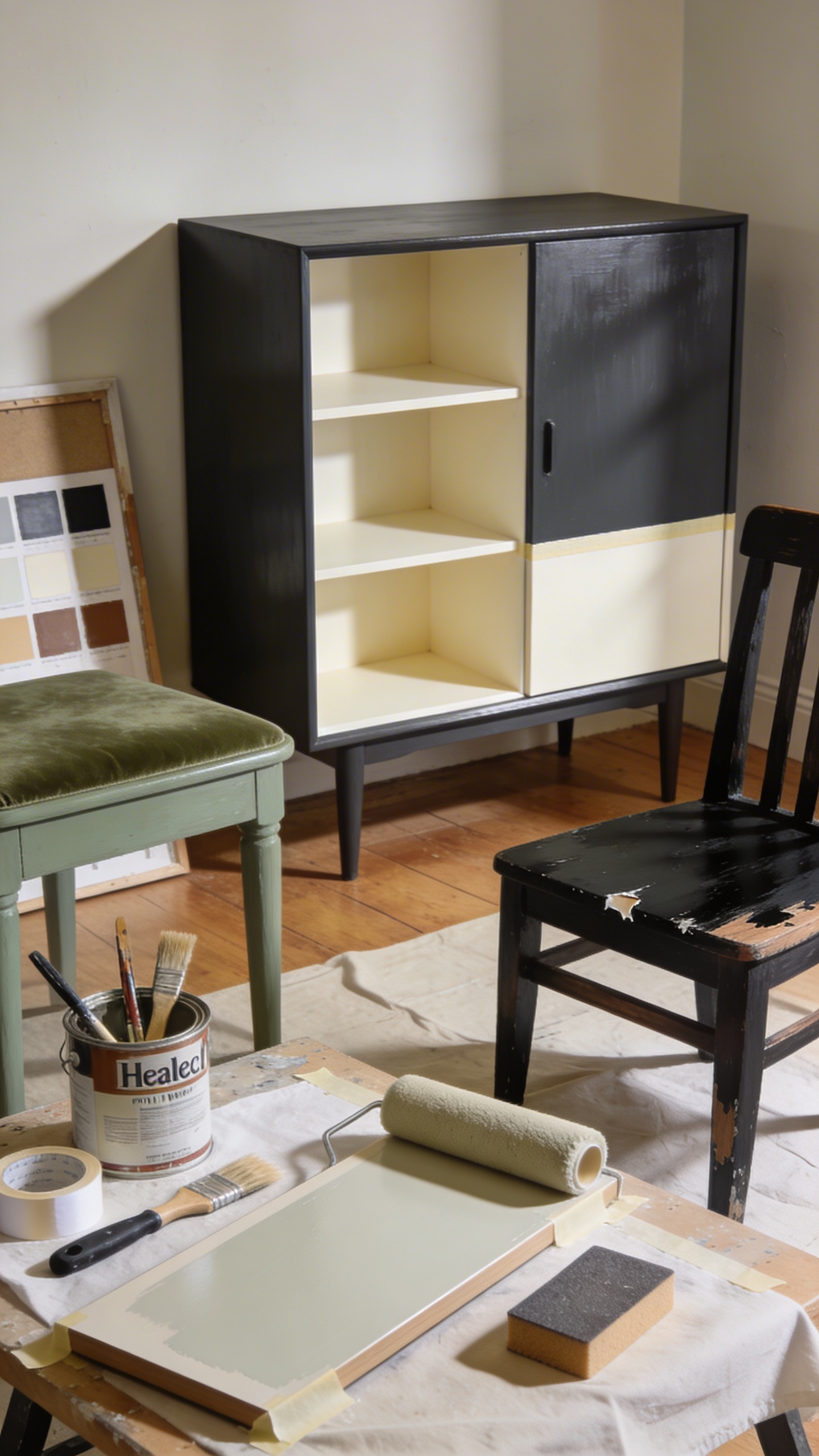
Paint can save almost any budget piece, but the finish matters more than the color. Cheap paint shows every bump; the right finish hides sins and looks luxe. FYI: prep is everything.
Key Points
- Satin or eggshell on most furniture; matte for that designer, chalky look (seal it!).
- Use a shellac-based primer on laminate and glossy surfaces for no-peel results.
- Consider two-tone: dark exterior, light interior for cabinets; or color-drench a piece to make it feel custom.
Paint unifies mismatched materials and disguises budget wood grain. When your piece looks busy or plasticky, paint it smarter, not harder.
4. Add Molding, Trim, And Edge Banding For Architecture
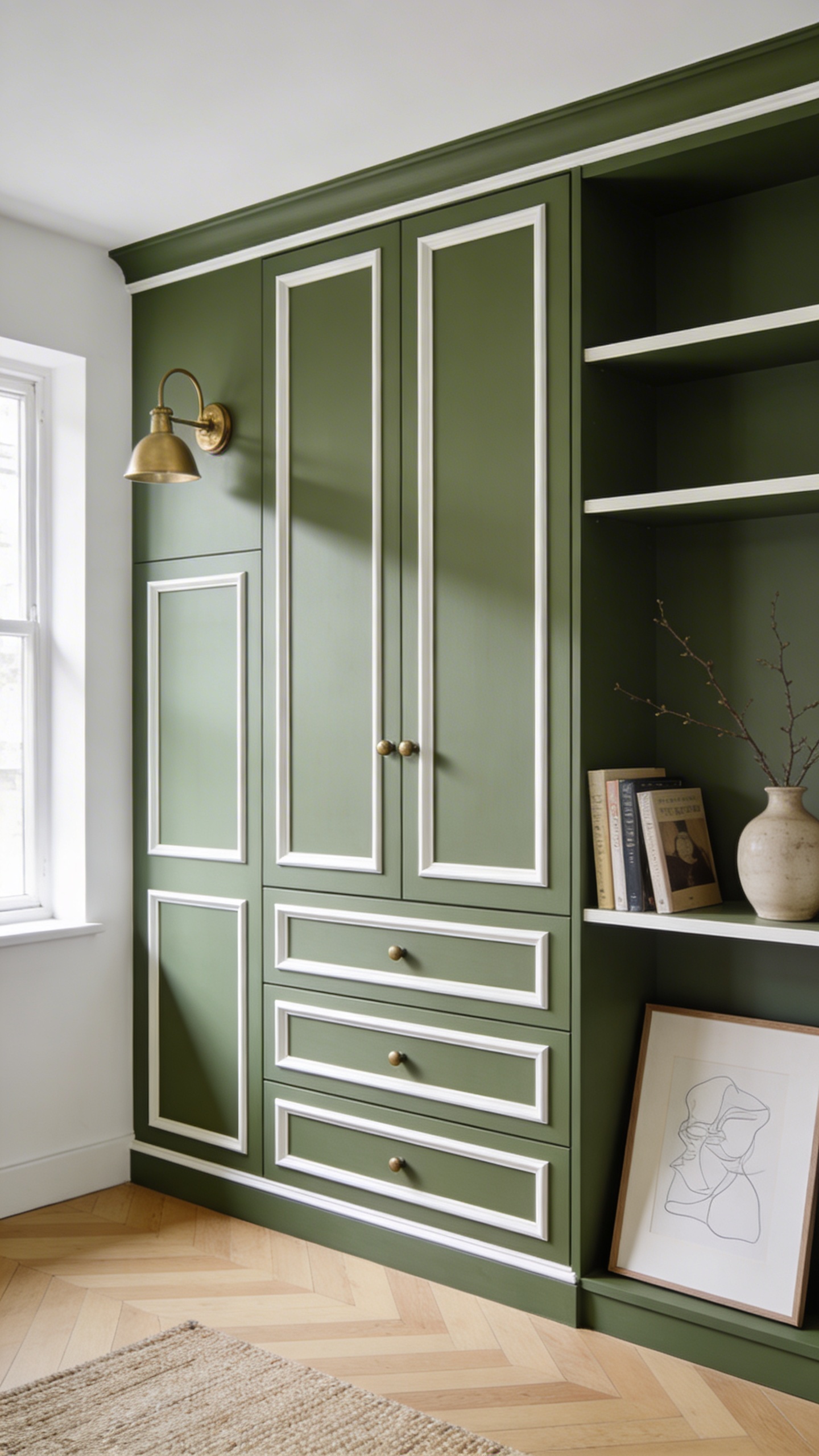
Flat-pack furniture looks…flat. Add depth with simple trim that creates panels or frames. It’s like giving your piece architectural cheekbones.
What To Add
- Square dowels or screen molding to fake shaker fronts
- Edge banding (iron-on) to hide raw particleboard edges
- Picture-frame molding on doors and drawer faces for instant structure
Paint everything one color after installing trim for a seamless, custom build vibe. Use this on wardrobes, IKEA hacks, or plain bookcases that need depth and gravitas.
5. Style Surfaces With Fewer, Bigger, Better Objects
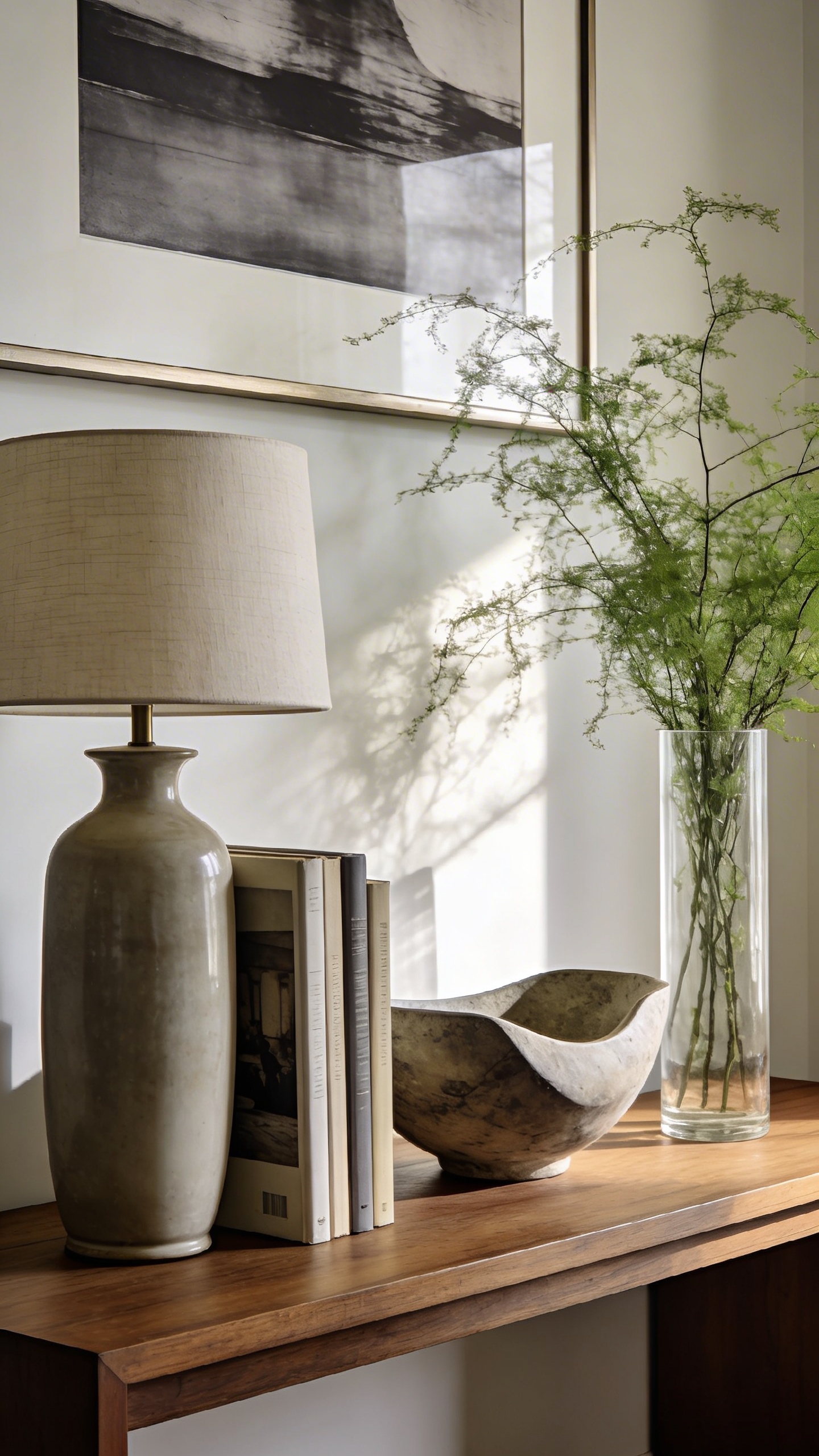
Clutter screams inexpensive. Curate. Styling with fewer, larger pieces looks editorial and expensive because it gives every object room to breathe.
Go-To Styling Formula
- Height: a lamp, tall vase, or stacked books
- Shape: a bowl, sculptural object, or box
- Organic: greenery, branches, or a stone element
Stick to a tight color palette and mix textures—ceramic, glass, wood, metal. When a surface feels busy or random, edit ruthlessly, then scale up your accents.
6. Layer Textiles Like You Meant It
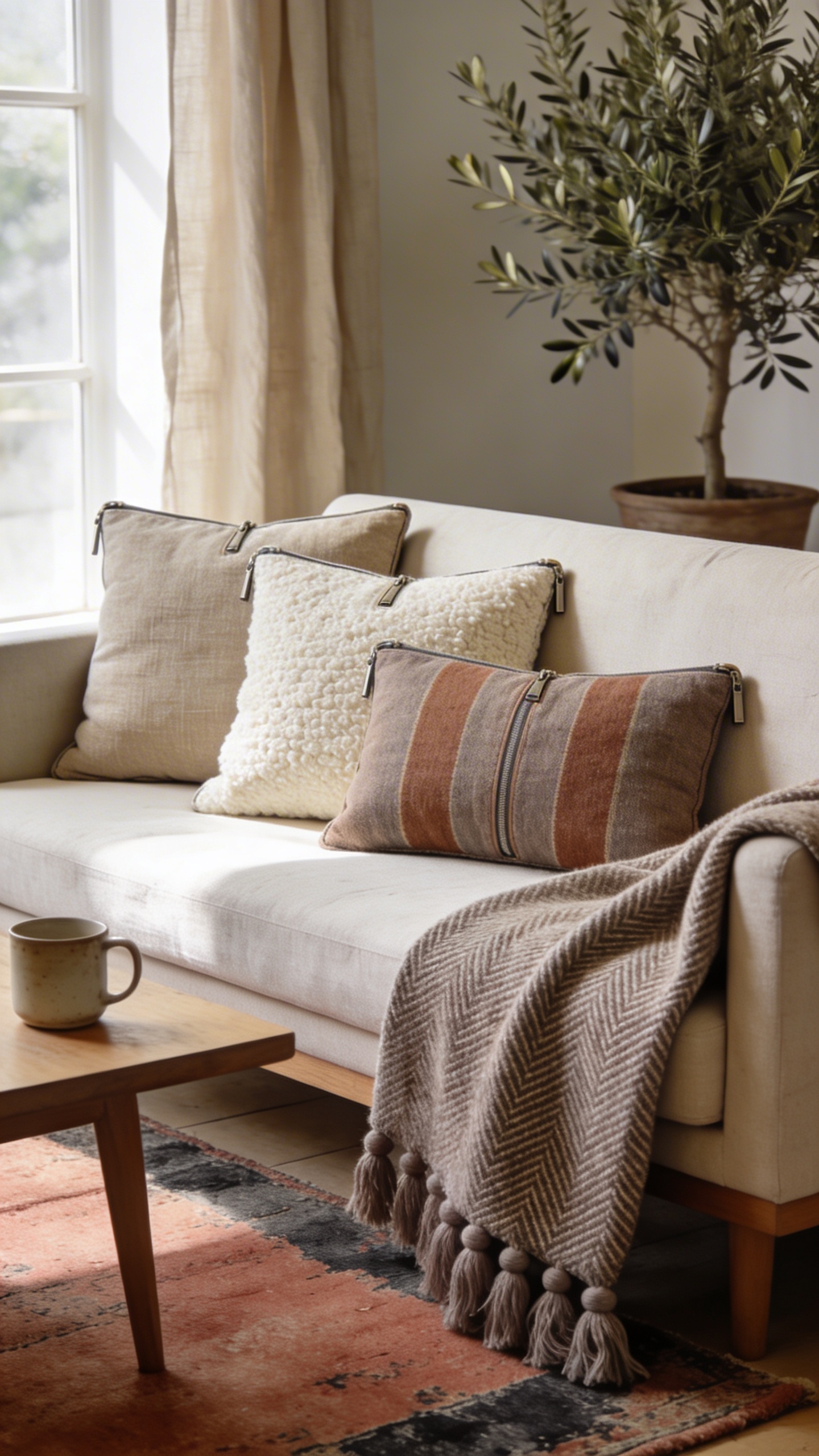
Soft goods turn “cheap” into “cozy-chic” fast. The trick isn’t more pillows—it’s better textures and smart layering. Think hotel bed, not pillow avalanche.
Materials To Mix
- Linen or bouclé pillow covers (zippered, not permanently stuffed)
- Wool blend or cotton herringbone throws with visible weave
- Low-pile vintage-look rug to ground the room
Use odd numbers, vary sizes, and avoid matchy-matchy sets. Swap synthetic-shiny fabrics for nubby, matte textures and your sofa instantly graduates to grown-up status, seriously.
7. Hide The Cheap Stuff, Highlight The Good Stuff
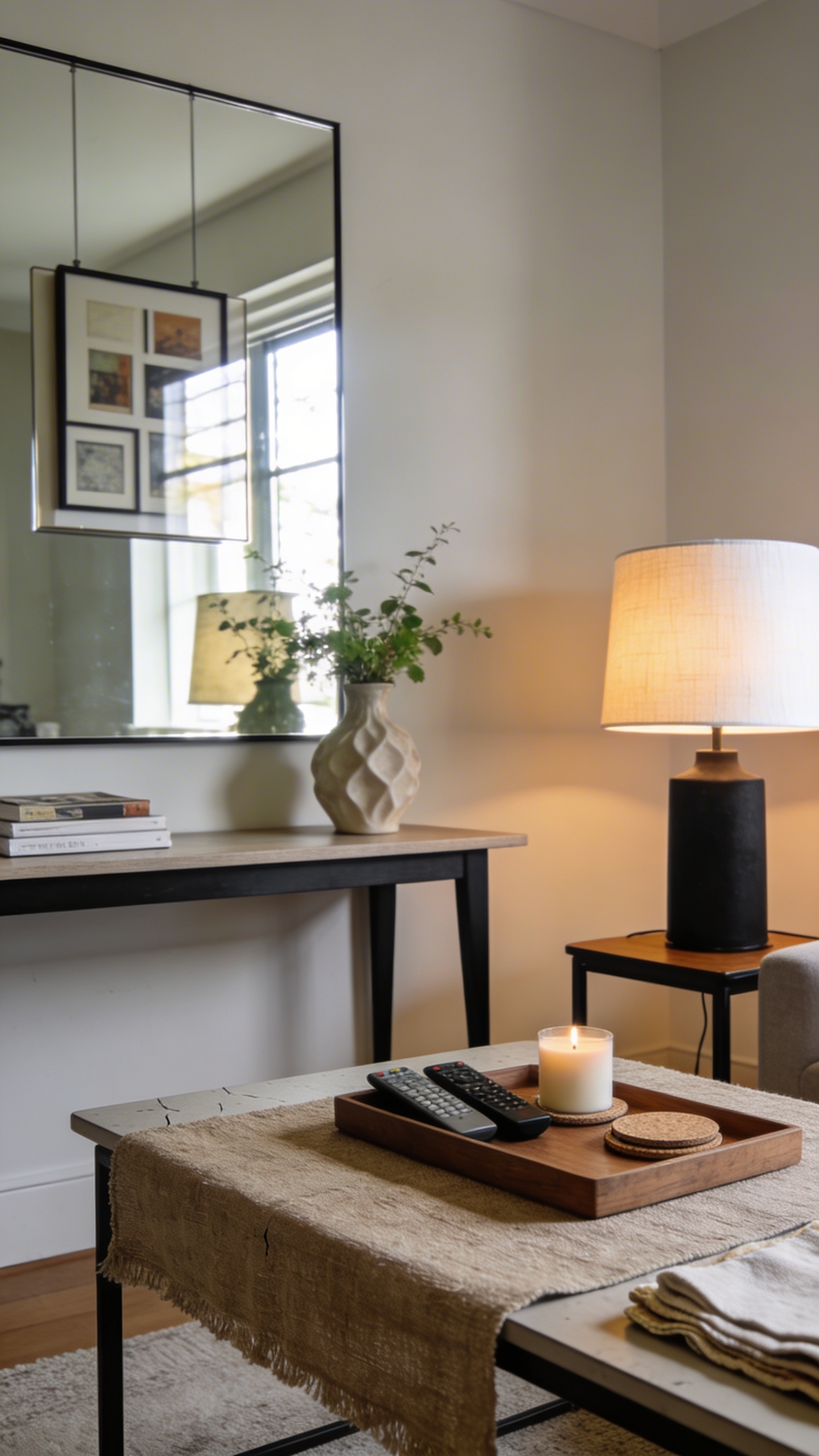
Designers do this constantly: disguise weak points and spotlight winners. You can’t change everything, but you can control what steals attention.
Do This
- Use a tray to corral remotes and randoms—contained chaos looks intentional.
- Add a table runner or thick linen placemats to cover thin, scratchy tabletops.
- Float art above a basic console and add a big mirror to double the light.
- Swap lampshades to linen drum shades; skip shiny plastic that screams bargain bin.
Guide the eye to bigger moves—lighting, art, and texture—and everything reads more high-end. Use this when replacing a piece isn’t in the budget (IMO, that’s most of the time).
8. Dial In Color And Symmetry For Instant Calm
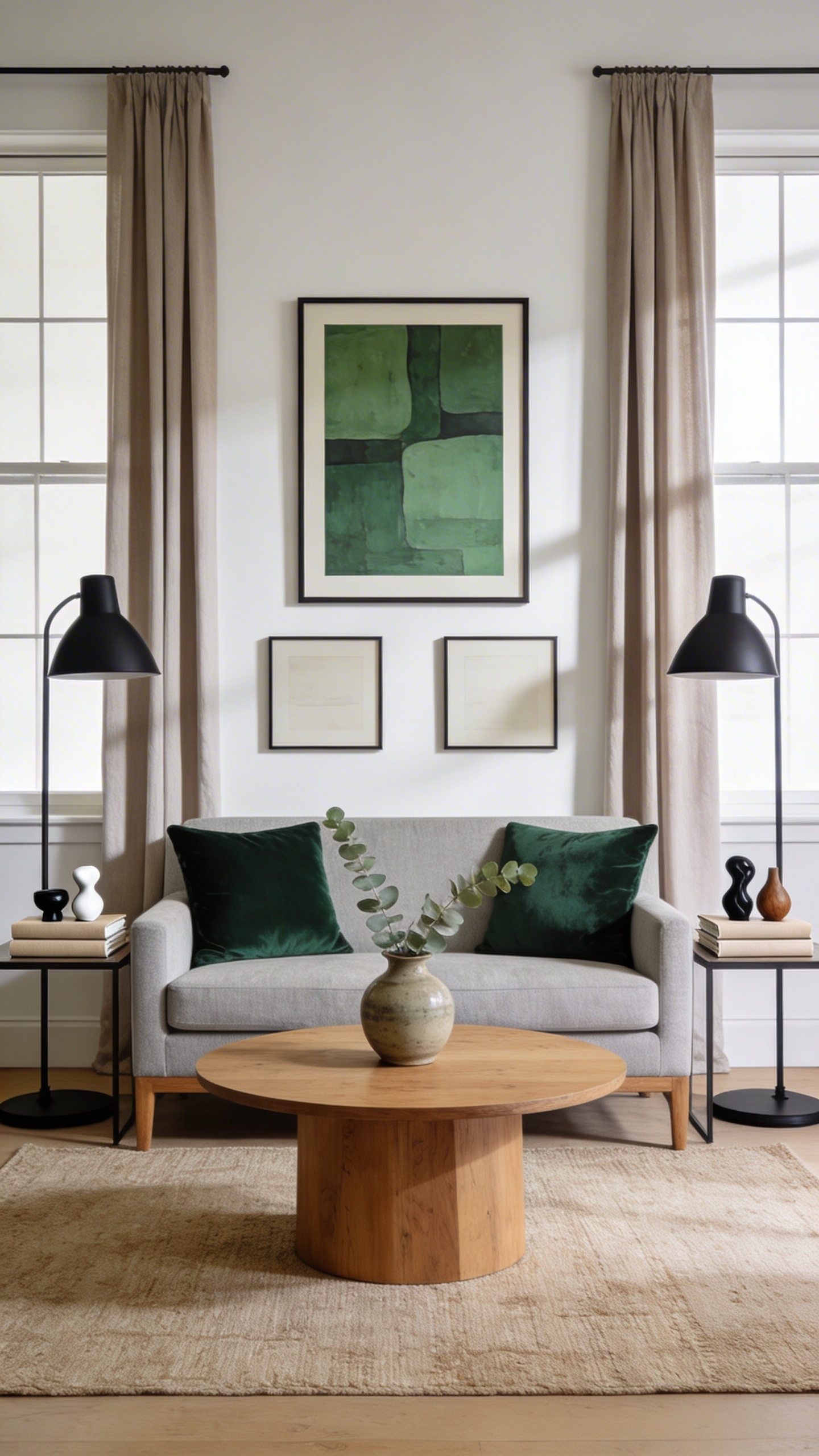
High-end rooms feel calm because they repeat colors and create balance. Cheap rooms often overload color and wander everywhere. Reign it in and repeat, repeat, repeat.
Easy Rules
- Pick a 3-color palette: one dominant neutral, one secondary neutral, one accent.
- Repeat your accent color at least three times across the room.
- Create pairs: lamps, pillows, or side tables for symmetry that reads polished.
When a space feels chaotic, edit colors and mirror your layout left-to-right. The harmony alone makes everything look more expensive—no shopping cart required, trust me.
Ready to fake a splurge? These tricks turn budget basics into pieces you’ll brag about. Start with hardware or paint, then layer in textiles and styling. Your home will look designer-done—and your wallet can take a well-deserved nap.
Explore My Favorite Finds
Discover beautiful home pieces, cozy essentials, and elegant decor I personally love — all in one place.
Visit My ShopExplore More & Elevate Your Home
If you’re dreaming of stylish rooms, warm textures and beautiful details that transform your space, explore our Home Décor.
For soft evenings, slow routines and a home that feels like a warm hug, discover more ideas in Cozy Living.
If you’re ready for less chaos and more calm, find realistic routines and tidy-home solutions inside Organization.
For soft-life habits and everyday routines that feel good, visit our Home Lifestyle.
When you’re in the mood for glow-up projects and creative home upgrades, explore DIY & Makeovers.
And if you want your balcony, terrace or garden to feel just as cozy as your indoors, get inspired in Outdoor Living.