
Let’s cut to the chase: overwatering, underwatering, and a bunch of common bungles are killing your greenery—without you even realizing it. Here are six practical fixes that feel easy, look smart, and actually make your plants happier.
1. Overwatering: The Silent Plant Slobber That Drowns Roots
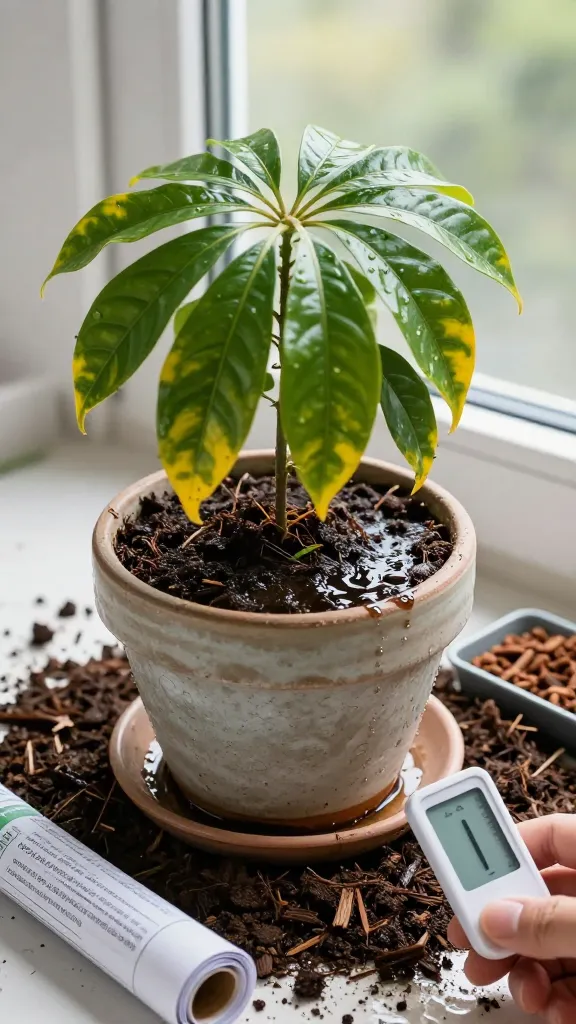
Overwatering is the number one culprit, and it happens to the best of us. It’s not about how much you water, but how often and how well the soil drains.
Why it matters
Constantly soggy soil robs roots of oxygen, invites root rot, and makes plants look sulky and sad. FYI, droopy leaves after a watering session aren’t a good sign—listen to the plant, not your guilt.
What to do
- Use a well-draining potting mix and a pot with drainage holes
- Water only when the top inch of soil is dry for most houseplants
- Empty saucers after watering to avoid puddles
Benefits: happier roots, sturdier growth, and fewer cases of yellowing leaves. Apply this weekly check and your plants will thank you.
2. Underwatering: The Thirsty Plant That Pretends It’s Fine
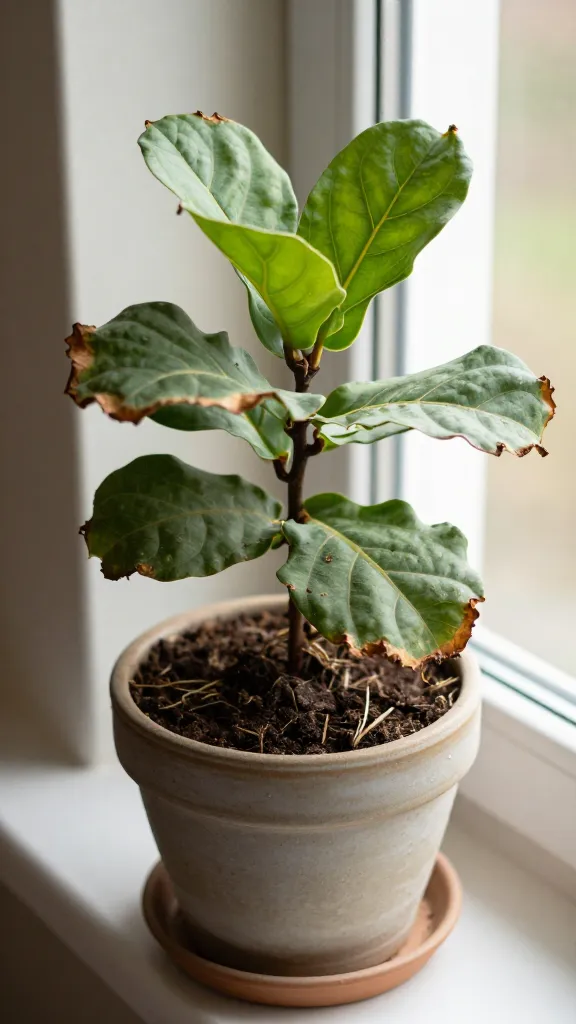
Underwatering is surprisingly common. Plants can go through dry spells like us skipping a latte—eventually they show it with crispy edges and crisp leaves.
Why it matters
Dry roots can’t drink from the soil, so they pull moisture from leaves, which leads to brown tips and slowed growth. Trust me, you’ll notice a dramatic difference once you fix the cadence.
What to do
- Water thoroughly until you see it drain from the bottom
- In dry rooms, water a bit more frequently but still observe the soil
- Group plants with similar water needs to simplify care
Benefits: vibrant foliage, stronger stems, and less worry about “is it dead or just thirsty?”
3. Watering on a Schedule Without Considering Seasons
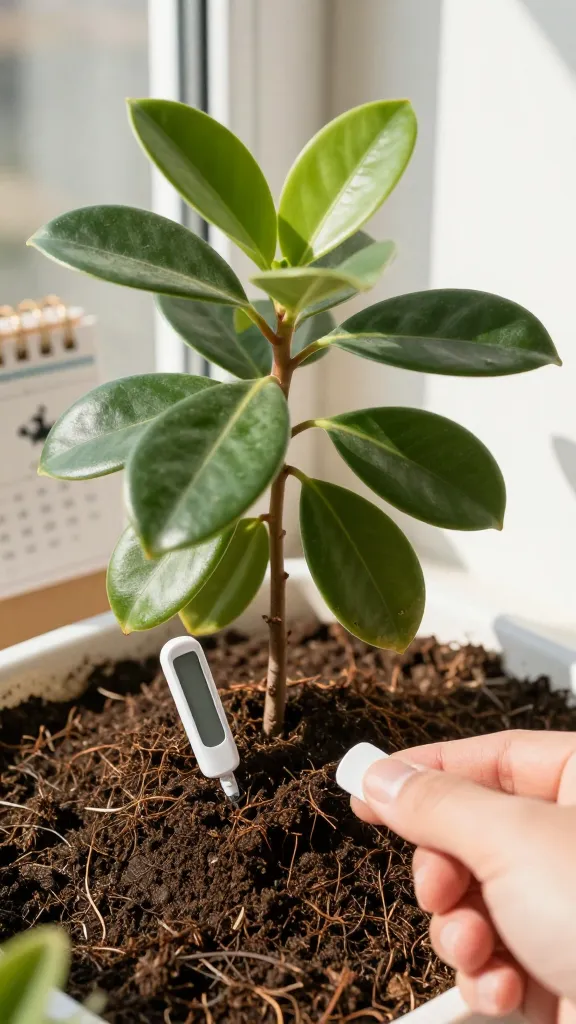
Plants aren’t robots. They respond to seasonality, light, and humidity. A rigid schedule can turn a once-happy plant into a casualty of your calendar.
Why it matters
Seasonal changes affect how fast soil dries, so a one-size-fits-all approach rarely works. IMO, adapt watering to the plant, not the clock.
What to do
- Check soil moisture with a finger test or a moisture meter before watering
- Increase watering frequency in hot, dry locations; reduce in cool, damp spots
- Adjust in grow rooms versus winter dormancy—plants drink less in winter
Benefits: less waste, healthier soil, and your plants will look more alive even during dormant months.
4. Ignoring Drainage: The Root Bottle-Neck You Didn’t See
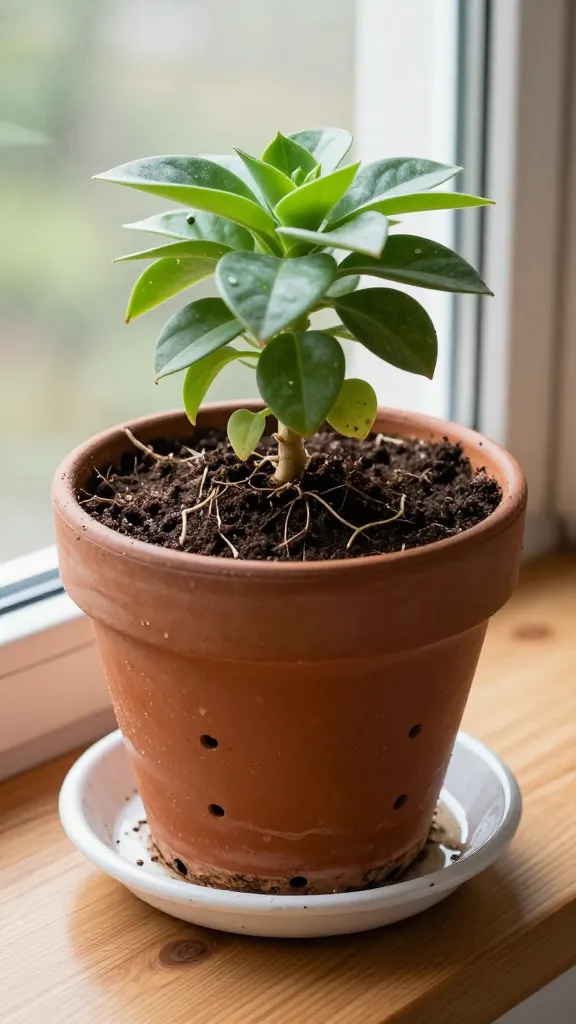
Good drainage is the unsung hero of plant care. If water sits in the pot, roots suffocate and rot, even if you’re a watering queen or king.
Why it matters
Stagnant water leads to fungus gnats, algae growth on the soil surface, and unhappy roots. It’s a silent killer you can fix in minutes.
What to do
- Choose pots with drainage holes and a tray to catch excess water
- Use a soil mix designed for drainage (think cactus-succulent mix if appropriate)
- Consider bottom-watering for plants that tolerate it
Benefits: stronger roots, fewer pests, and soil that doesn’t stay soggy for days.
5. Water Quality: The Surprise Villain in Your Cup
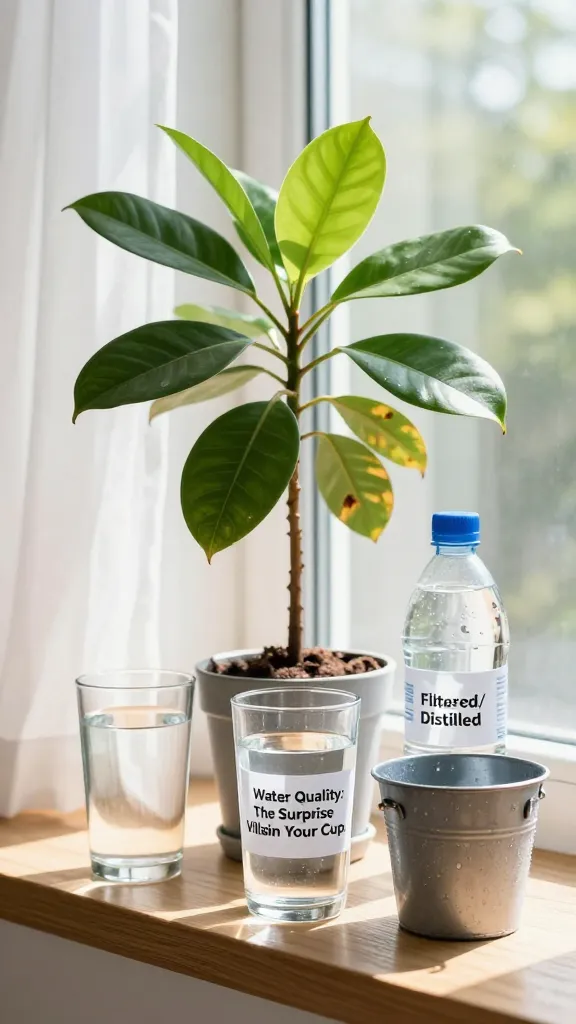
Water isn’t neutral. Chlorine, fluoride, and minerals can stress sensitive plants over time, especially if you rely on tap water straight from the faucet.
Why it matters
Some plants tolerate tap water, but many will show tip burn, leaf curl, or slowed growth when they get exposure to less-than-ideal water chemistry.
What to do
- Let tap water sit overnight to degas chlorine
- Use filtered, distilled, or rainwater when possible
- Water with room-temperature water to avoid shocking roots
Benefits: healthier foliage and more vibrant color, plus less stress for sensitive specimens.
6. Forcing Watering Without Observing the Plant
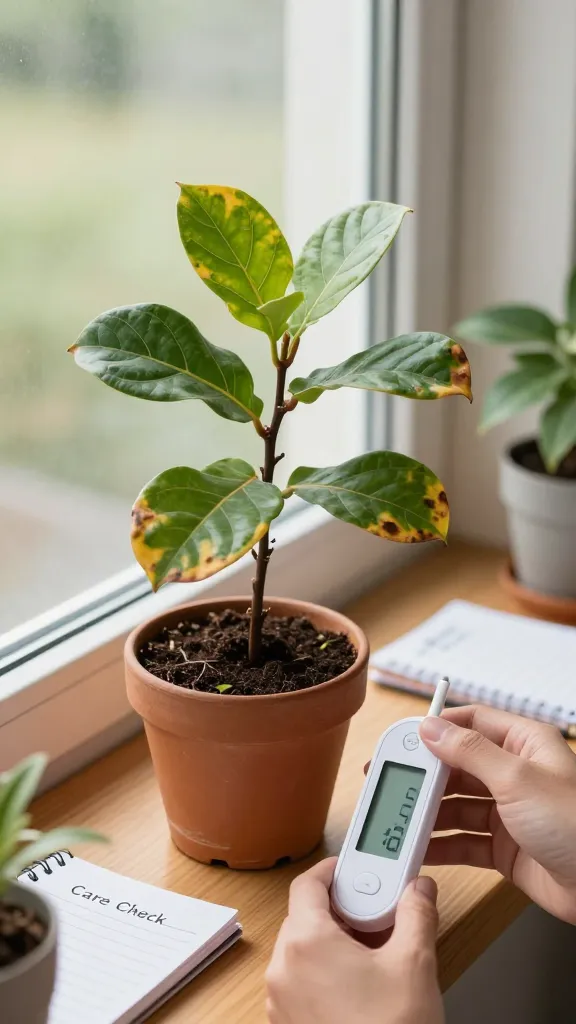
Some of us treat watering like a chore to tick off the list rather than a conversation with a living thing. Plants have moods, and ignoring their signals leads to drama later.
Why it matters
Leaves curling, yellowing, or browning can be cries for water, light, or nutrients. If you skip the cues, you miss the whole point of caring for living things.
What to do
- Spend 1 minute daily checking soil, leaves, and overall vigor
- Use a moisture meter for quick diagnostics if you’re unsure
- Keep a simple plant-care log to spot patterns
Benefits: you’ll spot trouble early, keep plants thriving, and enjoy the satisfaction of a truly healthy green corner.
Want a quick win? Start with one plant you’re forever trimming and test these fixes there. FYI, you’ll notice sharper growth and better-looking leaves in a couple of weeks if you stay consistent. Trust me.
In the end, watering isn’t just about giving plants a drink—it’s a conversation about soil, roots, and environment. Apply these six tips, and your green friends will be happier, thirstier for life, and less dramatic overall.
Ready to put these into action? Grab a timer, check your pots, and enjoy the lush payoff. You’ve got this, plant whisperer!
Discover free printable activities, coloring pages, and learning fun screen-free and perfect for cozy days at home.
Visit FreeKidsHub →Explore More & Elevate Your Home
If you’re dreaming of stylish rooms, warm textures and beautiful details that transform your space, explore our Home Décor.
For soft evenings, slow routines and a home that feels like a warm hug, discover more ideas in Cozy Living.
If you’re ready for less chaos and more calm, find realistic routines and tidy-home solutions inside Organization.
For soft-life habits and everyday routines that feel good, visit our Home Lifestyle.
When you’re in the mood for glow-up projects and creative home upgrades, explore DIY & Makeovers.
And if you want your balcony, terrace or garden to feel just as cozy as your indoors, get inspired in Outdoor Living.