
You’re not messy—you’re just busy. But a few tiny cleaning habits could be quietly sabotaging your sparkling-home dreams. The good news? Tweak these everyday moves and your place will stay cleaner, look better, and feel like a boutique hotel instead of a “Where did this dust come from?” mystery.
1. Spraying Cleaner Directly On Every Surface
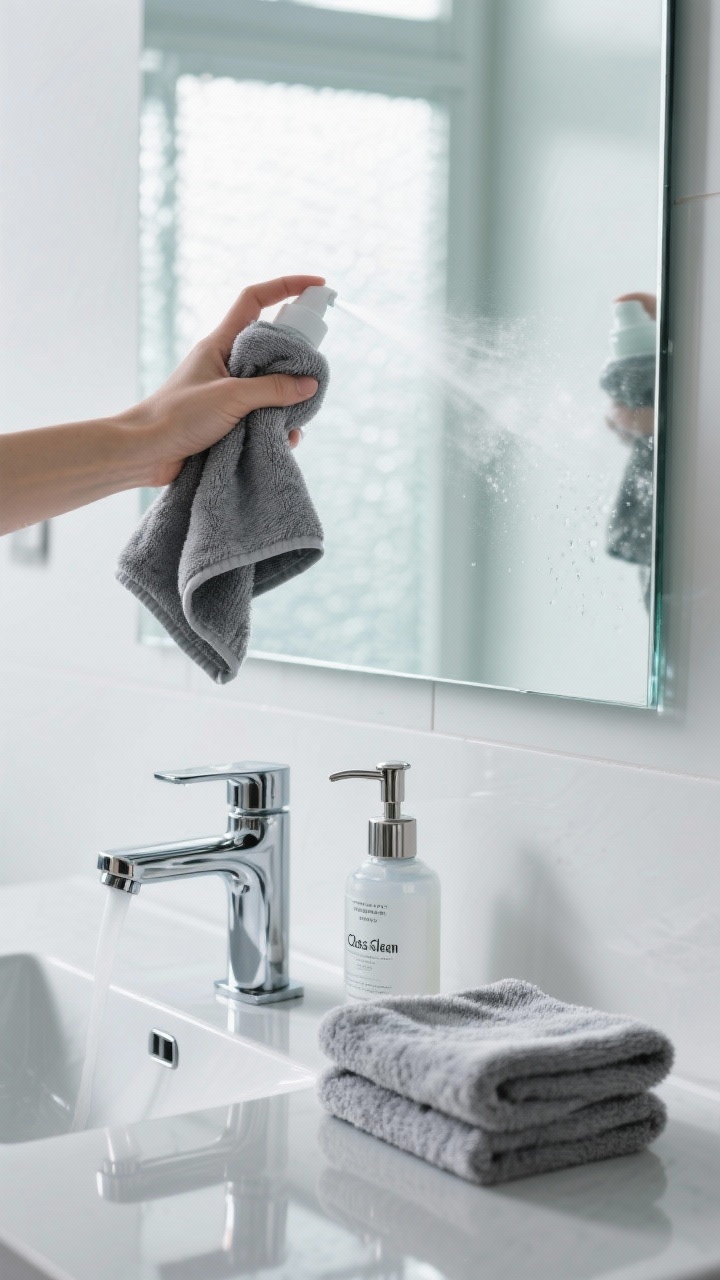
Feels efficient, right? Spray, wipe, done. Except you’re often leaving streaks, film, and even pushing grime around—especially on glass, mirrors, and stainless steel. Plus, too much product means more residue that traps dust. Cute.
Do This Instead
- Mist the cloth, not the surface. A microfiber cloth lightly dampened with cleaner gives you even coverage and fewer streaks.
- Use two cloths. One to clean, one to buff dry. Especially for mirrors and chrome—hello, sparkle.
- Go microfiber for everything. It grabs dust instead of smearing it. FYI: wash them without fabric softener to keep the fibers “grippy.”
Bonus: On electronics, never spray directly. Apply product to the cloth first so you don’t accidentally baptize your remote.
2. Using One Sponge (Forever) For Everything
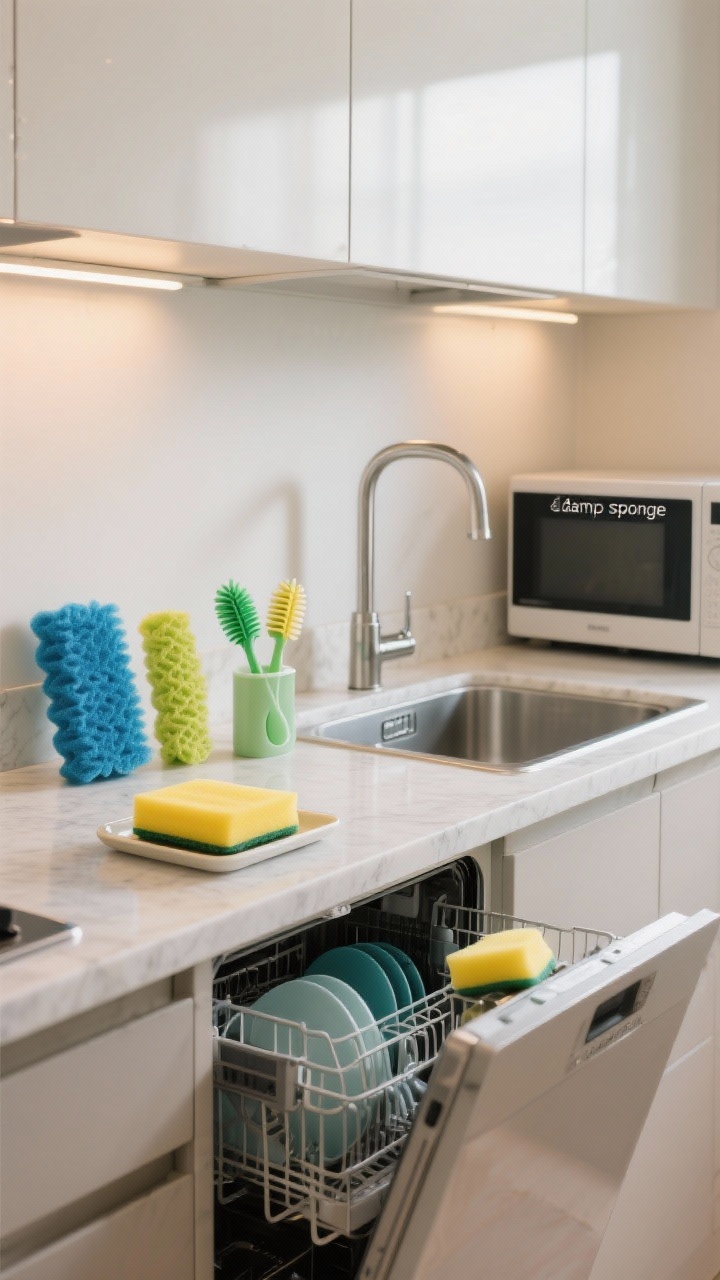
If your sponge has a “personality,” it’s time to let it go. Sponges hang onto bacteria, odors, and last night’s garlic sauce. Using the same one for dishes and counters is basically an open invitation to cross-contamination.
Do This Instead
- Color-code your tools. Blue for dishes, yellow for counters, green for bathrooms. Your future self will thank you.
- Disinfect smartly. Toss sponges in the dishwasher on the top rack or zap damp sponges in the microwave for 60–90 seconds. Replace every 1–2 weeks.
- Try scrub brushes and silicone sponges. They dry faster and harbor less funk.
And please, never use your dish sponge on raw-meat messes. Paper towels or disinfecting wipes are safer and way less gross.
3. Cleaning Floors First (And Then Everything Else)
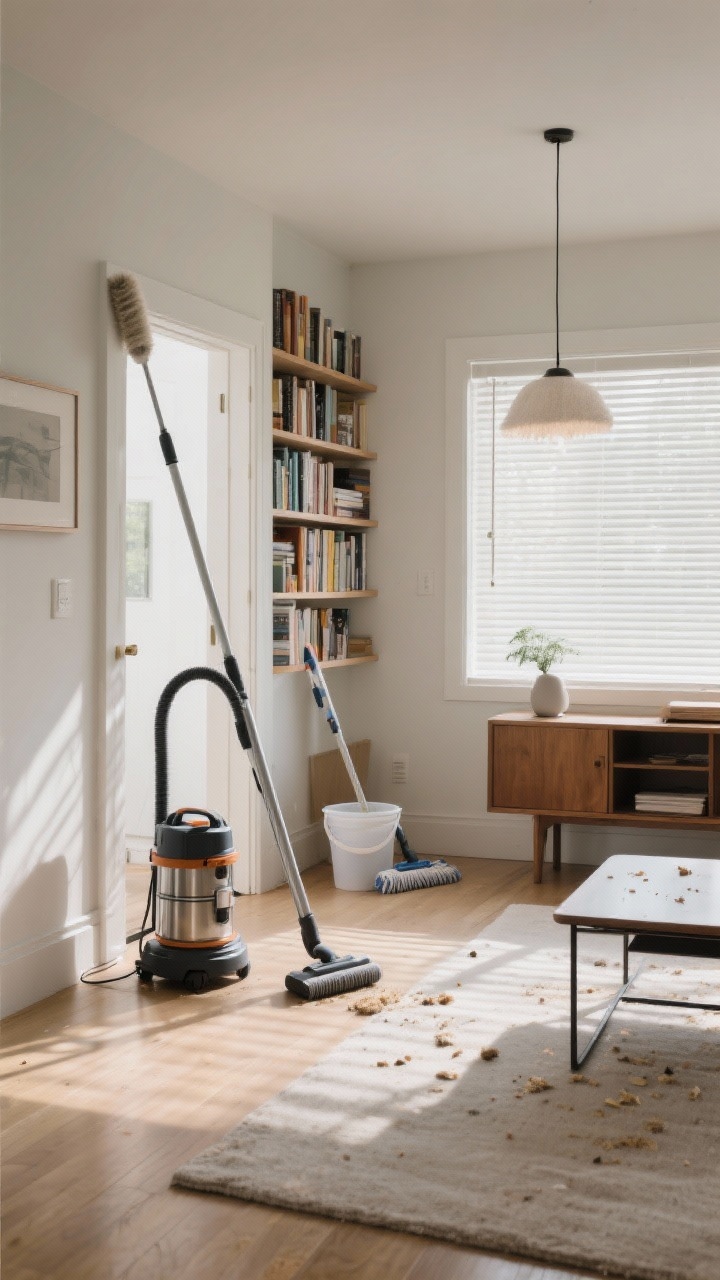
Starting with floors looks satisfying—progress! But then you dust your shelves and watch crumbs and fuzz fall onto your newly mopped masterpiece. It’s a chaos loop.
Do This Instead
- Top-to-bottom rule. Dust high shelves, lighting, frames, and blinds first. Then counters and tables. Then floors.
- Work left to right, room by room. It keeps you focused and prevents rework.
- Vacuum before you mop. You’ll remove gritty dirt that can scratch floors and make mopping faster.
Think of it like makeup: you wouldn’t do lipstick before foundation. Same energy.
4. Overloading The Washing Machine (And Skimping On Maintenance)
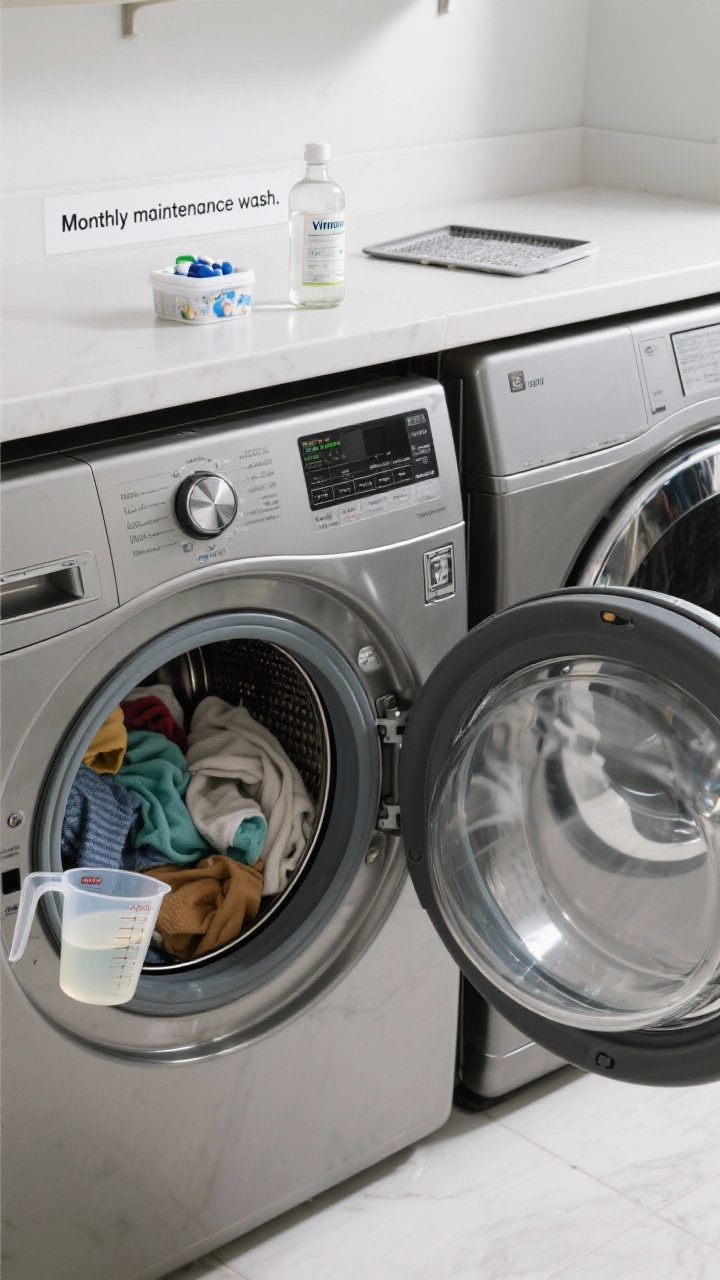
Jamming one more towel in “to save time” actually wastes time. Clothes need water and room to move; otherwise they come out dingy and wrinkled. And if your washer smells swampy, it’s not your imagination.
Do This Instead
- Follow the 3/4 rule. Fill the drum about three-quarters full for regular loads. Bulky items? Go lighter.
- Use less detergent. Too much soap leaves residue that traps odors. Modern machines need less than you think (IMO, try half the recommended amount first).
- Leave the door open after cycles. It helps dry the drum and prevents mildew.
- Monthly maintenance wash. Run a hot cycle with cleaning tablets or white vinegar to keep the machine fresh.
Also, clean the dryer lint trap every time. It’s not optional—it’s safety, efficiency, and fluffiness in one swipe.
5. Ignoring High-Touch, High-Style Spots
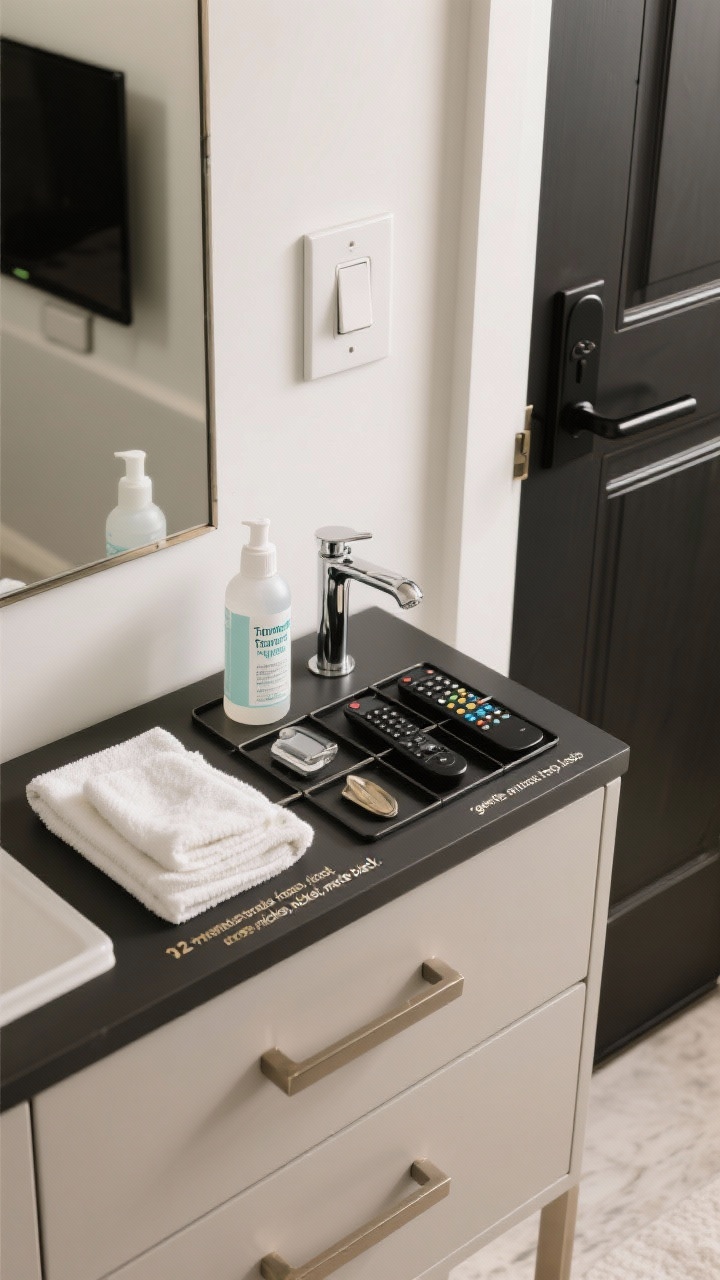
You wipe the counters but skip the cabinet pulls, light switches, remotes, and faucet handles. Those tiny, pretty details? They add up to the overall vibe. Dirty handles on a spotless kitchen scream “almost.”
Do This Instead
- Create a 2-minute touchpoint loop. Once a day, wipe these with a damp microfiber cloth and a mild cleaner:
- Door handles and cabinet pulls
- Light switches and remotes
- Faucet handles and soap pumps
- Appliance handles (fridge, oven, dishwasher)
- Use gentle products on finishes. Harsh chemicals can dull brass, nickel, and matte black hardware. Read labels.
It’s the design equivalent of good brows: subtle, but the whole room looks more polished.
6. Forgetting To Clean Your Cleaning Tools
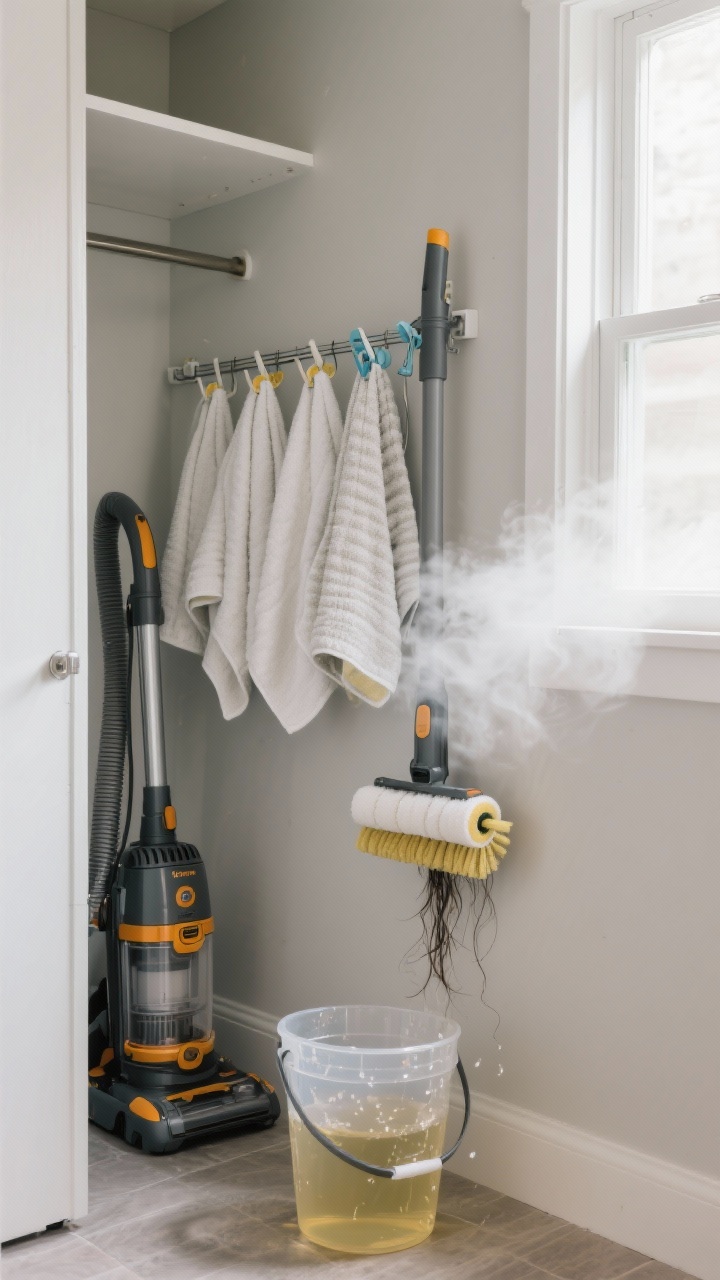
You’re not lazy—you’re just trusting your vacuum way too much. Clogged filters, funky mop heads, and dusty brushes can’t clean well (shocking!) and sometimes spray more dirt around than they pick up.
Do This Instead
- Vacuum TLC. Empty the canister, wash or replace filters per the manual, and cut hair off the roller brush monthly.
- Mop head refresh. Toss washable mop heads in the laundry. For sponge mops, soak in hot water with a bit of vinegar after use, then air-dry.
- Dusting gear check. Wash microfiber cloths together, no fabric softener. Replace feather dusters with microfiber wands that actually trap dust.
Think of it as cleaning your glam squad so your glam squad can clean you. Meta, but it works.
7. Using The Wrong Product For The Surface
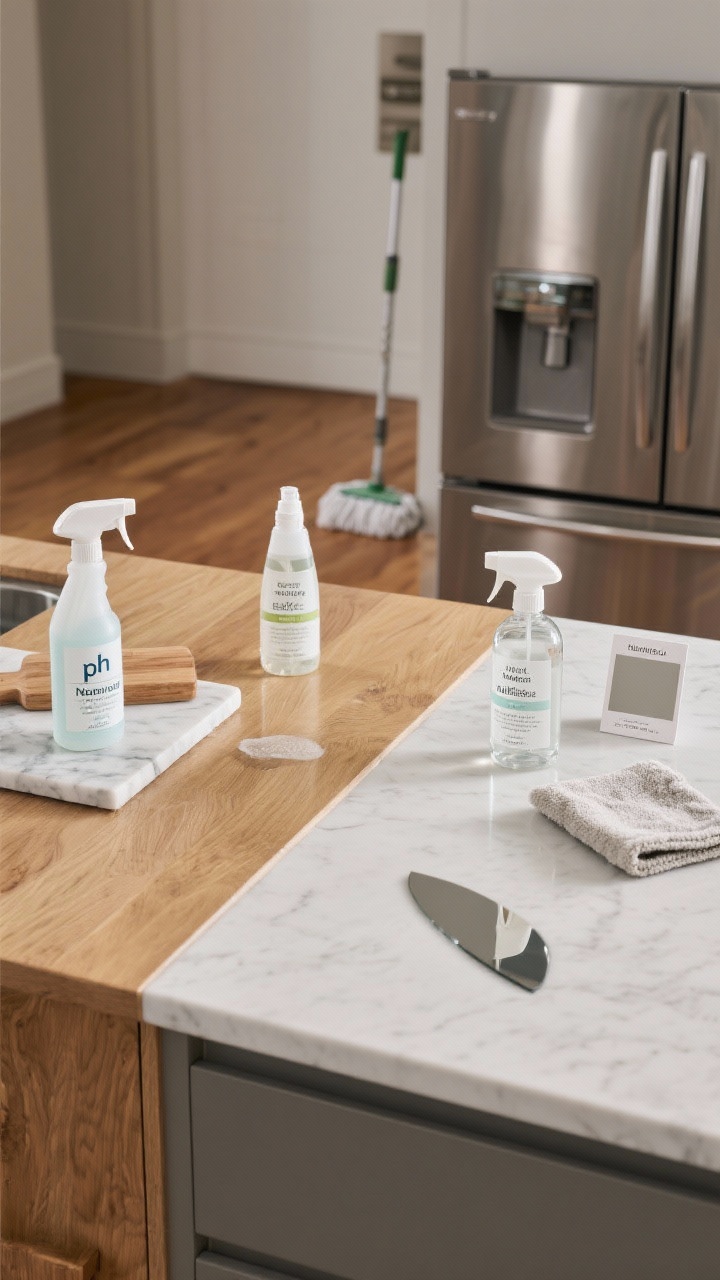
All-purpose cleaner is not actually “all.” Stone counters, marble tables, wood floors, and matte paint have big feelings about harsh chemicals and abrasives. Use the wrong stuff and you’ll etch, strip, or dull your finishes—aka house-sadness.
Matchmaker, Matchmaker
- Stone and marble: Use pH-neutral stone cleaner or just warm water and a little dish soap. Avoid vinegar and acids.
- Wood floors and furniture: Skip steam and heavy water. Use wood-safe cleaners and a barely damp mop. Dry immediately.
- Stainless steel: Go with a dedicated stainless cleaner or a drop of dish soap and water, then buff with a dry microfiber cloth.
- Matte or eggshell paint: Gentle, non-abrasive cleaners. Test in a hidden spot first.
- Glass and mirrors: Alcohol-based cleaner or diluted vinegar; use a lint-free cloth and buff to finish.
When in doubt, check the manufacturer’s care instructions. It’s like reading care tags—boring, but less expensive than replacing a countertop.
8. Treating Clutter Like It’s “Tomorrow You’s” Problem

No judgment, but clutter is dust’s best friend. Every extra item on a surface creates more to clean and more places for grime to settle. If cleaning feels endless, it’s usually a clutter issue in disguise.
Quick Declutter Habits
- The 60-second rule. If it takes a minute or less—return the shoes, hang the bag, fold the throw—just do it now.
- Surface reset. Each night, clear coffee tables, entry tables, and nightstands. Wipe, then put back only the essentials.
- Pretty bins are your friends. Corral remotes, chargers, and kid stuff in lidded baskets. Out of sight = visually tidy.
- One-in, one-out. For decor and textiles, rotate seasonally and store the extras. Your rooms will breathe.
Clutter-free surfaces make your styling shine—trays look chic, vases pop, and your space reads “intentional” instead of “overwhelmed.”
Mini Routines That Keep Everything Cute
- Morning: Open curtains, make the bed, quick bathroom wipe-down.
- Evening: 5-minute counter sweep, dishes loaded, living room reset.
- Weekly: Floors, dust, bathroom deep clean, fresh towels. FYI: Put it on your calendar—it actually helps.
That’s it—the tiny tweaks with big payoff. Your home will look cleaner, your finishes will last longer, and your decor will finally get the spotlight it deserves. Pick one or two changes today and watch the whole vibe of your space upgrade—fast.
Explore More & Elevate Your Home
If you’re dreaming of stylish rooms, warm textures and beautiful details that transform your space, explore our Home Décor.
For soft evenings, slow routines and a home that feels like a warm hug, discover more ideas in Cozy Living.
If you’re ready for less chaos and more calm, find realistic routines and tidy-home solutions inside Organization.
For soft-life habits and everyday routines that feel good, visit our Home Lifestyle.
When you’re in the mood for glow-up projects and creative home upgrades, explore DIY & Makeovers.
And if you want your balcony, terrace or garden to feel just as cozy as your indoors, get inspired in Outdoor Living.