
Want to protect your home without dumping chemicals all over it? These seven natural strategies are simple, budget-friendly, and surprisingly effective. Read on and say goodbye to buzzing roommates at the window.
1. Sweeten Your Soil, Don’t Invite Pests

Healthy plants repel pests better than chemical traps. When your soil is thriving, bugs stay away and your greenery stays happy. It’s a win-win, plus you’ll feel like a gardening wizard.
Why it works
Pests love weak plants and nutrient-poor soil. Rich compost and smart mulch boost plant vigor, making your garden a tough target.
- Apply a 2–3 inch mulch layer to conserve moisture and deter creeping insects.
- Top-dress with compost tea or slow-release organic fertilizer in spring.
- Mulch with cedar, pine, or citrus-scented materials to create an aroma barrier.
Benefits: healthier plants, fewer invasions, and a garden that practically repels trouble. Use during planting season or when you notice plant stress.
2. Plant Defensive Aromas: Herbs That Boss Around Bugs
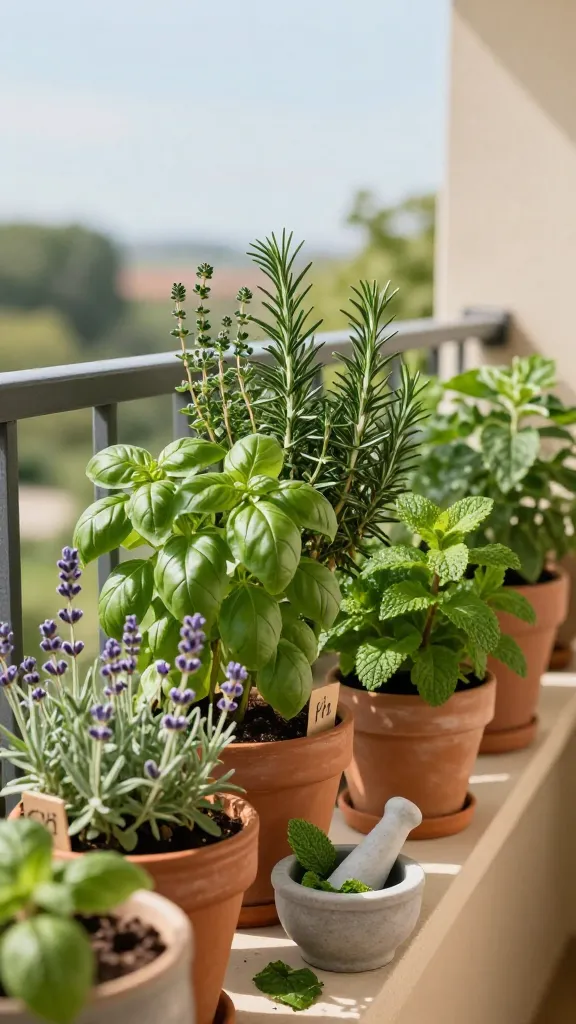
Some scents are pests’ kryptonite. Planting a defensive lineup around your yard or balcony can create a natural barrier that’s both pretty and practical. Seriously, your herbs can do the hard work for you.
Best offenders to plant
- Basil, rosemary, and thyme for general bug deterrence
- Peppermint and spearmint to confuse ants and spiders
- Lavender and citronella for flying insects
Tips: place containers near entry points and along pathways. FYI, crush a leaf or two to release stronger essential oils when you spot activity. Benefits: fragrant, functional borders that keep pests at bay and add flavor to your kitchen.
3. Seal the Gaps: Tiny Openings, Big Trouble for Pests
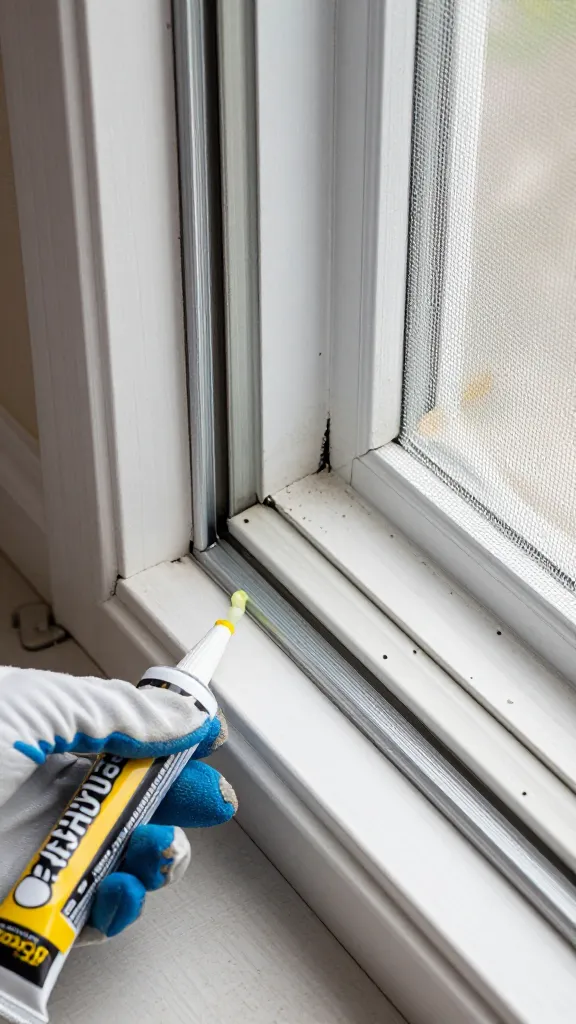
Most pests zoom inside because of small gaps and cracks. You’ll be amazed how much you can cut down with a quick sweep, a bit of caulk, and some weatherstripping. It’s like giving your home a SPF for bugs.
What to check
- Door sweeps and frame gaps
- Window seals and cracked screens
- Utility penetrations (pipes and wires under sinks, behind appliances)
How to fix: seal, weatherstrip, and install fine-mesh screens. Benefits: fewer invaders and lower energy bills because you’re locking out drafts and pests alike. Use when you notice a constant breeze or sudden insect sightings.
4. The Power of Diatomaceous Earth (DE) for a Gentle But Tough Defense
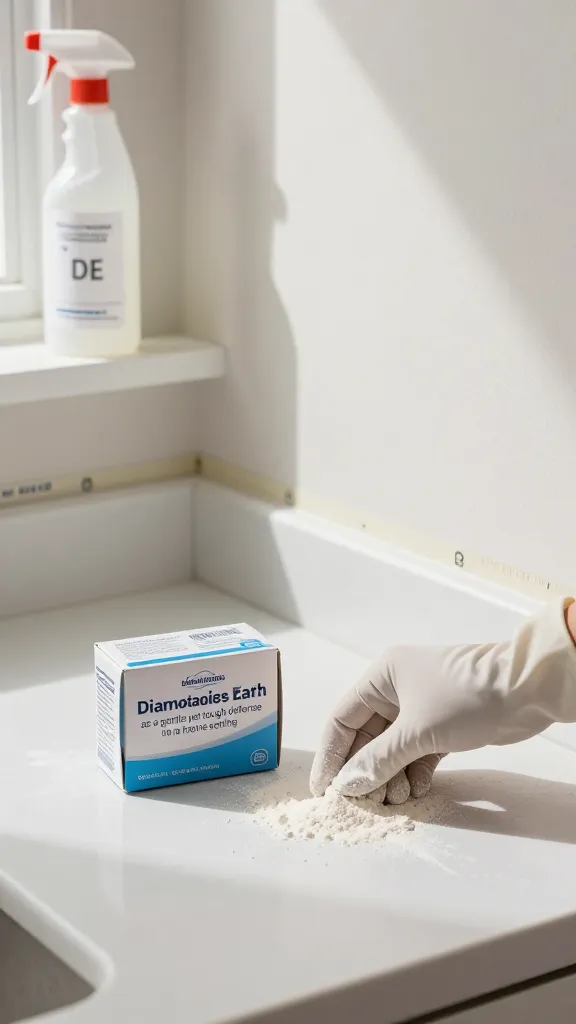
DE is basically fossilized micro-sharp glass that ruffles insect exoskeletons. It’s not glamorous, but it’s incredibly effective when used correctly. FYI, avoid inhaling the powder—protect your lungs and apply with a mask.
How to use
- Sprinkle a thin, dry layer along baseboards, under sinks, and around entry points
- Reapply after rain or heavy humidity to maintain efficacy
- Keep away from pantry foods to avoid accidental contamination
Benefits: kills a broad range of crawling insects without chemicals, and it’s budget-friendly. Use when you see ants, fleas, or cockroaches as a preventive layer or after an infestation is spotted.
5. Moisture Mastery: Dry Beats Damp, Damp Beats Pests
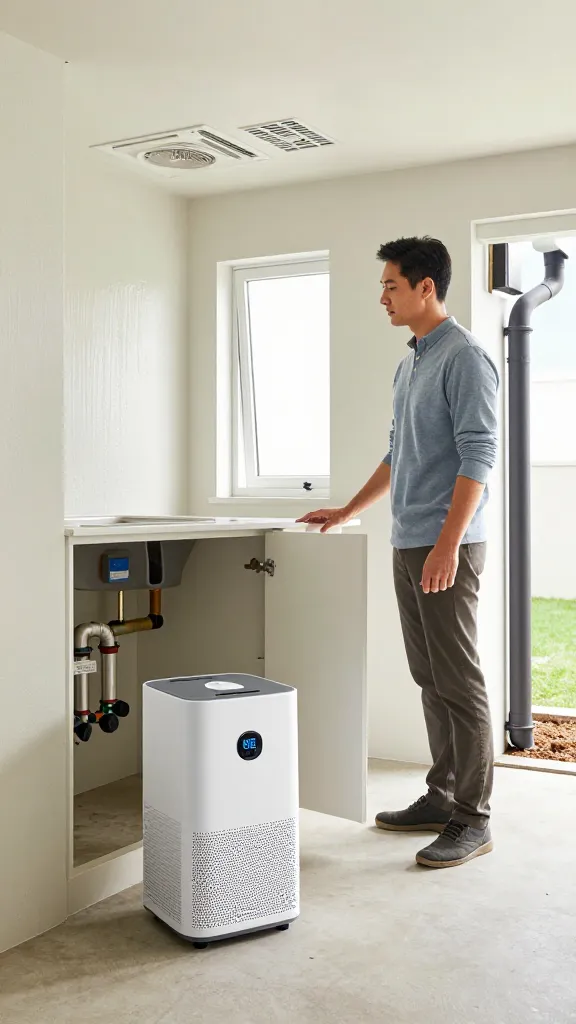
Many pests thrive where water lingers. Reducing moisture around your home forces them to find easier targets elsewhere. It’s not glamorous, but it works with zero drama.
Smart moves
- Fix leaks and improve ventilation in kitchens, bathrooms, and basements
- Use dehumidifiers in damp spaces
- Keep gutters clean and ensure proper drainage away from the house
Benefit: less mold, fewer gnasty invaders, and a more comfortable living space. Use continuously, especially in humid seasons or after heavy rainfall.
6. Safe Scents and Traps: Essential Oils and Captured Critters
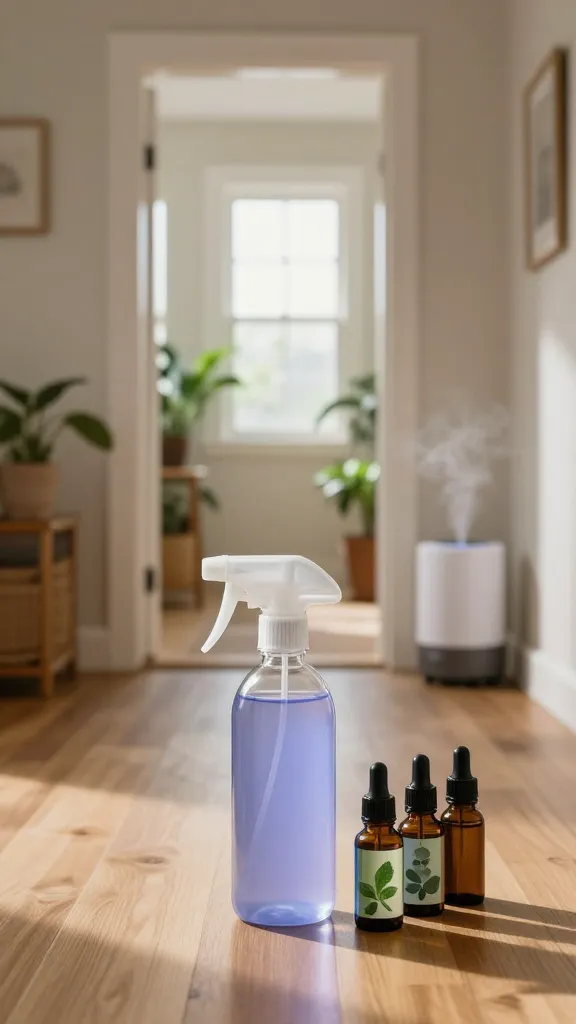
Essential oils aren’t just about aromatherapy; they can deter pests when used properly. A light, periodic spray or diffuser mix can create a pest-unfriendly aura around your home. Trust me, your nose will thank you too.
Simple blends
- Water + a few drops of peppermint or eucalyptus oil in a spray bottle
- Tea tree oil diluted in water for a mild barrier around entry points
- Lavender oil near doors and windows to deter moths and flies
Application tips: spray on baseboards, under sinks, and along window sills. Benefits: chemical-free discouragement with a pleasant scent rather than an overpowering stink. Use as part of a regular routine or when you notice activity.
7. Trap Smart, Not Scrap: Humane, Low-Cost Solutions
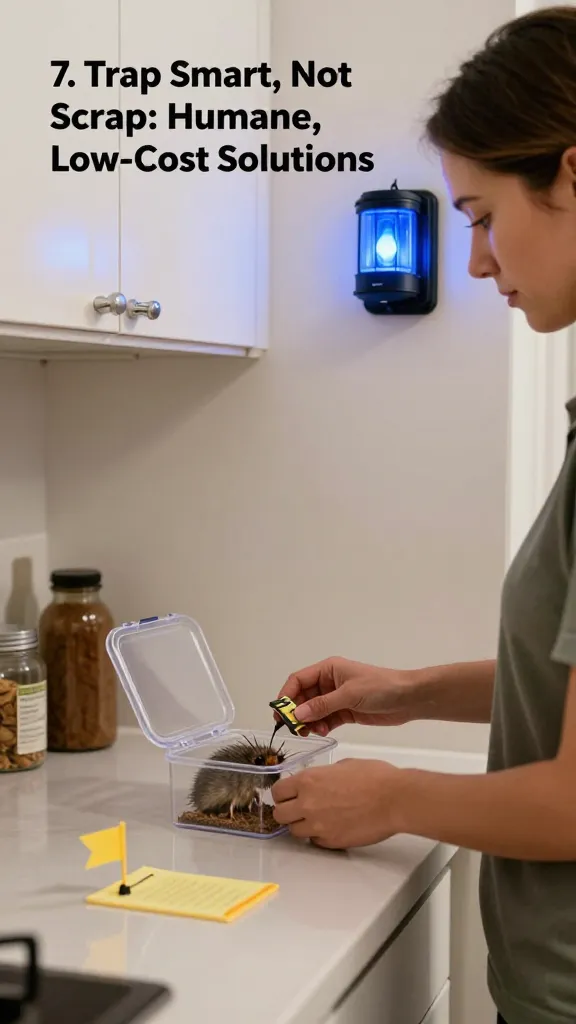
Traps can be kind to the ecosystem if you choose humane options. You’ll catch the offenders without creating a trap for pets or wildlife, and you won’t feel guilty about your science project on pests.
Effective options
- Sticky traps placed away from food areas for crawling insects
- Light traps with UV attractants in non-food zones
- Humane catch-and-release containers for larger intruders
Notes: check traps regularly, avoid stairs and hallways with pets, and reset as needed. Benefits: quick removal, ongoing monitoring, and a sense of control without nasty chemicals. Use when you notice recurring intrusions or after a plant screening shows pests).
Ready to put these into action? Each technique stacks nicely with the others, boosting your arsenal without turning your home into a chemistry lab. Remember, consistency is key—pests don’t quit in a day, but steady habits win the war. FYI, the best results come from combining several methods rather than relying on a single trick.
Give these a try and tell me which one surprised you the most. Seriously, you might discover your new favorite pest-prevention routine—and your home will thank you with fewer unwelcome guests and more peace of mind.
Discover free printable activities, coloring pages, and learning fun screen-free and perfect for cozy days at home.
Visit FreeKidsHub →Explore More & Elevate Your Home
If you’re dreaming of stylish rooms, warm textures and beautiful details that transform your space, explore our Home Décor.
For soft evenings, slow routines and a home that feels like a warm hug, discover more ideas in Cozy Living.
If you’re ready for less chaos and more calm, find realistic routines and tidy-home solutions inside Organization.
For soft-life habits and everyday routines that feel good, visit our Home Lifestyle.
When you’re in the mood for glow-up projects and creative home upgrades, explore DIY & Makeovers.
And if you want your balcony, terrace or garden to feel just as cozy as your indoors, get inspired in Outdoor Living.