
Ready to turn every month into a green win? These bite-sized tasks keep your garden thriving without the overwhelm. FYI, you’ll feel like a seasonal superhero by month two.
1. Map Your Planting Calendar Like a Pro
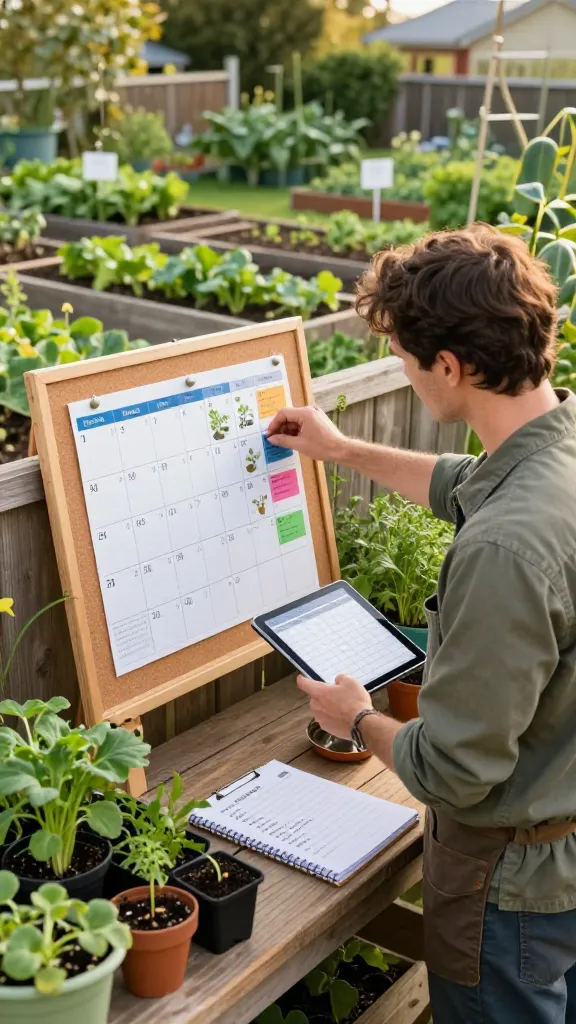
Jumpstart each month with a quick plan. A simple calendar helps you track flushes of growth, bloom times, and succession planting.
Key Points
- Mark frost dates and last-minute frost alerts
- Note when to sow, transplant, or prune
- Track crop rotations to avoid soil fatigue
Having a plan means fewer surprises and more harvests. When you know what’s coming, you can hustle smarter, not harder.
2. Inspect and Refresh Your Soil Health
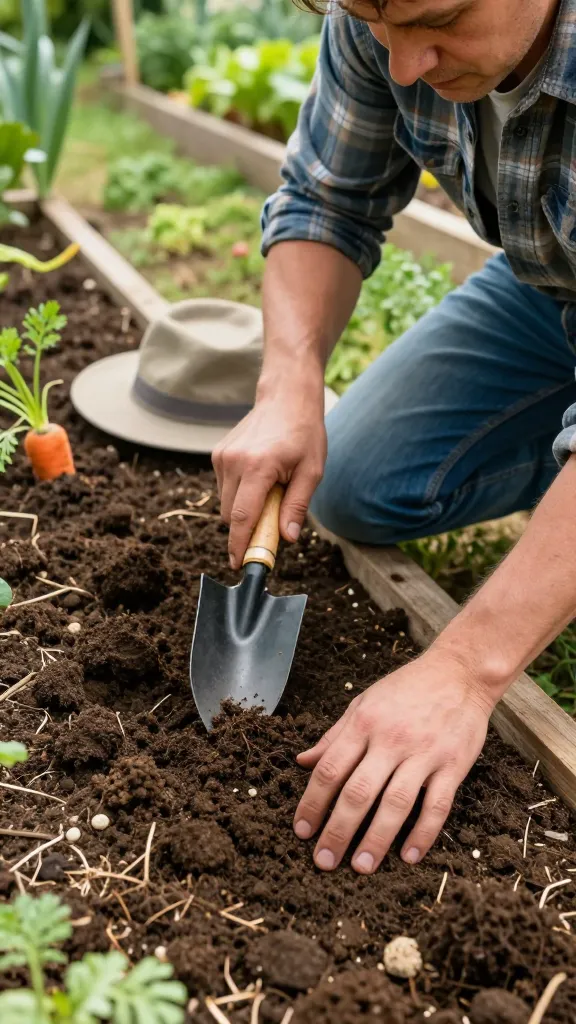
Your soil is the backbone of every garden win. A quick monthly check helps you catch issues before they snowball.
Soil health = happier plants, period. Do a quick hand-dig to feel texture, moisture, and smell. If it’s crusty or soggy, adjust with mulch or aeration.
Tips
- Top-dress with compost or well-rotted manure
- Aerate lightly in dense beds
- Test a small patch if you’re unsure about pH
Benefits pop up as roots drink up nutrients and water more evenly. Your veggies will thank you with better yields.
3. Prune and Shape for Strong Structure
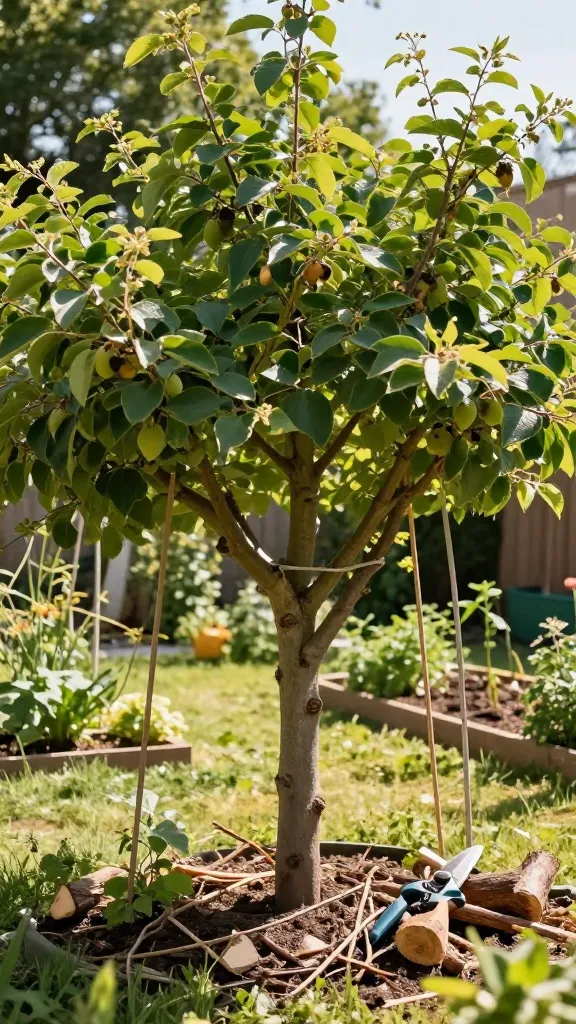
Pruning isn’t just for aesthetics; it guides airflow, sun exposure, and plant vigor. Do a little trim every month to keep things tidy.
Pick a focus: fruiting cuts, shade pruning, or deadwood removal. Don’t overdo it—tiny trims beat big overhauls.
What to Do
- Remove dead or crossing branches
- Thin crowded growth to improve light
- Support floppy stems with rings or stakes
End result: healthier plants, fewer pests, and less disease drama. Trust me, the difference is real.
4. Water Smart: Deep, Less Often
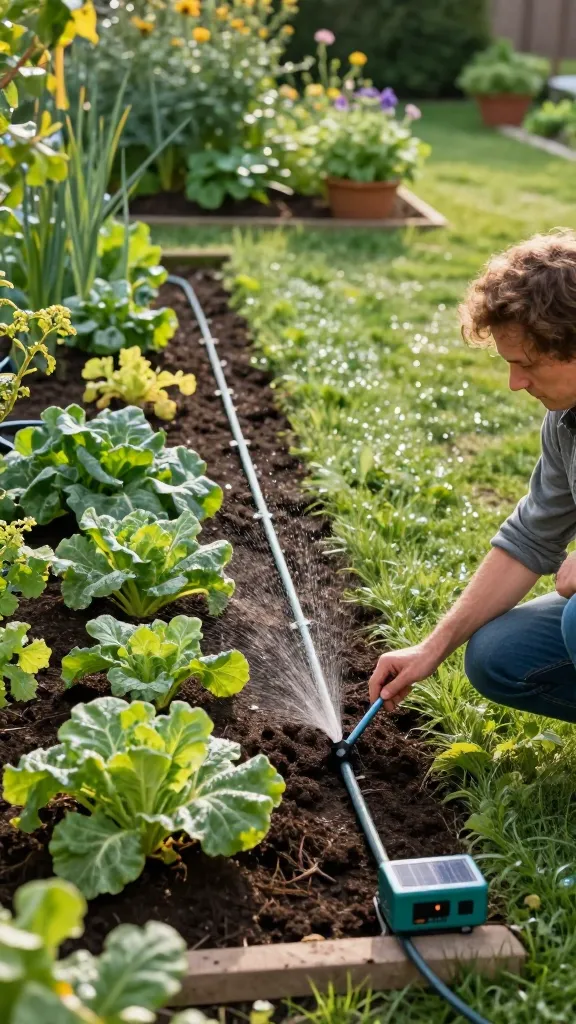
Watering is a vibe. Deep, infrequent watering trains roots to dive down, not shallowly sip the surface.
Set up a drip line or soaker hose if you can. It saves water and delivers it right where roots drink.
Basic Approach
- Water early morning if possible
- Target established beds first, then planters
- Check soil moisture a few inches down
Better hydration means stronger plants and less weed growth in the long run. Seriously, your garden drinks will thank you.
5. Grow and Swap Savings: Seed Saving and Exchanges
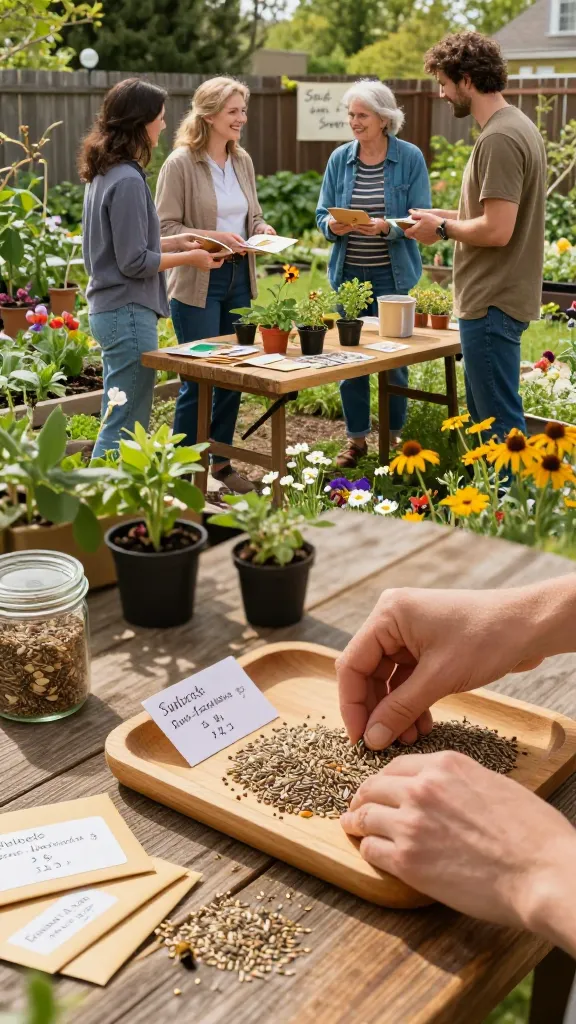
Monthly is perfect for seed-saving notes and swapping with neighbors. It keeps your garden diverse and budget-friendly.
Save a few seeds from your best performers, label clearly, and store them properly.
Mini Guide
- Harvest only from healthy plants
- Dry thoroughly before storage
- Label with variety and date
Share or swap extras and watch your pollinator buddies visit more often. It’s community gardening, but cooler.
6. Feather Your Weeds into Shape (Yes, Really)
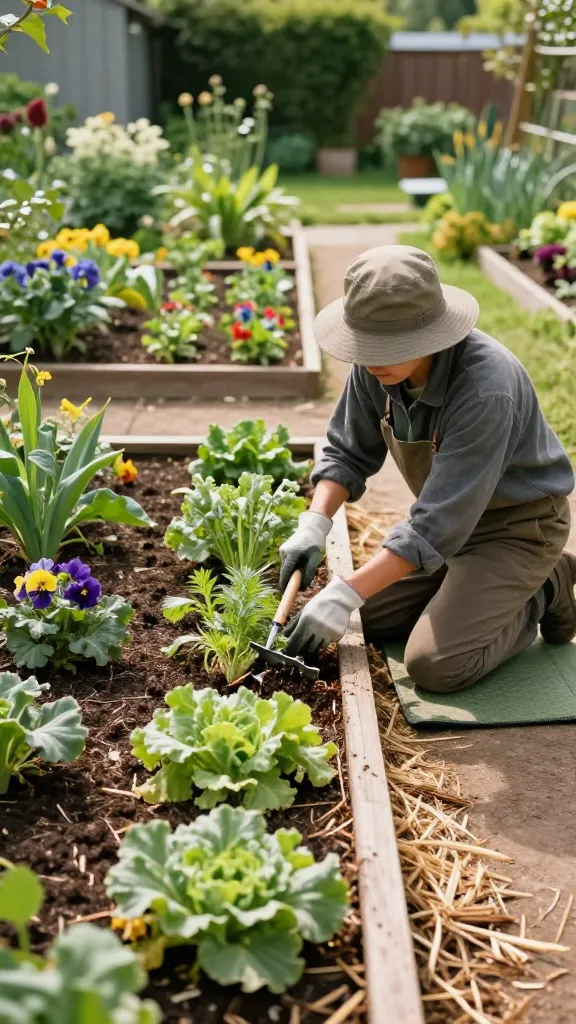
Weeds happen, but monthly weeding keeps them from taking over. Short sessions beat marathon chaos.
Target paths, bed edges, and around mulch rings. Mulch after weeding to curb new sprouts.
Quick Wins
- Use a hand weeder for delicate beds
- Mulch with straw, compost, or leaves
- Inspect mulch depth and refresh as needed
Less competition means your veggies and flowers will shine. It’s the tiny effort that compounds beautifully.
7. Feed with Purpose: Fertilize and Amend
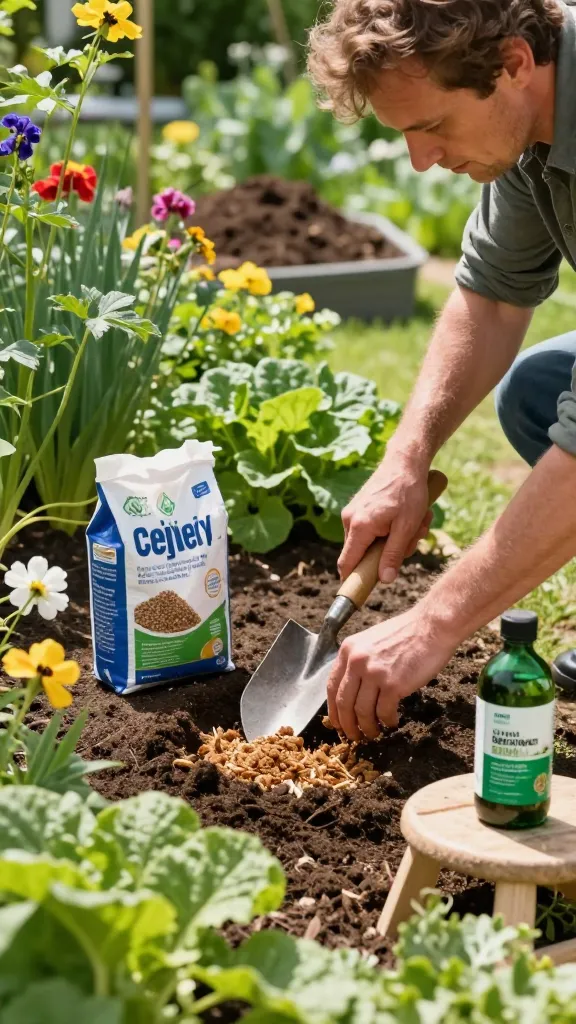
Regular, targeted feeding keeps nutrient levels steady. You don’t want feast-or-famine in your beds.
Choose a balanced mix for most beds, adjust for crops with heavy feeders, and top-dress with compost after harvests.
What to Use
- Balanced granular or liquid fertilizer
- Compost or worm castings
- Seaweed extract for a nutrient boost
When you feed thoughtfully, you’ll see brighter foliage, more blossoms, and tastier harvests. Easy wins, IMO.
8. Scout for Pests and Beneficials
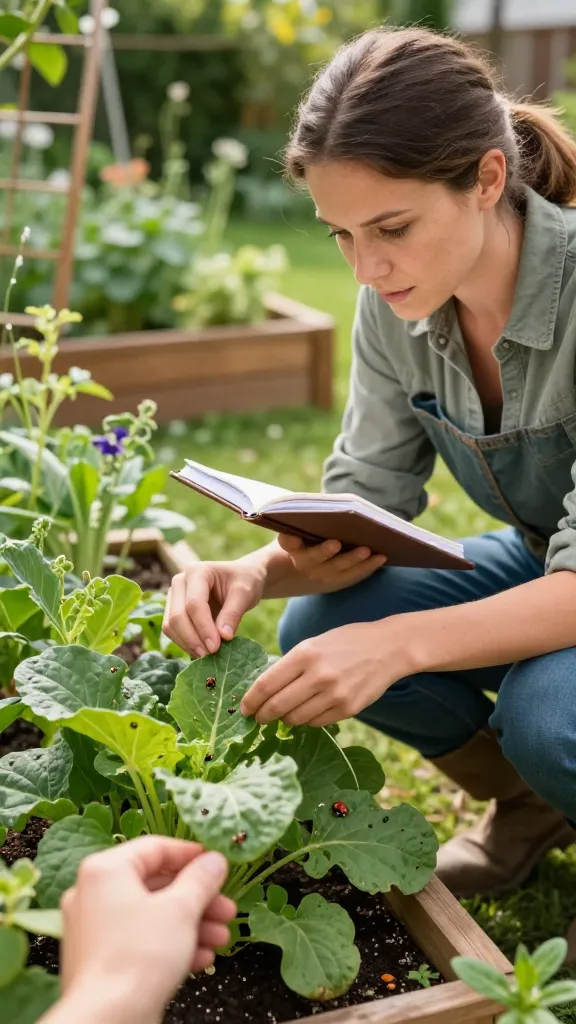
Monthly pest checks save you from big solve-it-later headaches. Catch problems early and encourage helpers like ladybugs and parasitic wasps.
Keep a quick tally of what you see and balance interventions with natural solutions.
Action Plan
- Hand-pick obvious pests
- Introduce beneficial insects where feasible
- Use organic sprays only when necessary and target specifically
Early detection = fewer foliar casualties and healthier crops. You’ve got this, guardian of the garden.
9. Refresh Paths and Edges for Clean Parking
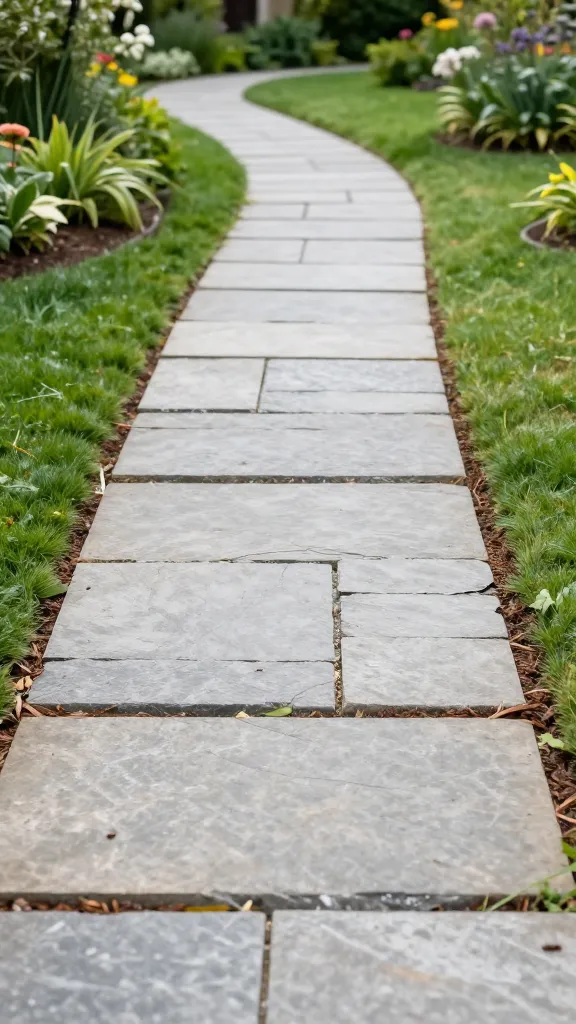
Paths and edges frame your garden and keep feet clean. A monthly refresh makes your space feel brand-new and easy to navigate.
Trim grass edges, sweep debris, and repair any cracking stones or bricks.
Simple Steps
- Rake and remove fallen leaves
- Re-level stepping stones if loose
- Reline borders with fresh mulch or edging
Neat paths invite you to stroll, prune, and harvest without tripping over your ambitions. FYI, it’s mood-lifting to see a tidy walkway.
10. Plan Next Month’s Showstopper: Planting and Rotations
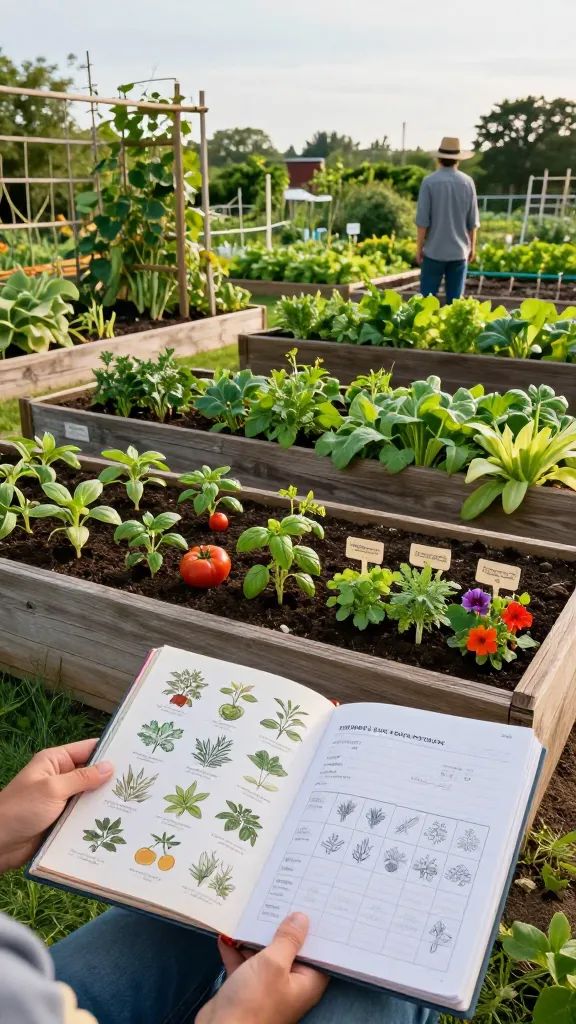
End the month with a forward-looking plan that seeds excitement for what’s next. A little planning now buys big rewards later.
Rotate crops to protect soil health, and slot in new companions that boost flavor and resilience.
Checklist
- Rotate crops to avoid disease buildup
- Pinpoint 3–4 new plant ideas based on season
- Schedule starter seeds indoors if needed
And that’s a wrap for the month. When you stay ahead, your garden grows with you—not against you.
Conclusion: You’ve got a monthly playbook now. Grab a notebook, set reminders, and start checking off tasks with a grin. Your future self will thank you for the calm, thriving garden you’ll be proud of.
Discover free printable activities, coloring pages, and learning fun screen-free and perfect for cozy days at home.
Visit FreeKidsHub →Explore More & Elevate Your Home
If you’re dreaming of stylish rooms, warm textures and beautiful details that transform your space, explore our Home Décor.
For soft evenings, slow routines and a home that feels like a warm hug, discover more ideas in Cozy Living.
If you’re ready for less chaos and more calm, find realistic routines and tidy-home solutions inside Organization.
For soft-life habits and everyday routines that feel good, visit our Home Lifestyle.
When you’re in the mood for glow-up projects and creative home upgrades, explore DIY & Makeovers.
And if you want your balcony, terrace or garden to feel just as cozy as your indoors, get inspired in Outdoor Living.