
From clutter to calm in one breath. Let’s turn your space into a mindful refuge—without turning life into a full-time project. Ready to feel lighter, breathe easier, and actually enjoy your home? Let’s dive in.
1) Start with a 10-Minute Clean Sweep
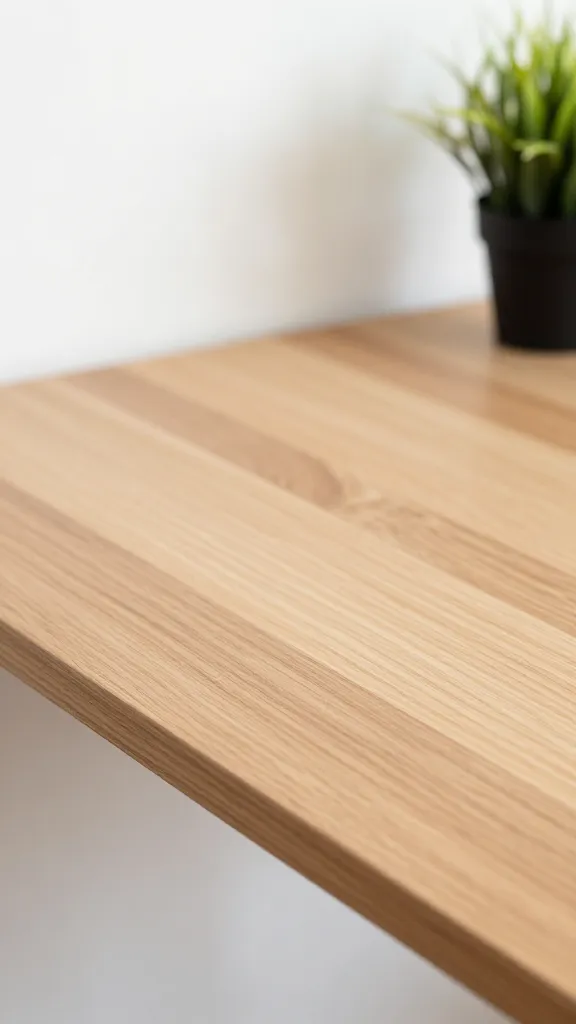
Ever notice how a quick tidy session clears more than just the surface? A little decluttering can reset your brain faster than a coffee refill. Set a timer for 10 minutes and tackle one zone: a shelf, a desk, or a chaotic corner. Put items back where they belong, stash the rest in drawers, and video-game-prototype-test your way to a new layout later if needed.
– Quick questions to guide you:
– Do I still love this item or merely tolerate it?
– Does this belong here, or should it live somewhere else?
– Will I use it in the next six months?
FYI: You don’t have to be a minimalist to gain clarity. It’s about making space for what truly matters.
2) Let Light Lead the Mood

Light is like the unspoken mood-setter of a home. Bright, natural light lifts spirits; warm bulbs cozy a late-night read. If you’ve got windows, pull back those curtains and let the sun do its thing. If you don’t, swap in bulbs that mimic natural daylight, and layer with lamps for a softer glow.
– Pro tips:
– Use blackout curtains for mornings when you need to reset your bedtime rhythm.
– Place a lamp on a timer to ease you into evenings without the glare of overhead LEDs.
– Consider a few candles or a safe LED option for ambiance during downtime.
Ask yourself: does the lighting encourage focus, relaxation, or both at different times of day?
3) Create a “Mindful Zone” for Focus and Rest

Your home probably has multiple personalities: kitchen hero, living-room lounge, and the chaotic “misc room.” Designate one area as your mindful zone. This is where you pause, breathe, and reset whenever life gets loud.
– How to craft it:
– Remove distractions: mute notifications, tuck away clutter, and keep a single focused task in mind.
– Add a simple ritual: a plant, a favorite candle, or a small statue you find calming.
– Choose your tools: a journal, a book, a meditation app, or just silence.
If you’re not sure where to start, pick the corner that feels most chaotic and reclaim it first. Small wins add up fast.
4) Bring Nature Inside—Even if It’s Tiny

Humans are wired to respond to nature, and you don’t need a full jungle to reap the benefits. Plants, natural textures, and earthy colors can ground a space in seconds.
– Easy plant picks:
– Snake plant, pothos, or ZZ plant for low maintenance
– A single bonsai or small succulent for a touch of calm
– Texture and color ideas:
– Use a jute rug, a linen throw, or a wood grain tray
– Opt for neutral tones with a pop of green or blue to keep things soothing
If you’re not “green-thumbed,” use nature-inspired prints or a water fountain sim to achieve the vibe without extra upkeep. Do you crave a forest or a sea breeze vibe? Pick accordingly and lean into it.
5) Make Your Kitchen a Mindful All-Star
The kitchen is where meals become rituals—and rituals create mindfulness. A few deliberate habits can transform cooking from a rushed chore to a sensory celebration.
– Simple practices:
– Start with a well-organized space: utensils in easy reach, ingredients grouped by use, a clean counter to work on.
– Slow down: chop in steadier breaths, savor aromas, and plate consciously.
– Clean-as-you-go: a tiny habit that saves huge stress later.
– Quick changes that matter:
– A weekly meal plan board or sticky notes for what’s on the menu.
– A dedicated area for recycling and composting to keep mess out of sight and mind.
Food becomes a mindfulness practice when you pause to notice textures, smells, and flavors. IMO, that’s where the magic happens.
6) Tech Boundaries that Actually Work
Technology can magnify mindfulness or sabotage it. The trick is setting boundaries that feel sane, not punitive.
– Practical steps:
– Create tech-free zones or times—especially in bedrooms and dining areas.
– Use simple routines like “no screens 30 minutes before bed.”
– Keep devices out of sight during meals to reclaim conversations and presence.
– Quick wins:
– A charging station in a box or basket so cords aren’t a visual doodle in the room.
– A digital-free shelf for books, notebooks, and a cozy lamp.
Ask yourself: do my devices serve me here, or do they steal the moment? If it’s the latter, it’s time for a reset.
7) Routines That Respect Your Energy
Routines aren’t jail sentences; they’re gentle scaffolds that keep life from spiraling. Build routines around your energy patterns, not against them.
– Morning vibe:
– Hydrate, stretch, and a 5-minute intention-setting moment.
– Open a window for fresh air and a tiny reset to start the day.
– Evening wind-down:
– Put away screens, switch to softer lighting, and jot down three things you appreciated today.
– A small ritual like tea, a book, or a brief gratitude list helps signal sleep.
Keep it light. If you miss a day, don’t beat yourself up. The goal is consistency, not perfection.
Subsection: Quick Habit Hacks
– Bundle habits: pair a spill-proof mug of tea with your evening routine.
– Use micro-mockets: five-minute bursts count as wins and keep momentum.
– Visual reminders: a note on the fridge or a sticky on the bathroom mirror.
8) Soundtrack Your Space
Sound shapes mood as surely as color does. A gentle playlist, nature sounds, or white noise can steady nerves and sharpen focus.
– How to tailor sound:
– For focus: choose steady, unobtrusive rhythms without harsh spikes.
– For relaxation: go for slower tempos, soft chords, and a bit of natural ambience.
– Use a timer: 25-minute focus blocks work wonders with a five-minute refresh in between.
– Practical setup:
– One speaker or small Bluetooth setup that you can move around.
– A dedicated place for your favorite sounds, so you don’t hunt for them.
When you control your sound environment, you control a surprisingly big chunk of your mental space. Fancy that.
9) Feather the Walls with Intentional Decor
Decor isn’t just eye candy; it sends signals to your brain about safety, comfort, and belonging. Choose decor that resonates with your values and brings you joy.
– How to pick purposefully:
– Favor items with meaning: travel photos, handmade crafts, or heirlooms.
– Mix textures and stories: a woven blanket, a ceramic piece, a framed quote that makes you smile.
– Keep it functional: art that doubles as a learning spot for kids or a reminder for you (like a simple goals board).
– Maintenance-free touches:
– Rotate a few pieces seasonally to keep things fresh without overhauling the room.
– Use baskets and trays to keep surfaces tidy while maintaining style.
A mindful home isn’t a gallery; it’s a lived-in space that reflects you back when you walk in. That’s the point.
FAQ
What exactly makes a home “mindful”?
A mindful home supports presence, calm, and intention. It’s a space that reduces unnecessary clutter, encourages calm routines, and helps you notice what matters without nagging you to do more, faster.
How long does it take to create a more mindful home?
Depends on how big your space is and how aggressive you want to be with changes. A focused weekend can lay the groundwork, and small, consistent tweaks over weeks will compound into a noticeably calmer vibe.
Can I involve others in the process without turning it into a project?
Absolutely. Make it a collaborative, low-stakes activity. Invite family or roommates to choose one area they care about, set simple ground rules, and celebrate wins together.
What if I don’t have a lot of spare cash for big changes?
Mindfulness isn’t about expensive updates. It’s about mindset and small shifts: decluttering, reorganizing, creating rituals, and adding a few inexpensive natural touches like a plant or new lighting.
How do I keep the mindfulness momentum after the novelty wears off?
Embed micro-habits into daily life. Use reminders, keep a simple gratitude or reflection journal, and routinely reset one corner of your home each week. FYI, consistency beats intensity here.
Conclusion
Transforming your home into a mindful space doesn’t require a major renovation or a full-on lifestyle overhaul. It’s about tiny, intentional choices that compound into daily calm. Start with a quick sweep, let natural light guide you, and carve out a zone where you can pause and reset. Add the plants, set the boundaries with tech, and let routines—and a forgiving sense of humor—steer the ship. Your future self will thank you when you step through the door and feel a little lighter, a lot more present, and ready to enjoy the moment.
Discover free printable activities, coloring pages, and learning fun screen-free and perfect for cozy days at home.
Visit FreeKidsHub →Explore More & Elevate Your Home
If you’re dreaming of stylish rooms, warm textures and beautiful details that transform your space, explore our Home Décor.
For soft evenings, slow routines and a home that feels like a warm hug, discover more ideas in Cozy Living.
If you’re ready for less chaos and more calm, find realistic routines and tidy-home solutions inside Organization.
For soft-life habits and everyday routines that feel good, visit our Home Lifestyle.
When you’re in the mood for glow-up projects and creative home upgrades, explore DIY & Makeovers.
And if you want your balcony, terrace or garden to feel just as cozy as your indoors, get inspired in Outdoor Living.