
Your garden doesn’t need to be Versailles to look like a million bucks. It just needs a few smart moves, a little editing, and a dash of confidence. Ready to turn “meh” shrubs into a scroll-stopping space? Let’s do this.
1. Start With A Signature View (Then Build Around It)
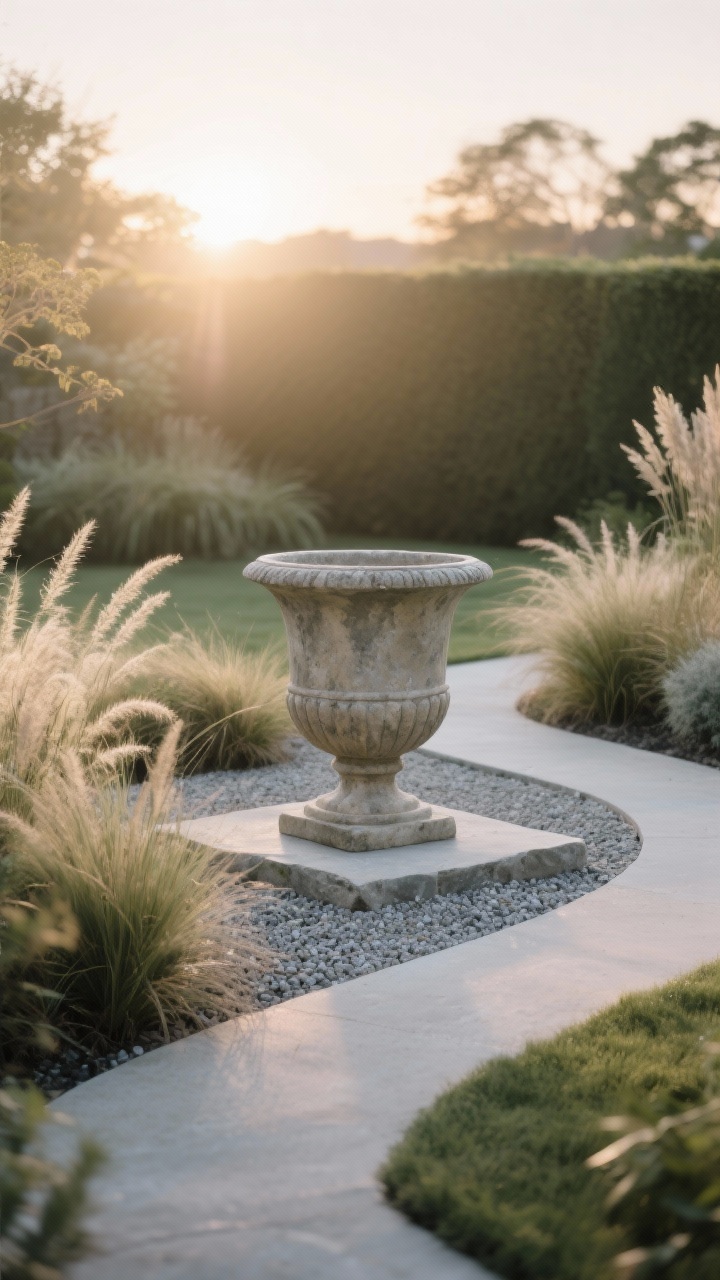
Every gorgeous garden has a moment. A bench framed by grasses. A bird bath catching morning light. That vintage urn you scored for $12 (iconic). Pick one hero feature and let it set the vibe for the whole space.
Once you have your focal point, keep the supporting cast simple so it shines. Think of it like eyeliner: a little goes a long way, and everything else should enhance it, not compete.
Try This:
- Choose one focal piece—a statement pot, water feature, or sculptural tree.
- Frame it with low planting or a path that subtly leads the eye toward it.
- Declutter competing elements within a 6–10 ft radius. Let it breathe.
2. Use The 60-30-10 Color Rule (Yes, It Works Outdoors)
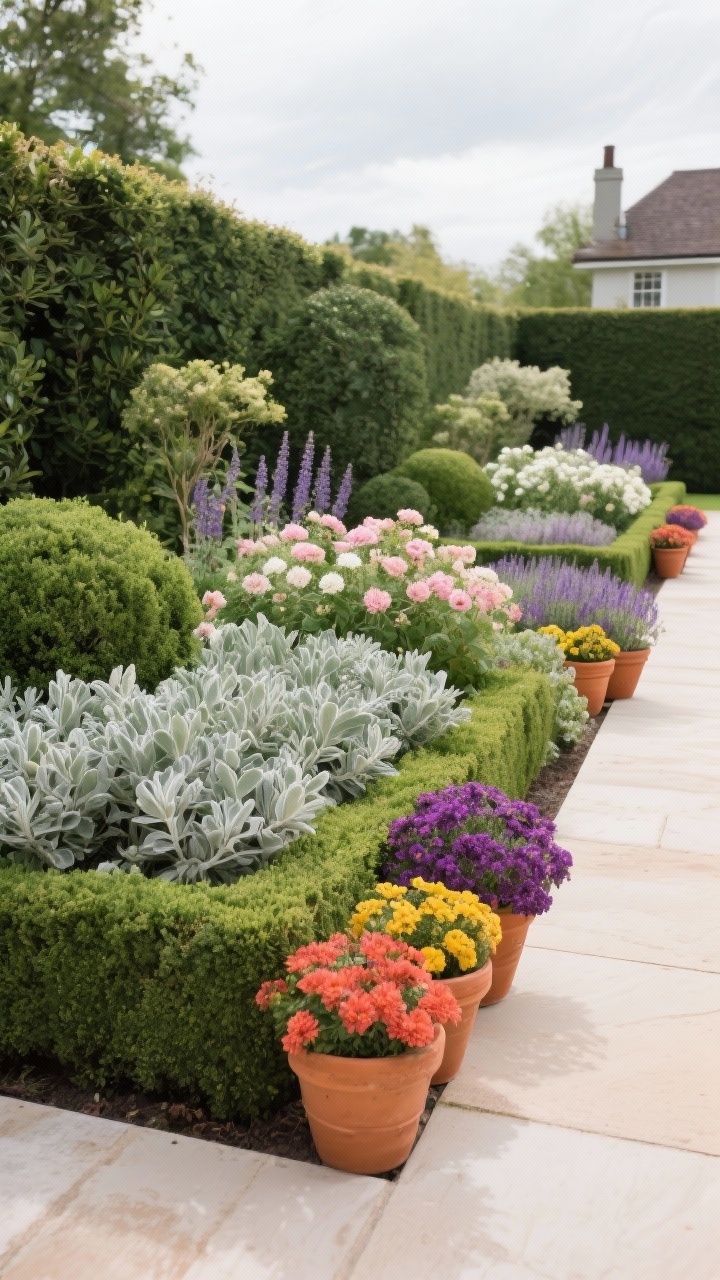
If your flower beds look chaotic, color harmony is your best friend. The 60-30-10 rule keeps things cohesive: 60% of your dominant color (usually foliage green), 30% supporting hues, and 10% pop.
And FYI, repeating colors across the garden makes it feel intentional, not like you panic-bought five random perennials at the nursery. We’ve all been there.
Try This Palette:
- 60%: Lush greens and silvery foliage (boxwood, sage, lamb’s ear).
- 30%: Soft blooms (pale pinks, whites, lavenders) or warm terracotta.
- 10%: Bold accents (hot coral, deep purple, citrus yellow).
3. Layer Heights For That Designer “Depth”
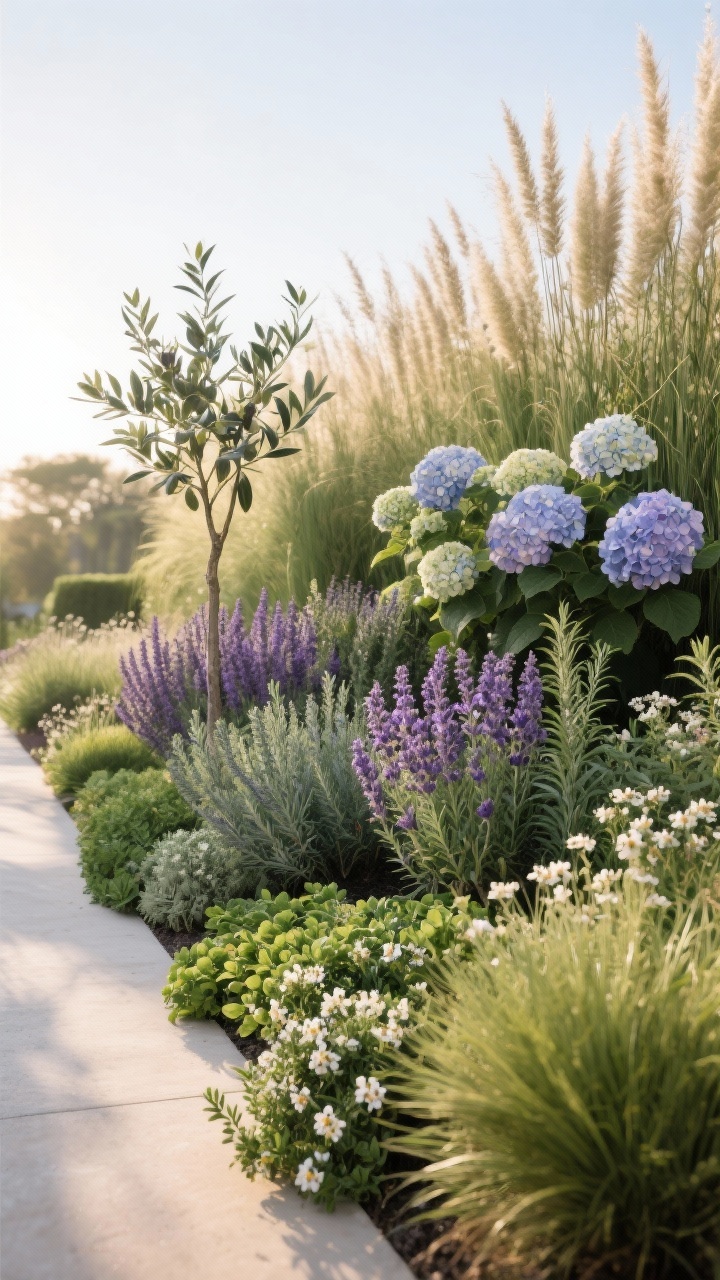
Flat gardens feel… flat. Layering creates depth and drama, even in tiny spaces. Think tall structure in back, medium shrubs in the middle, and low or trailing plants up front.
Repeat those layers along paths and borders to keep the rhythm going. It’s like great hair—volume and dimension do the heavy lifting.
Smart Layering Combos:
- Tall: Ornamental grasses, hydrangeas, olive or maple saplings.
- Medium: Lavender, salvia, rosemary, nandina.
- Low/Edge: Thyme, creeping Jenny, mondo grass, alyssum.
4. Match Your Materials Like You Mean It
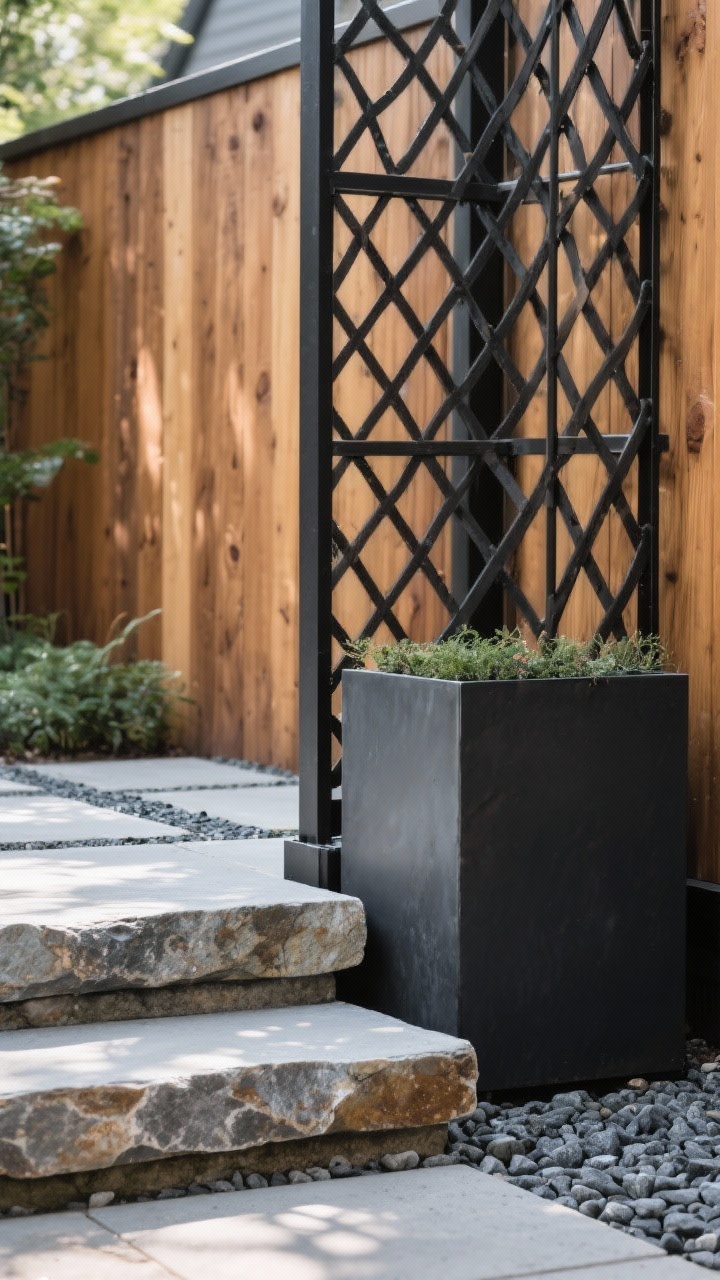
Mixing too many finishes is the fastest way to visual chaos. Pick 2–3 core materials and repeat them: maybe warm wood, black metal, and raw stone. That’s it. Done.
Consistency is the quiet power move. When your planters, hardware, and accents speak the same language, the whole space feels curated.
Material Rules That Never Fail:
- One metal tone: black or aged brass for structure, not both.
- One planter color: terracotta, white, or charcoal—then repeat in different shapes.
- One hardscape palette: gravel + pavers, or decking + brick. Keep it tight.
5. Design In Odd Numbers (Nature Does, Too)
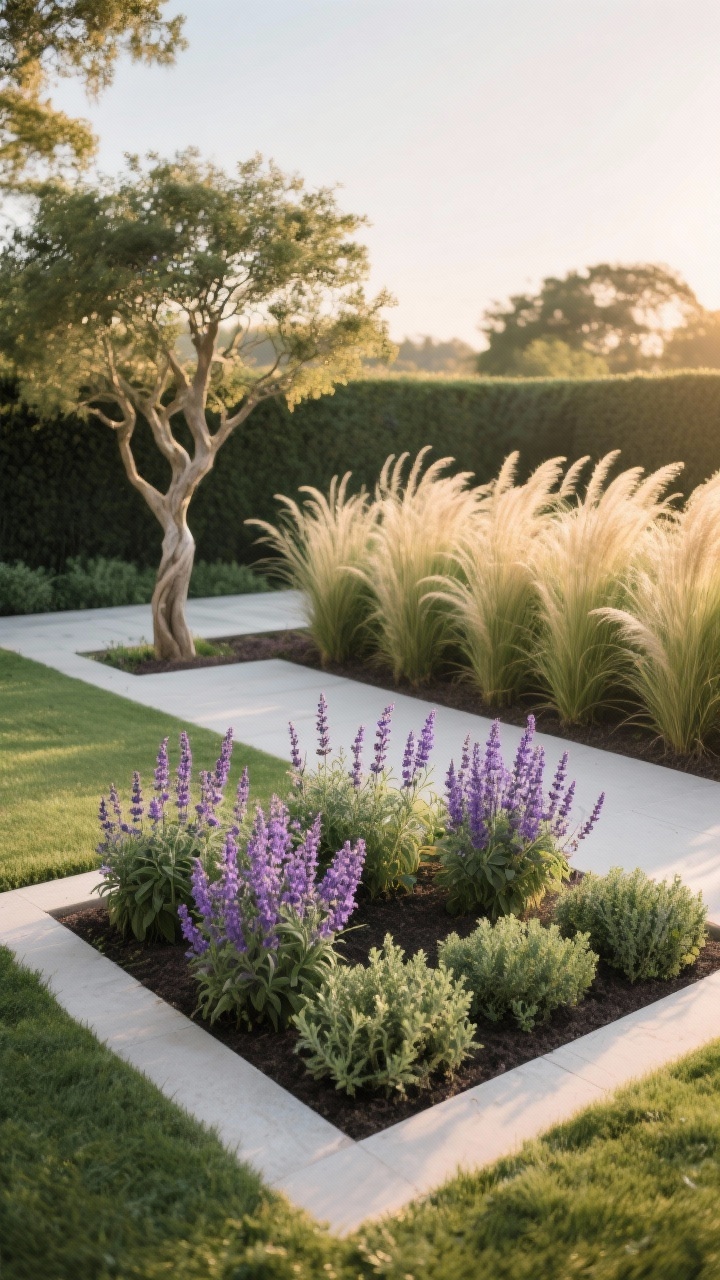
Planting in clusters of 3s and 5s just looks better. It’s more organic and easier on the eyes than stiff pairs. Use singles only for hero plants or trees.
Pro tip: mass planting = instant luxury. Ten of the same grass swaying together? Chef’s kiss.
Planting Math, Simplified:
- Small beds: 3 of each plant type, repeated.
- Large borders: 5–7 per group for impact.
- Accents: One sculptural tree or statement shrub per zone.
6. Create Pathways With Purpose (And Pretty Edges)
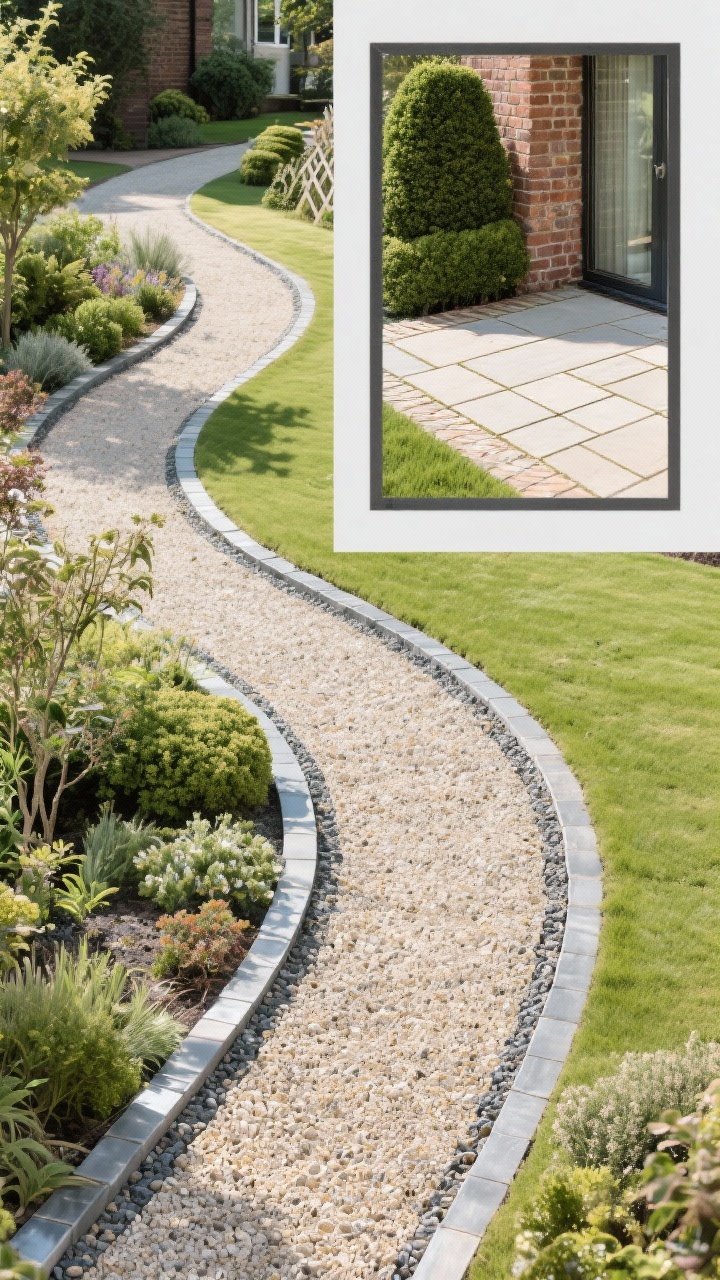
Paths aren’t just for walking—they set the vibe. Curved paths feel romantic and soft; straight lines bring modern energy. Choose one primary style and keep it consistent.
Then finish edges cleanly. A crisp border is the difference between “cute yard” and “wow, who designed this?”
Path + Edge Combos That Work:
- Gravel path + steel edging for modern cottage charm.
- Rectangular pavers + lawn joints for a sleek, airy look.
- Brick herringbone + boxwood edge for classic structure.
7. Style Your Seating Like An Outdoor Living Room
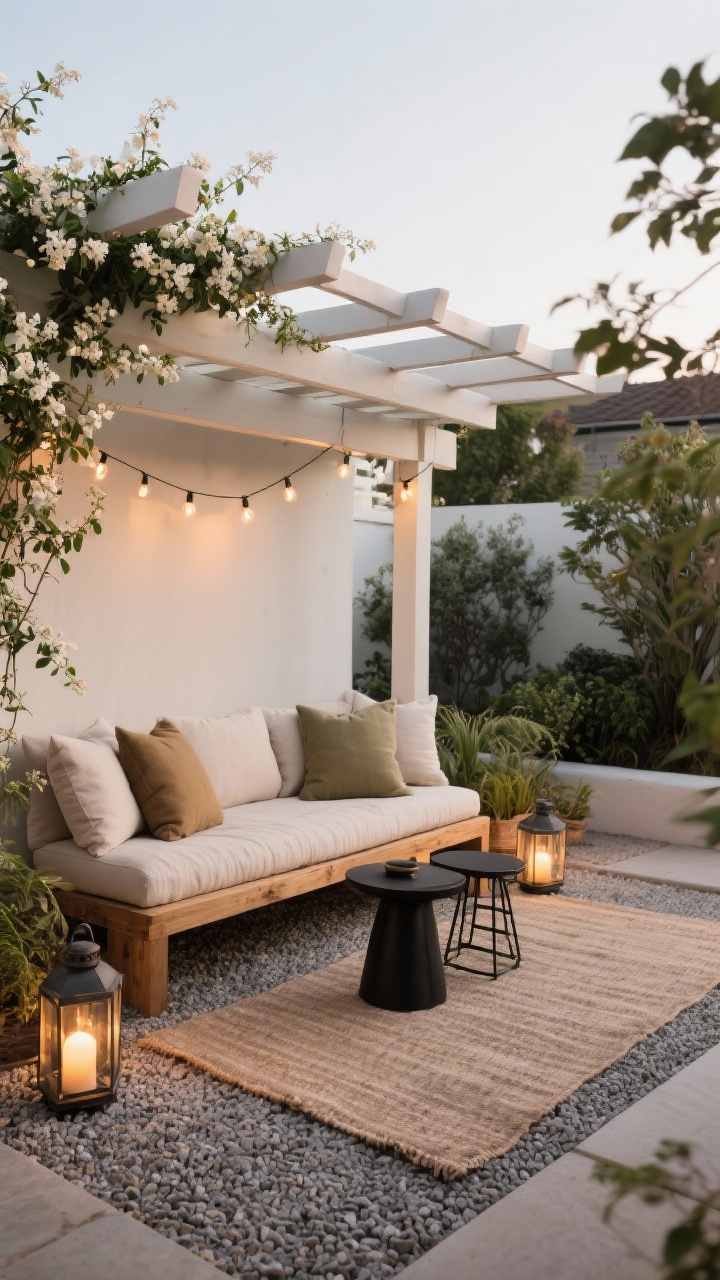
If your chairs feel like an afterthought, your garden won’t get used. Treat seating like indoor furniture—cozy, layered, and purposeful. Anchor it with a rug or pavers, add a side table, and throw in cushions you won’t cry over if it rains.
Bonus: Tie your furniture color to the garden palette so it doesn’t shout over the plants. Comfort = aesthetics, IMO.
Seating Setup Checklist:
- Anchor point: outdoor rug, deck tile, or defined gravel pad.
- Mix textures: wood bench + metal table + linen cushions.
- Lighting: lanterns, solar spikes, or string lights for golden-hour magic.
- Shade: umbrella, pergola, or climbers over an arch (jasmine, wisteria).
8. Add Repetition And Rhythm (It’s The Secret Sauce)
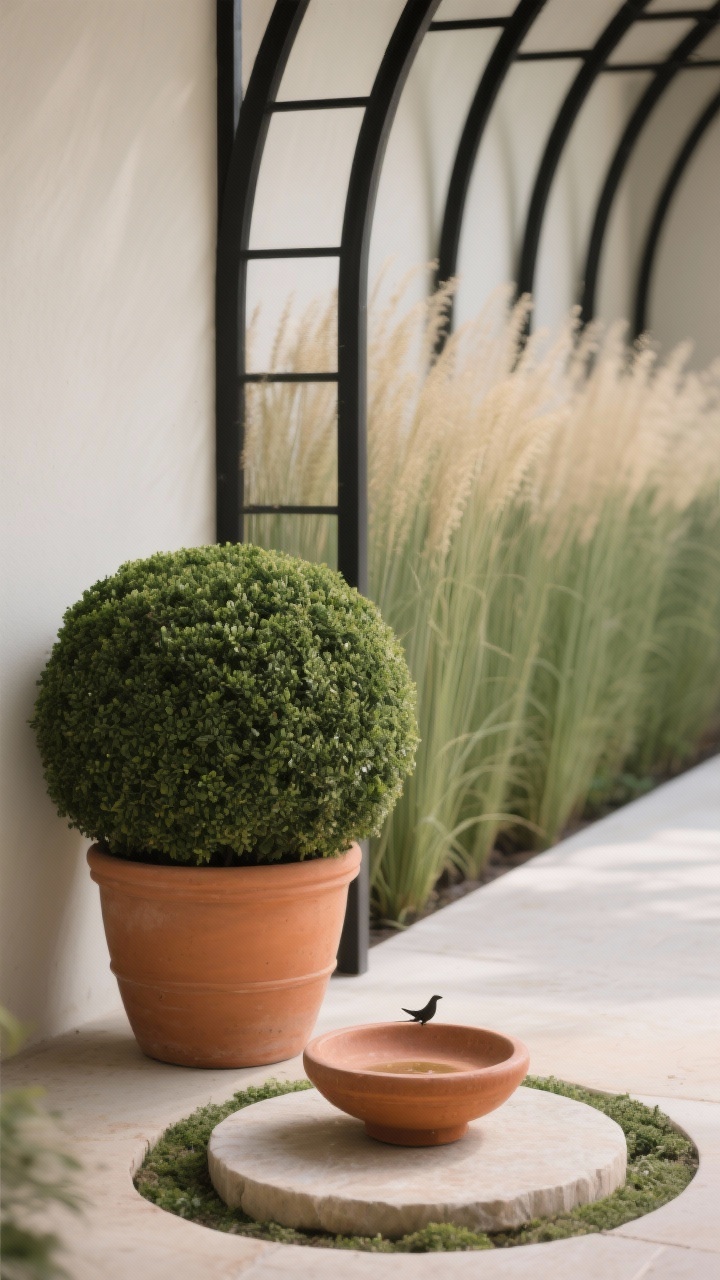
Designers repeat shapes, plants, and colors to create flow. When your eye can hop from one echo to the next, the whole garden feels intentional and soothing.
Think rounded boxwood mirrored by curved urns, or vertical grasses repeated by a trellis. It’s subtle, but it’s everything.
Easy Repeats To Try:
- Shape: Round shrubs + round pots + circular stepping stones.
- Color: Terracotta repeated in planters, a bird bath, and a path border.
- Plant type: Lavender or salvia echoed in three separate beds.
9. Edit Ruthlessly And Maintain The Glow
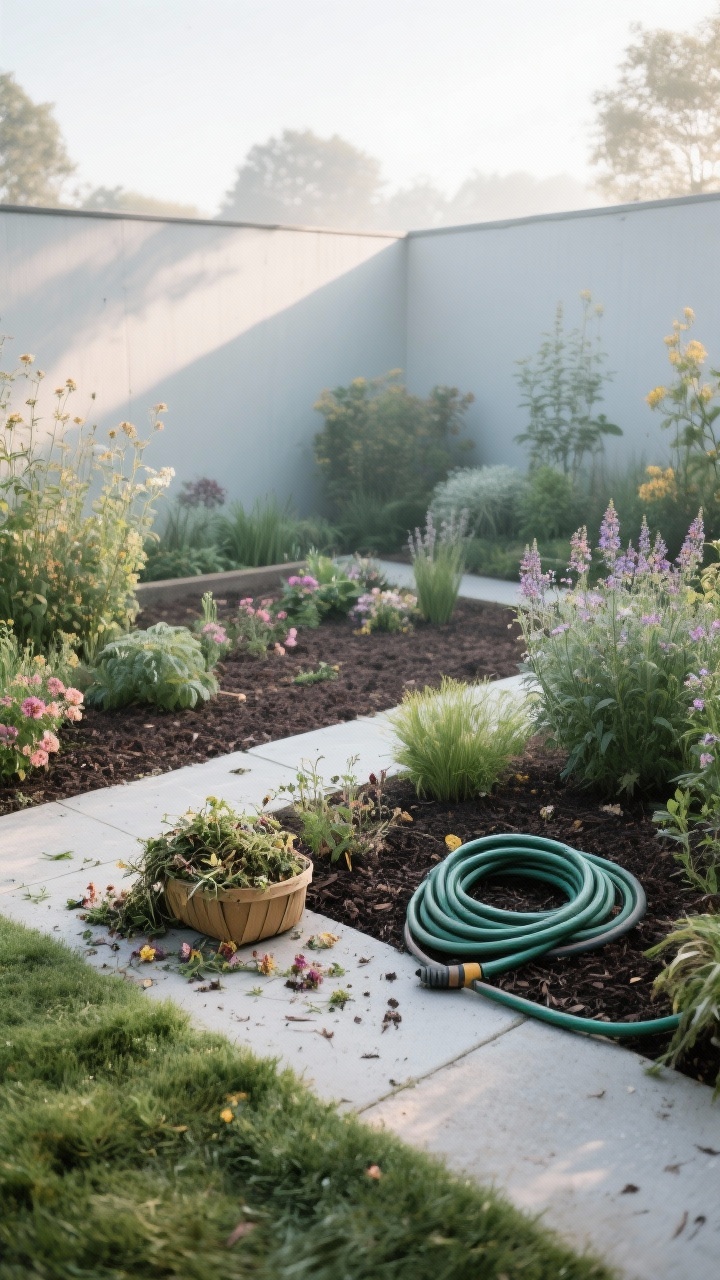
Aesthetic gardens aren’t cluttered—they’re edited. Keep what sparks joy (thanks, Marie Kondo) and compost what doesn’t. Deadhead, prune, and refresh mulch so everything looks tidy without trying too hard.
And remember: a five-minute weekly tidy beats a five-hour seasonal panic. Future you will send a thank-you text.
Low-Lift Maintenance Routine:
- Weekly: Deadhead spent blooms, sweep paths, water deeply once or twice.
- Monthly: Trim edges, refresh gravel/mulch, re-tie climbers.
- Seasonal: Replace tired annuals, top up soil, divide overgrown perennials.
Final Note: Your garden is a living thing—let it evolve. Start with one or two rules, repeat what works, and edit the rest. You’ve got this, and your garden is about to look ridiculously good. FYI, your neighbors will ask for your “landscape designer’s number.” You can just wink.
Discover free printable activities, coloring pages, and learning fun screen-free and perfect for cozy days at home.
Visit FreeKidsHub →Explore More & Elevate Your Home
If you’re dreaming of stylish rooms, warm textures and beautiful details that transform your space, explore our Home Décor.
For soft evenings, slow routines and a home that feels like a warm hug, discover more ideas in Cozy Living.
If you’re ready for less chaos and more calm, find realistic routines and tidy-home solutions inside Organization.
For soft-life habits and everyday routines that feel good, visit our Home Lifestyle.
When you’re in the mood for glow-up projects and creative home upgrades, explore DIY & Makeovers.
And if you want your balcony, terrace or garden to feel just as cozy as your indoors, get inspired in Outdoor Living.