
Your closet deserves a longer love story. If your tees are thinning, jeans are fading, and towels feel like sandpaper, it’s not your wardrobe—it’s your laundry habits. Let’s clean up the routine so your favorite pieces look luxe longer (without turning laundry day into rocket science).
1. Stop Overstuffing Like It’s a Suitcase
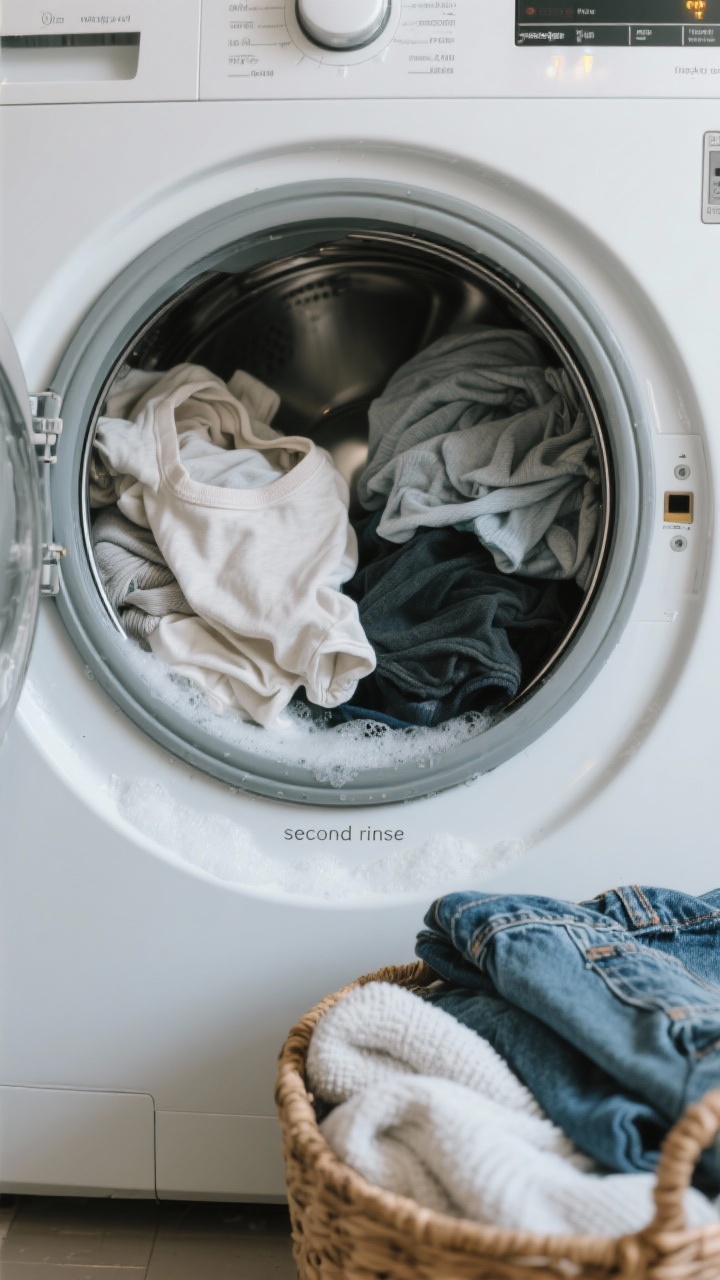
We’ve all done it—cramming “just one more” hoodie into the washer. But when your machine is overloaded, clothes can’t move, detergent can’t rinse, and everything rubs together like a fabric mosh pit. The results? Pilling, stretched collars, and that weird not-quite-clean smell.
Why it ruins clothes
- Friction causes fibers to break down faster.
- Poor rinsing leaves detergent residue that stiffens fabric.
- Uneven wear shows up as thinning spots on tees and leggings.
Do this instead
- Fill the drum to about 3/4 full so items can tumble.
- Wash heavy items (towels, jeans) in their own loads.
- Run a second rinse for bulky loads if they feel soapy after washing.
2. Hot Water Isn’t a Magic Eraser
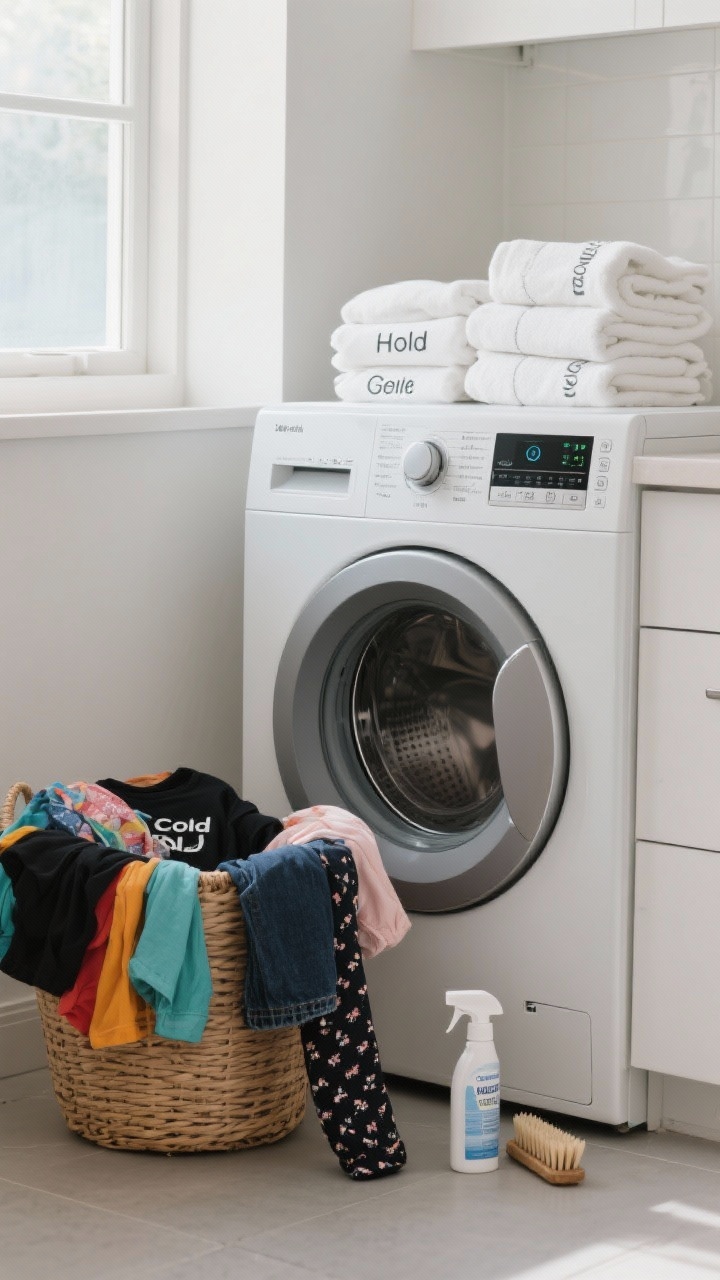
Unless you’re laundering sheets after flu season, hot water is often overkill. It fades colors, shrinks fibers, and can break down elastic faster than you can say “RIP leggings.” Cold water has come a long way—and it’s gentler on both fabrics and energy bills (FYI: win-win).
When to actually use hot
- Whites with heavy soil (think kitchen towels).
- Linens when sanitizing is necessary.
- Cloth diapers or items requiring disinfection.
Best practice for everyday laundry
- Use cold water for colors and delicate fabrics.
- Choose a gentle or normal cycle based on fabric type.
- Pre-treat stains instead of increasing water temp.
3. Detergent: More Isn’t More
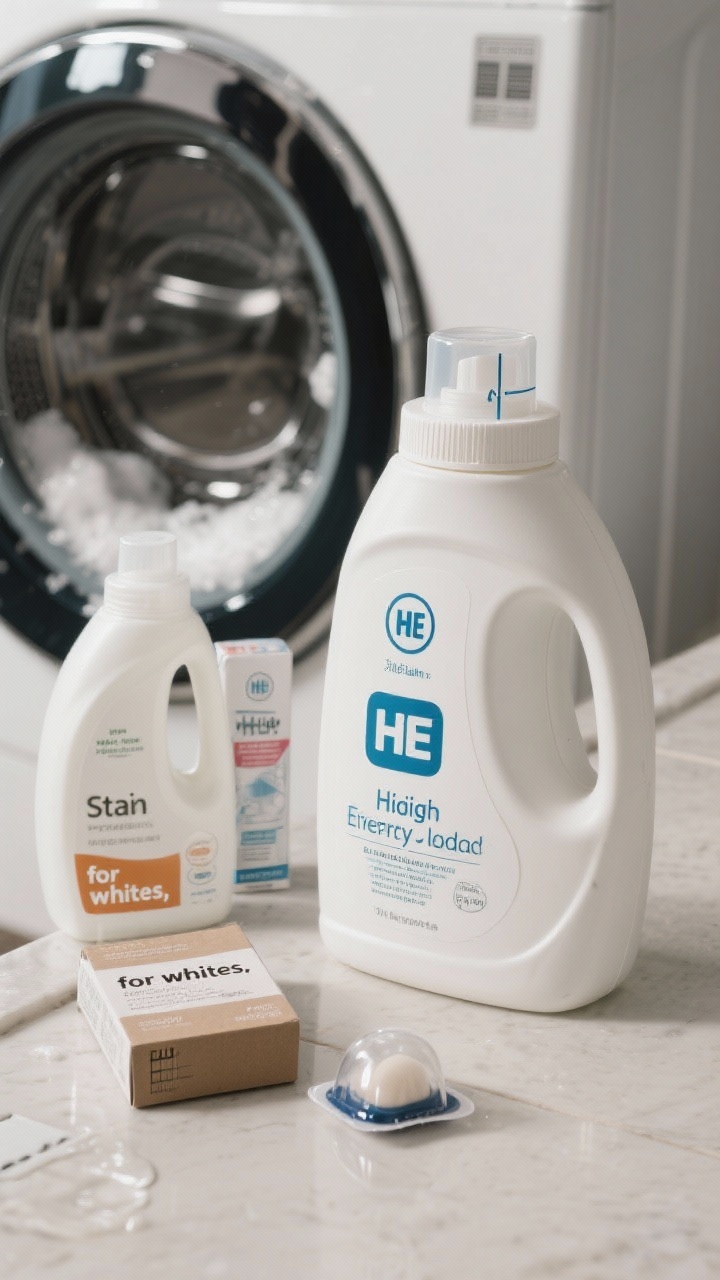
If you’re pouring detergent with your heart, your clothes are probably paying the price. Excess soap doesn’t equal cleaner clothes; it equals residue that dulls color, feels stiff, and attracts dirt faster (yes, really).
Common signs you’re using too much
- Washer smells musty or your clothes smell “off.”
- Fabric feels waxy or slightly sticky.
- There’s excessive suds or the rinse cycle takes forever.
How to dose properly
- Follow the cap line for your load size and soil level.
- Use HE detergent in HE machines—less suds, better rinse.
- Try liquid for stains, powder for whites, and pods for simplicity (IMO, pods are great for roommates and teens).
4. Skipping the Inside-Out Flip
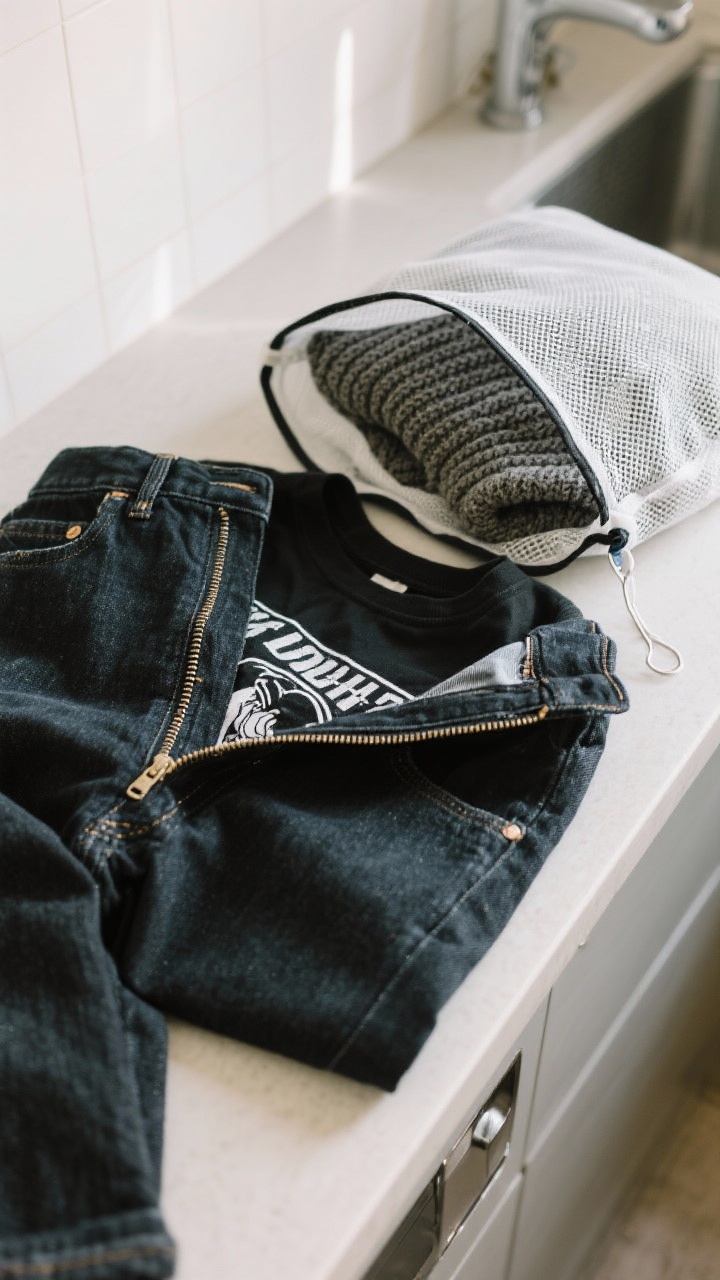
That simple inside-out trick? It’s not just for dark jeans. Turning clothes inside out reduces friction on the outside (the part people actually see), so colors stay vibrant and prints don’t crack. It takes 10 extra seconds and makes your wardrobe look brand new longer.
Flip these every time
- Dark denim and black tees (prevents fading).
- Graphic tees and printed leggings (protects the design).
- Knit sweaters and anything prone to pilling.
Bonus tip
- Fasten zippers and close hook-and-eye closures so they don’t snag softer fabrics.
5. The Dryer Is Not Your Friend (Most Days)
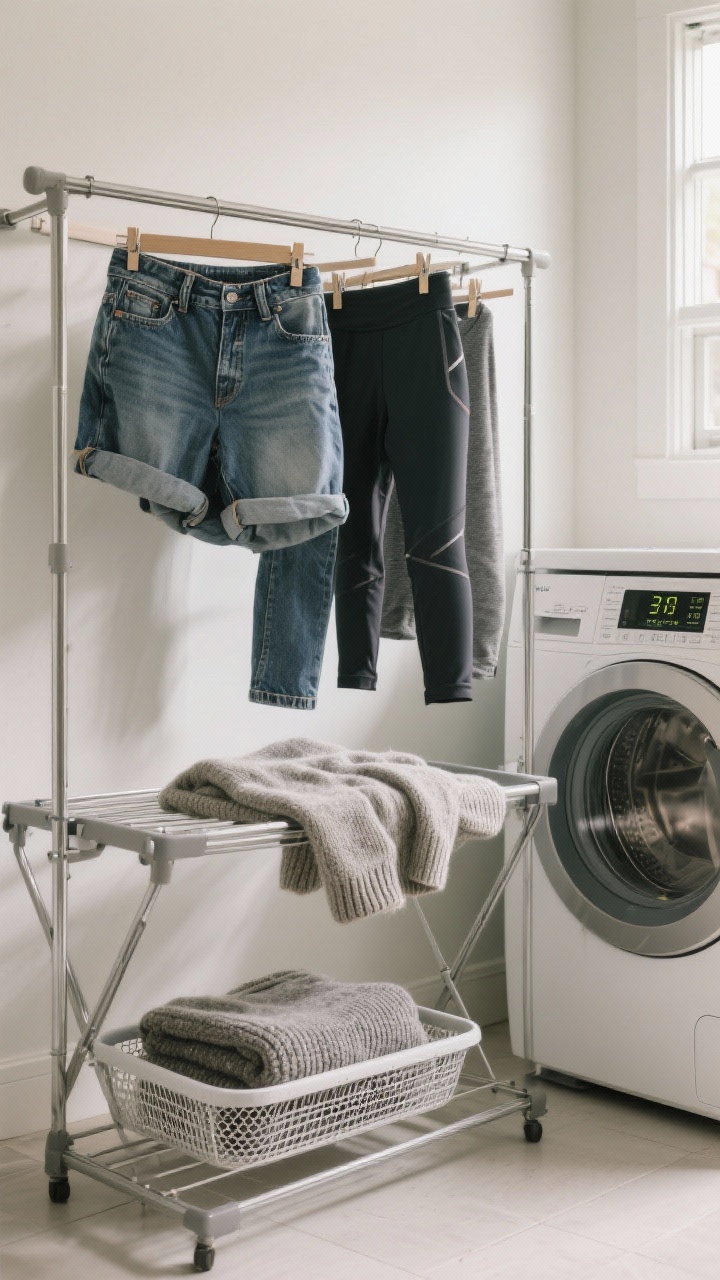
The dryer is basically a hot, whirling wrinkle factory. It’s fast, sure, but heat weakens fibers, shrinks garments, and destroys elastic (hello, sad waistbands). Air-drying isn’t just for delicate blouses—your casual favorites will last longer, too.
What to avoid tumble-drying
- Activewear and leggings (elastic + heat = brittle).
- Denim to prevent fading and stretching.
- Wool, cashmere, silk, and anything labeled “lay flat to dry.”
Smart drying habits
- Use low heat or the air fluff setting for sturdy items.
- Remove clothes while slightly damp and hang to finish—fewer wrinkles, less damage.
- Invest in a drying rack or hangers with clips for jeans, sweaters, and bras.
6. Ignoring Fabric Care Labels (They’re Tiny, Not Useless)
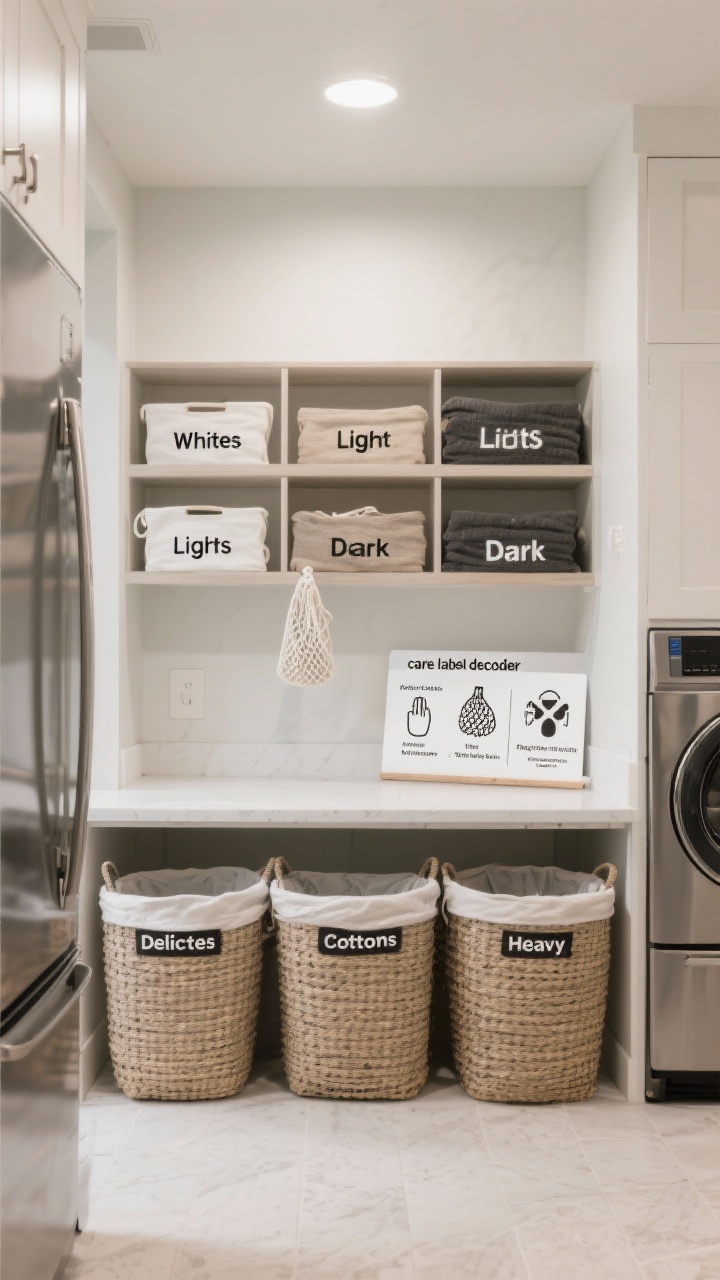
Care tags aren’t decor—they’re a cheat sheet. If you’re tossing everything in the same cycle, you’re asking for stretched knits, faded colors, and “why is this suddenly crop-length?” moments. Sorting isn’t just by color; it’s also by fabric type and care needs.
Sort like a pro
- By color: whites, lights, darks.
- By fabric: delicates, cottons, heavy items (jeans, towels).
- By soil level: keep extra-dirty items separate so grit doesn’t abrade lighter fabrics.
Care label decoder (quick and easy)
- Hand wash/delicate: use mesh bags and a gentle cycle.
- Lay flat to dry: for knits to prevent stretching.
- Do not bleach: opt for oxygen bleach on colors if needed.
7. Treating Stains Wrong (Or Not At All)
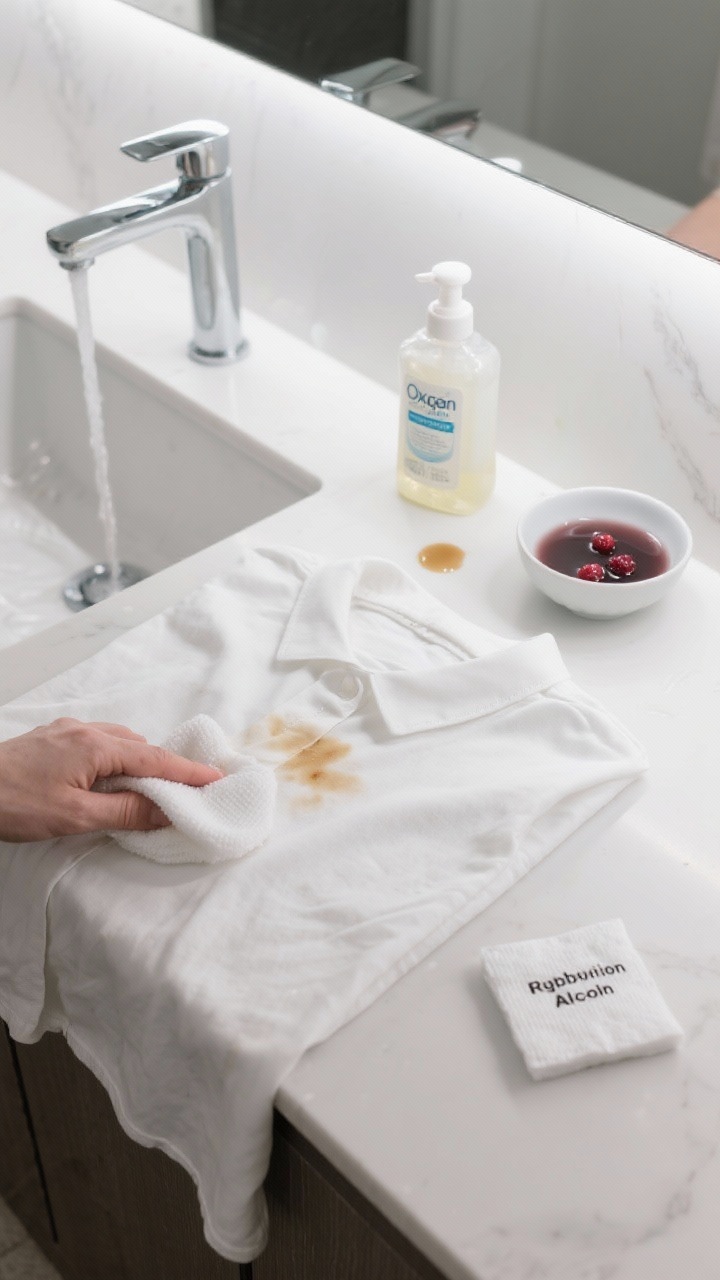
Scrubbing like you’re polishing silver? Please no. Aggressive rubbing can rough up fibers and set stains permanently. The trick is to treat fast and treat smart—specific stains need specific strategies.
Stain basics
- Blot, don’t rub. Push from the outside in to avoid spreading.
- Use cold water first—hot water can set protein stains (blood, dairy).
- Pre-treat for 5–10 minutes before washing; longer for stubborn spots.
Mini stain guide
- Grease/oil: A drop of dish soap, gently work in, rinse cold.
- Wine/berry: Flush with cold water, apply oxygen bleach solution.
- Deodorant marks: Rub with a clean dryer sheet or damp cloth; for buildup, use a paste of baking soda and water.
- Ink: Dab with rubbing alcohol on a cotton pad; test first.
Pro move
- Keep a small stain kit in the laundry area: enzymatic spray, oxygen bleach, dish soap, soft brush, and cotton swabs.
Conclusion: Gentle Habits, Longer Closet Life
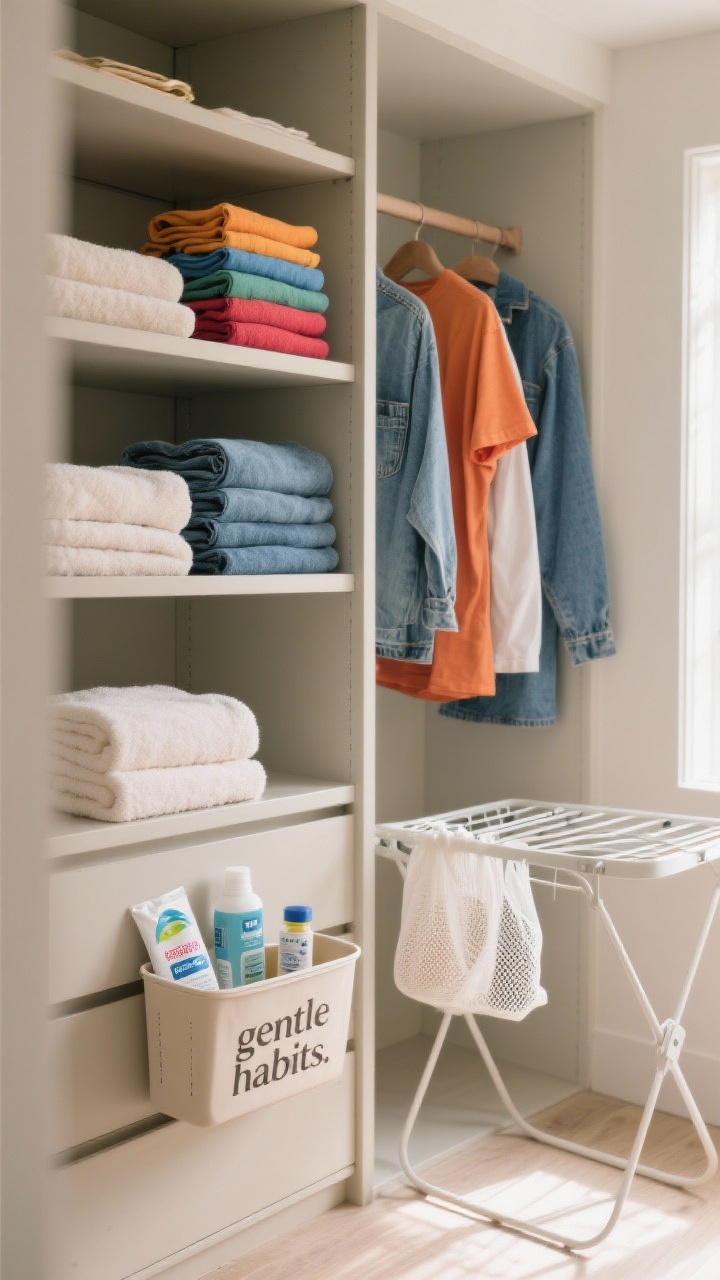
Your clothes aren’t fragile—they just like a little respect. Keep loads light, cool the water, measure detergent, flip inside out, ease up on the dryer, read the labels, and treat stains smart. Do these, and your favorite pieces will look fresher, feel softer, and last way longer. Your wardrobe—and your wallet—will thank you.
Discover free printable activities, coloring pages, and learning fun screen-free and perfect for cozy days at home.
Visit FreeKidsHub →Explore More & Elevate Your Home
If you’re dreaming of stylish rooms, warm textures and beautiful details that transform your space, explore our Home Décor.
For soft evenings, slow routines and a home that feels like a warm hug, discover more ideas in Cozy Living.
If you’re ready for less chaos and more calm, find realistic routines, systems and tidy-home solutions inside Cleaning & Organization.
For soft-life habits, everyday rituals and feminine home routines that feel good, visit our Home Lifestyle.
When you’re in the mood for glow-up projects, quick transformations and creative home upgrades, explore DIY & Makeovers.
And if you want your balcony, terrace or garden to feel just as cozy as your indoors, get inspired in Garden & Outdoor Living.