
Let’s be honest: decorating your home can feel like juggling flaming throw pillows. The good news? Most decor dilemmas have simple fixes. Here are the five most common headaches—and the easy, stylish solutions that’ll make your space look pulled together fast.
1. The Room Feels Flat And Boring
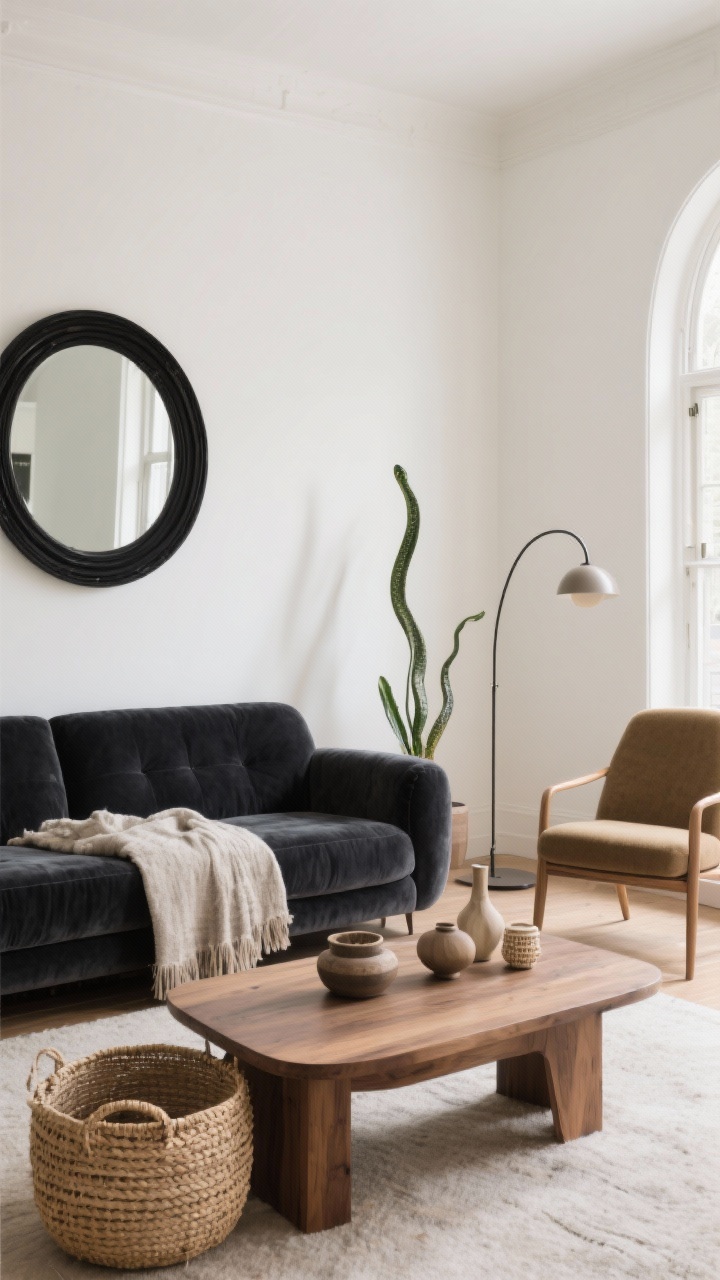
If your space looks “fine” but not fabulous, you’re probably missing contrast and texture. Too many smooth surfaces in the same color will make a room feel flat, even if everything’s technically “nice.”
Try This:
- Layer textures: Mix nubby linen, velvet, woven baskets, and wood. Opposites attract and photograph beautifully.
- Add contrast: Pair light walls with darker furniture or vice versa. A black frame or dark lamp grounds airy rooms.
- Introduce shape: A round mirror, arched lamp, or curvy chair breaks up all those rectangles.
- Style with odd numbers: Groups of 3 or 5 look more intentional than pairs. It’s design math, IMO.
Bonus move: add a large plant. It brings height, texture, and life—no PhD in botany required. FYI, snake plants are nearly indestructible.
2. The Layout Feels Awkward (Or Cramped)
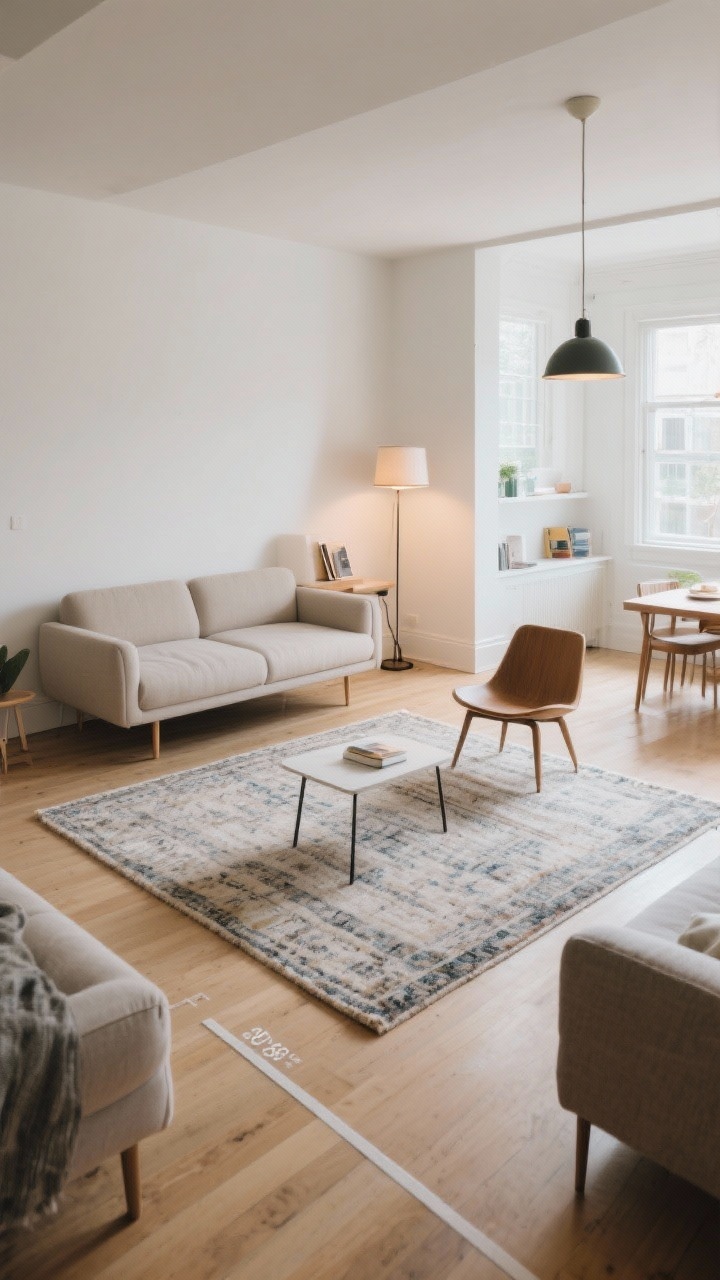
Blame the sofa shoved against the wall. Many rooms feel off because the furniture doesn’t support how you actually live. You need zones and flow—yes, even in small spaces.
Fix The Flow:
- Float the furniture: Pull the sofa 6–12 inches off the wall and anchor a conversation area with a rug.
- Mind the pathways: Leave 30–36 inches for main walkways and 18 inches around coffee tables.
- Right-size the rug: Front legs of seating on the rug (at least). Tiny rugs make rooms shrink visually.
- Create zones: Reading nook + dining corner + lounge area. Use rugs, lighting, and furniture placement to define each.
Still tight? Try leggy furniture (think mid-century). Visible floors make small rooms feel airier. And skip bulky recliners unless they’re non-negotiable—no shade, just facts.
3. Lighting Is Harsh Or Dim
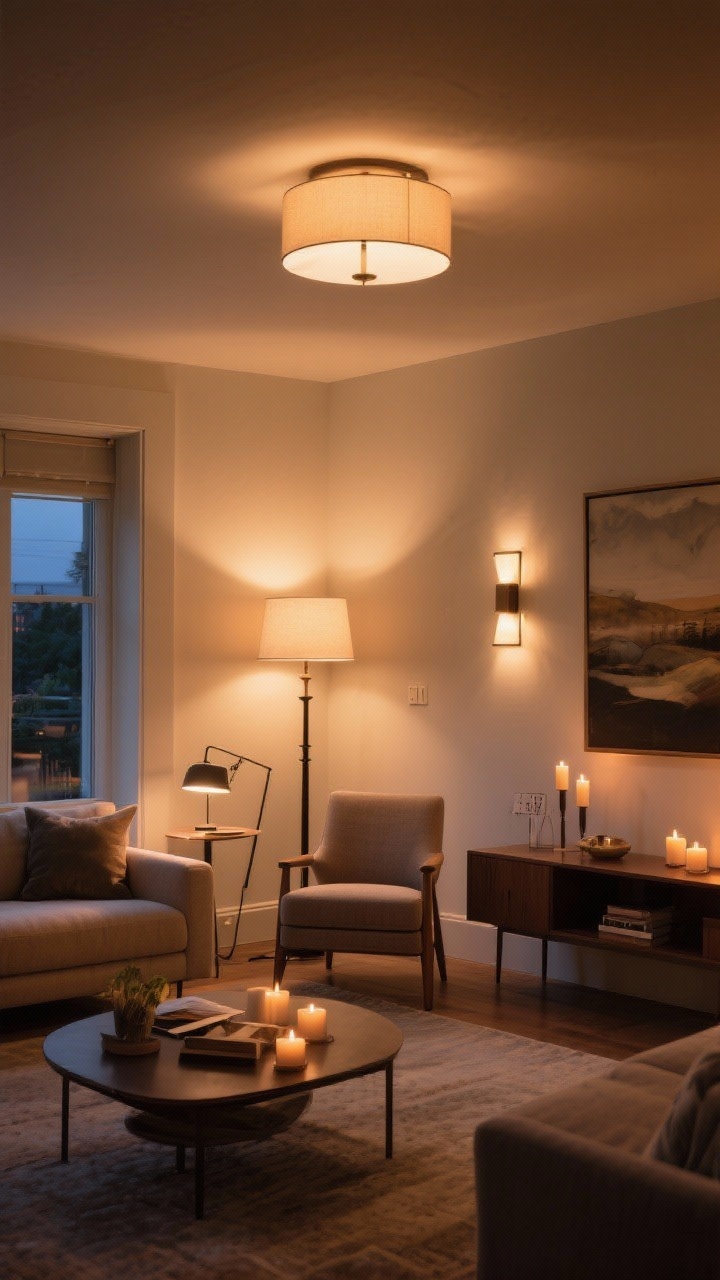
Bad lighting can wreck great decor faster than a glitter explosion. Overhead “boob lights” and one lonely lamp won’t cut it. You want layers of light for function and vibe.
Light Like A Stylist:
- Three layers: Ambient (overhead), task (reading, cooking), and accent (sconces, picture lights, candles).
- Bulb basics: Use 2700–3000K for cozy warmth; 4000K+ only in workspaces. Keep color temps consistent in the same room.
- Dim everything: Plug-in dimmers are affordable magic. Mood lighting on command.
- Go tall: Floor lamps in corners lift the eye and bounce light off walls—instant spaciousness.
Pro tip: aim for 5–7 light sources in a living room. Sounds extra, looks amazing.
4. Blank Walls And Weirdly Hung Art
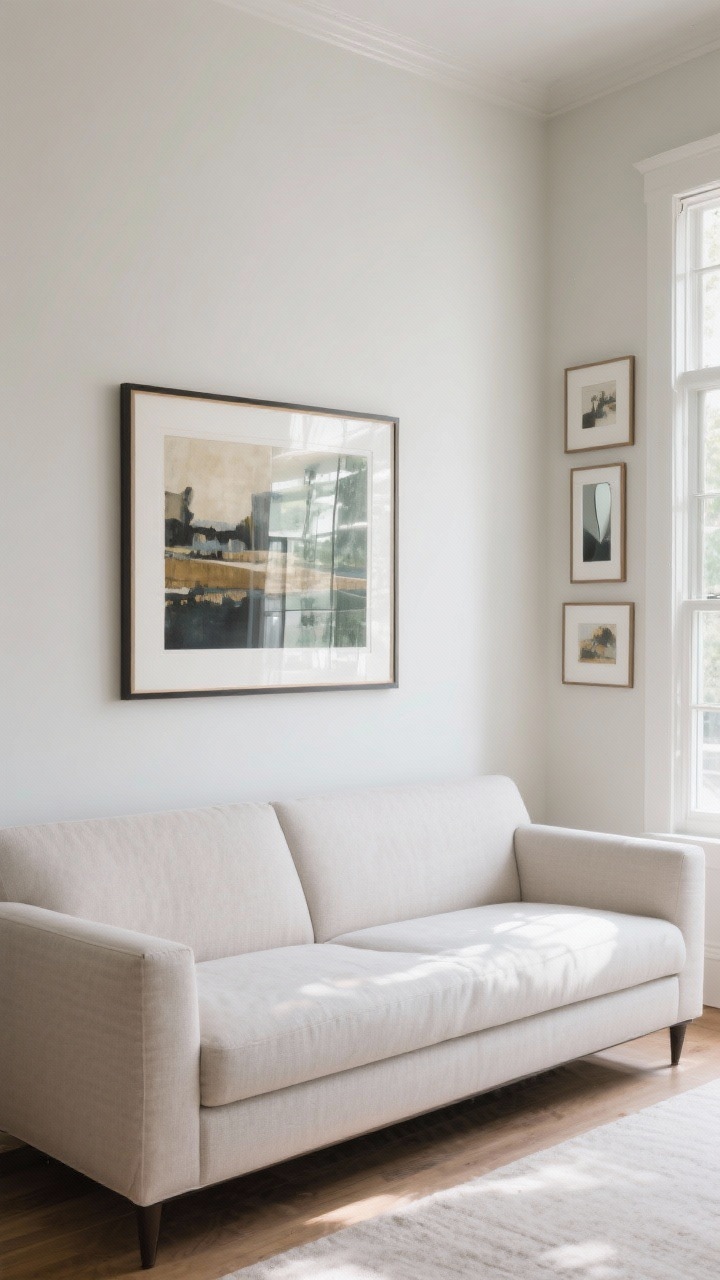
Naked walls can make your home feel temporary. But hanging art too high is just as bad—no one wants to crane their neck like they’re in a museum tour.
Hang It Right:
- Eye-level rule: Center artwork around 57–60 inches from the floor.
- Over the sofa: Art should be 2/3 the sofa’s width and hang 6–8 inches above it.
- Gallery walls: Start with a central anchor piece and build around it with 2–3 inches between frames.
- Scale matters: One large piece beats ten tiny ones. When in doubt, go bigger.
Not ready to commit? Try leaned art on a console or shelf. It’s casual, chic, and renter-friendly. Also, add a mirror opposite a window to bounce light and make the wall do more.
5. Clutter That Never Stays Gone
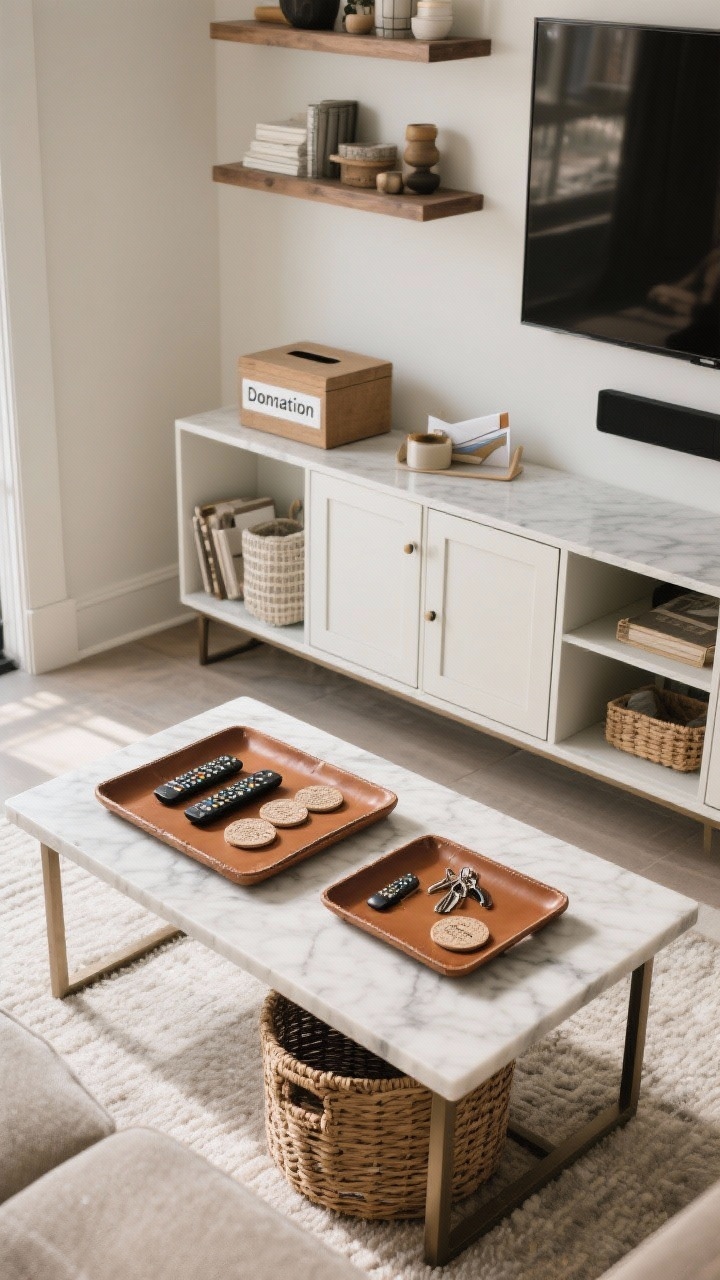
If your surfaces are perpetually messy, you don’t need discipline—you need systems. Stylish storage lets you live your real life without the chaos screaming at you.
Hide It, But Make It Cute:
- Trays for everything: Entryway drop zone, coffee table remotes, nightstand essentials. Contained clutter feels intentional.
- Closed storage: Choose media consoles with doors, storage ottomans, or woven baskets with lids.
- One-in, one-out: Especially for pillows and decor. Rotate seasonally instead of piling on.
- Use vertical space: Wall hooks, peg rails, floating shelves. Floors stay clear, brains stay calmer.
And please give every room a donation box. When something stops earning its keep, it moves out—no guilt, just more breathing room. FYI, this is the secret sauce for always-tidy people.
Wrap-Up: You don’t need a full makeover to fix a room that feels “off.” Focus on texture, layout, lighting, scale, and storage, and watch your home glow up fast. Start with one section above, make a small change today, and let your space finally feel like you.
Explore More & Elevate Your Home
If you’re dreaming of stylish rooms, warm textures and beautiful details that transform your space, explore our Home Décor.
For soft evenings, slow routines and a home that feels like a warm hug, discover more ideas in Cozy Living.
If you’re ready for less chaos and more calm, find realistic routines, systems and tidy-home solutions inside Cleaning & Organization.
For soft-life habits, everyday rituals and feminine home routines that feel good, visit our Home Lifestyle.
When you’re in the mood for glow-up projects, quick transformations and creative home upgrades, explore DIY & Makeovers.
And if you want your balcony, terrace or garden to feel just as cozy as your indoors, get inspired in Garden & Outdoor Living.