
Want your space to feel like a hug? You’re in the right place. Texture is the fastest way to make any room feel warmer, richer, and ridiculously inviting—no renovation required. Think of it like seasoning for a bare room: a pinch here, a sprinkle there, and boom—cozy vibes unlocked.
Let’s dive into ten tactile, doable ideas that add instant warmth without making your place look like a craft store exploded. Ready?
1. Layer Textiles Like You Mean It
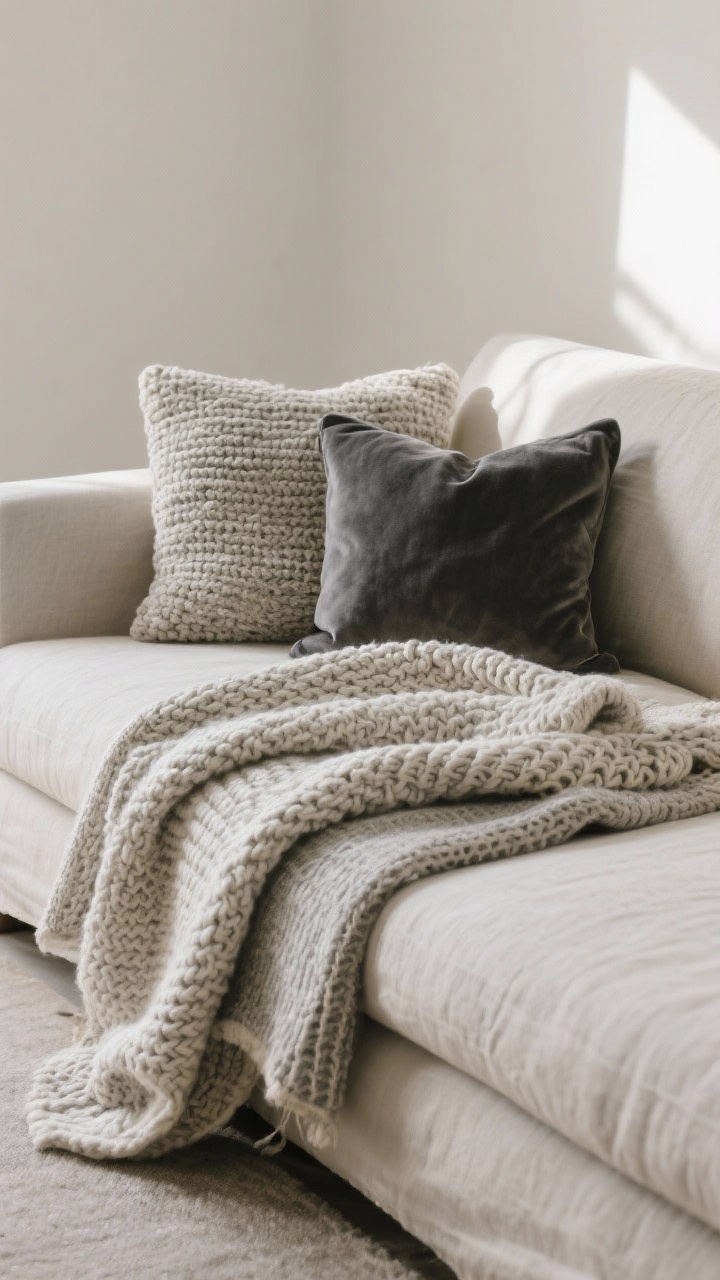
Texture is cumulative. One throw pillow? Cute. A throw pillow, chunky knit blanket, and nubby lumbar pillow? Cozy magic. Mix a few different fabrics so your eye (and hands) get a little tour of softness and structure.
Try This:
- Vary fabric weights: Pair a chunky knit with a linen throw and a velvet pillow.
- Stick to a palette: Use 2–3 colors max, but go wild with texture.
- Use odd numbers: Group accents in threes or fives for a layered look that feels “designed.”
FYI, texture reads as warmth even in a cool palette. Greys and creams still feel cozy when you go heavy on the weave.
2. Bring In Natural Fibers (They Do All The Heavy Lifting)
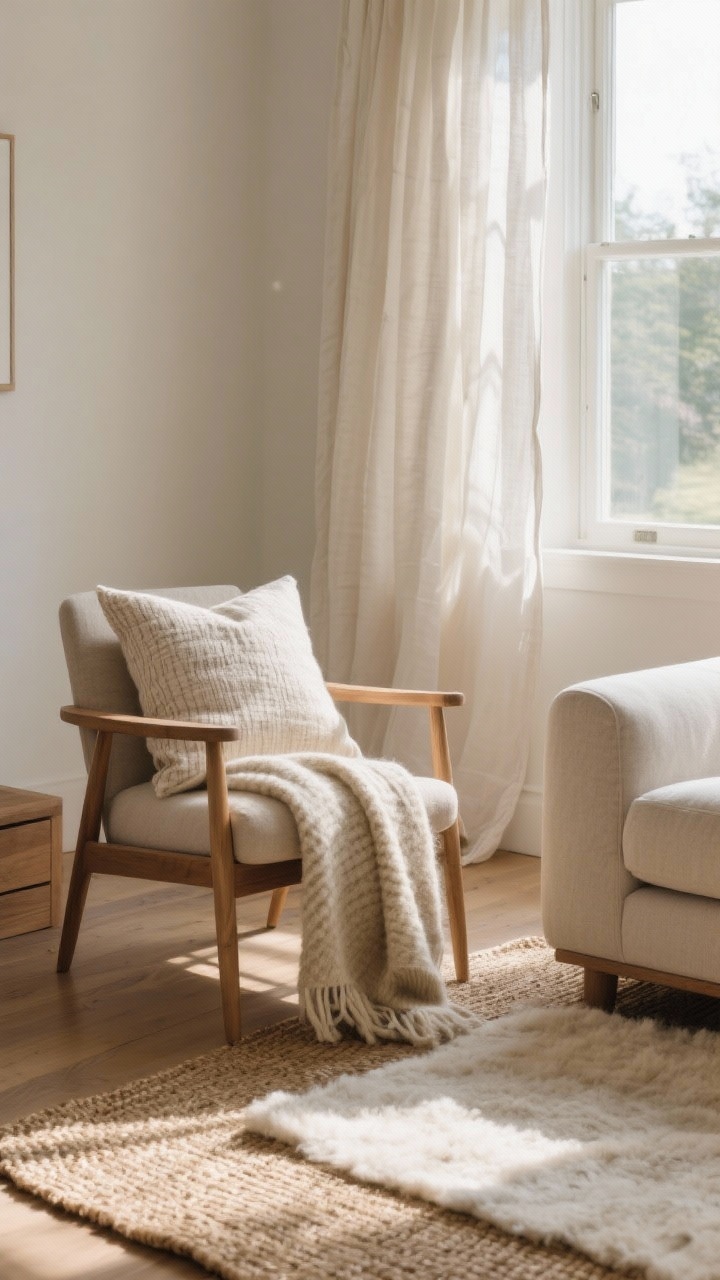
Natural materials have a built-in warmth you can’t fake. They age well, add depth, and make a room feel grounded without trying too hard.
Best-In-Class Materials:
- Wool: Rugs, throws, and seat pads—soft, durable, and subtly luxe.
- Linen: Curtains, pillow covers, and table runners—light texture and breezy movement.
- Cotton Slub: Pillow covers with an organic, imperfect weave.
- Jute and Sisal: Rugs that add grit and texture in the best way (layer them under softer rugs!).
Pro move: mix one “rough” fiber (jute) with one “soft” fiber (wool). It’s the contrast that creates the cozy effect.
3. Add A Rug (Then Layer Another One)
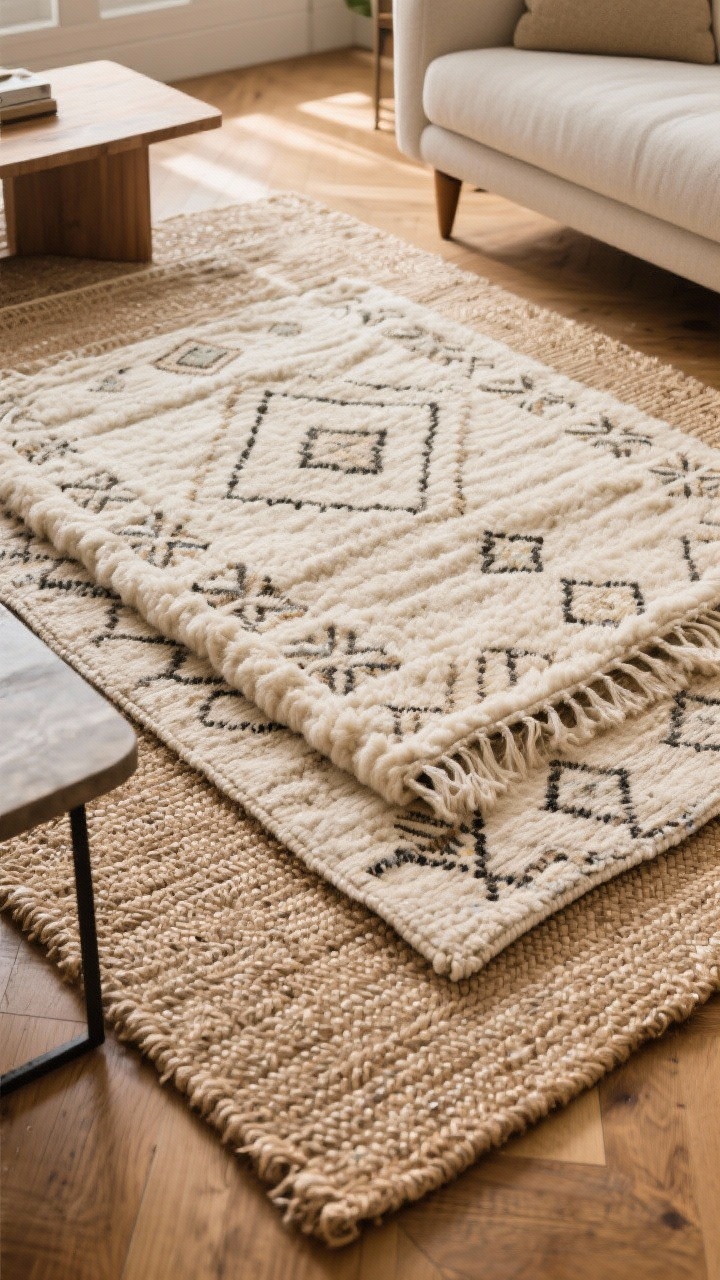
Rugs are the texture equivalent of putting on socks—you instantly feel warmer. If you have hard floors, this is non-negotiable. And yes, layered rugs are very much a thing and very much worth doing.
Rug Layering Basics:
- Start with a flatweave or jute base rug in a neutral tone.
- Top with a softer rug—think shag, Moroccan, or hand-loomed wool—for comfort underfoot.
- Scale matters: The top rug should be at least 2/3 the size of the base rug so it doesn’t look like a bath mat.
Bonus: this trick works wonders in rentals where you can’t change flooring. It hides sins and adds character.
4. Use Wood With Visible Grain
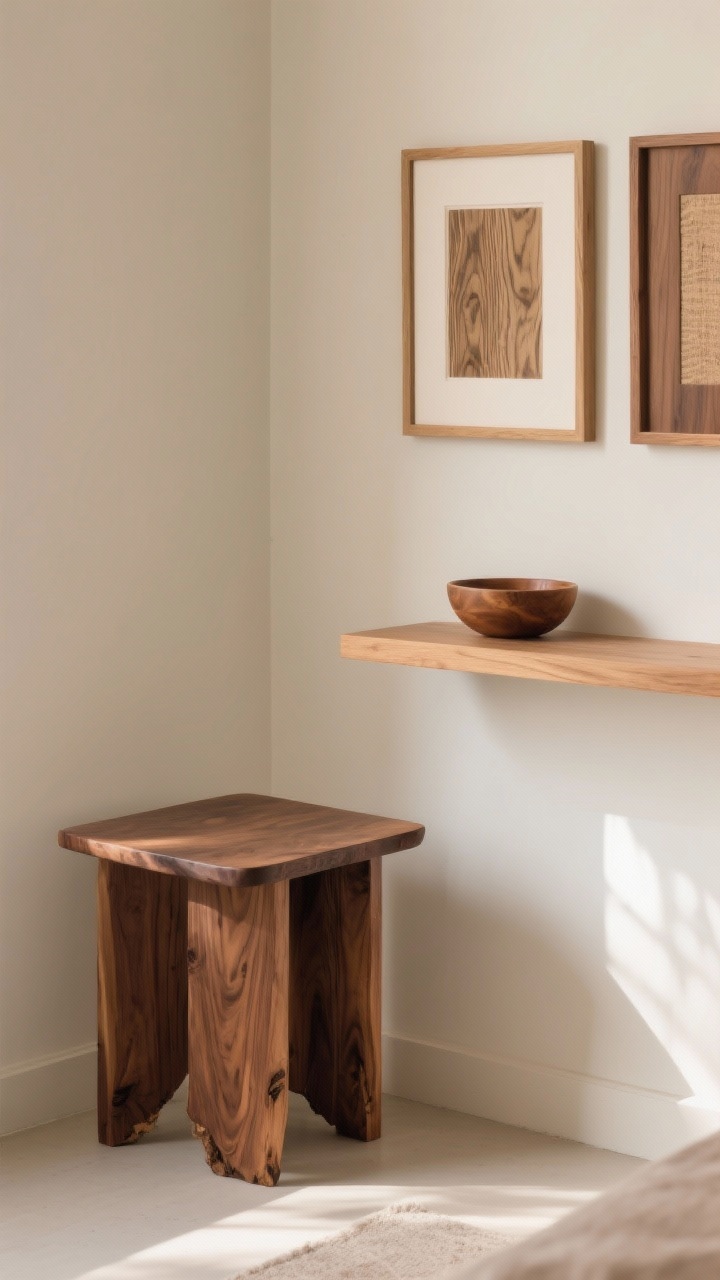
Glossy finishes can feel cold. Swap in wood pieces with visible grain, matte finishes, or a hand-rubbed look. Even a small accent—like a wooden bowl—adds warmth that feels organic and intentional.
Where To Add Wood:
- Side tables or coffee tables with a natural edge or open grain.
- Picture frames in oak, walnut, or ash—mix tones, but keep it cohesive.
- Floating shelves in unfinished or lightly oiled wood for texture you can see and touch.
IMO, walnut = cozy sophistication; oak = airy warmth. Pick your vibe and run with it.
5. Soften Your Lighting With Layered Lamps
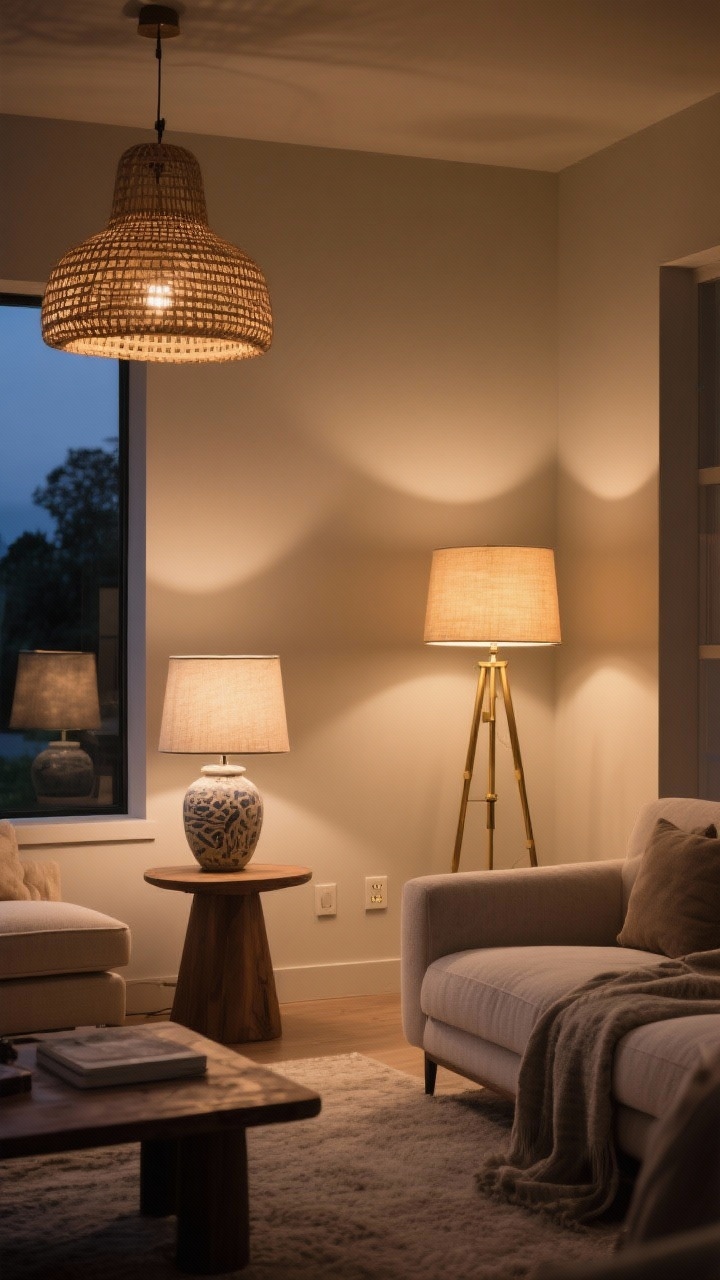
Light is a texture. Harsh overheads flatten a room, while layered, diffused lighting softens the edges—literally and visually. Aim for three light sources in any room, minimum.
Lighting Texture Tips:
- Use fabric shades for a tactile look and warm glow.
- Swap bulbs to 2700K–3000K for cozy color temperature.
- Mix materials: Ceramic table lamps, rattan pendants, and brass floor lamps add visual layers.
And dimmers? Non-negotiable. They turn basic spaces into “pour a glass of red and stay awhile” spaces.
6. Pile On Pillows (But Curate The Mix)
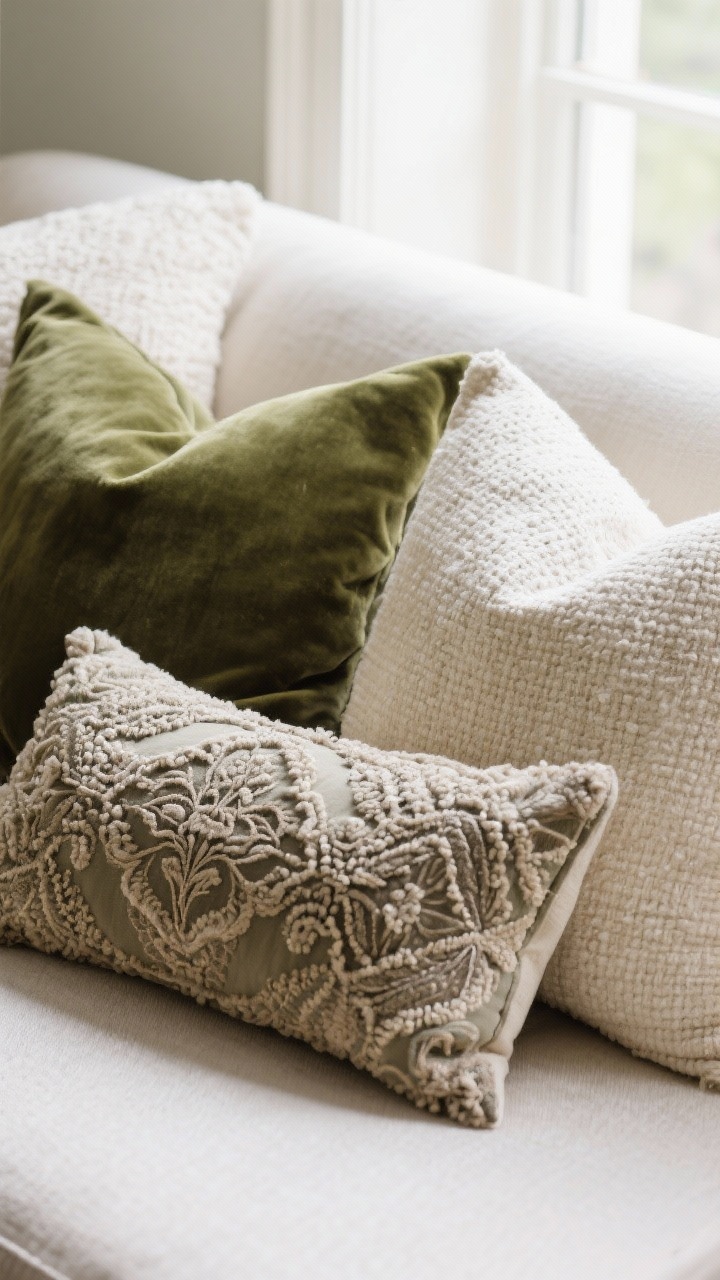
Pillows are the easiest way to add surface texture without clutter. The trick is to vary the feel and scale while keeping the palette coherent. No one wants a pillow avalanche that screams chaos.
Build A Pillow Mix:
- Base: Two large pillows in a subtle texture—think linen or tweed.
- Middle: One or two pillows in velvet or boucle for plushness.
- Accent: A patterned or embroidered lumbar to anchor the set.
Stick to 2–3 textures, tops. Too many and the couch looks like it’s wearing every sweater it owns.
7. Add Tactile Wall Moments
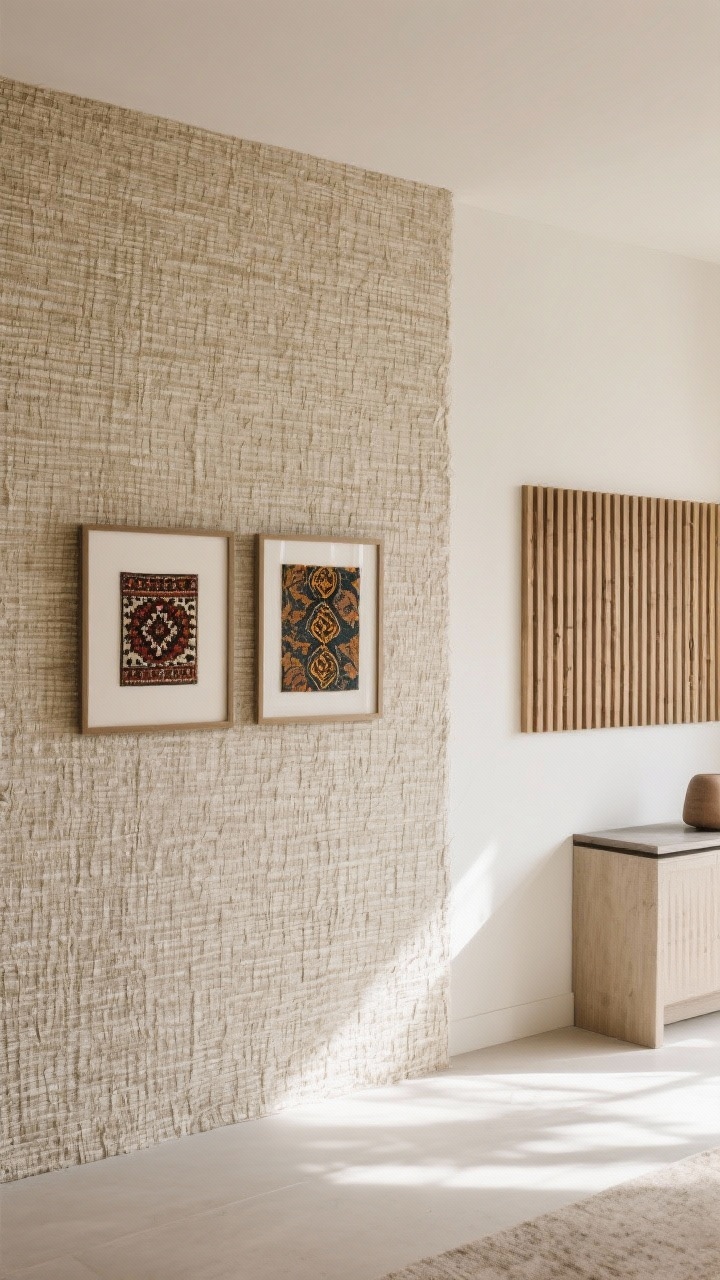
Walls aren’t just for art. They’re giant canvases begging for texture. If you don’t want to commit to paneling, there are simple, renter-friendly ways to add depth.
Textured Wall Ideas:
- Fabric or grasscloth wallpaper for immediate warmth and dimension.
- Framed textiles like batik, vintage kilim fragments, or embroidered fabric.
- Wood slat panels behind a TV or bed—clean lines, big texture payoff.
- Plaster-look paint or limewash for soft, imperfect movement.
Even one textured wall can shift the whole room from flat to layered. It’s like instant depth-of-field for your decor.
8. Mix In Cozy Curves And Chunky Shapes
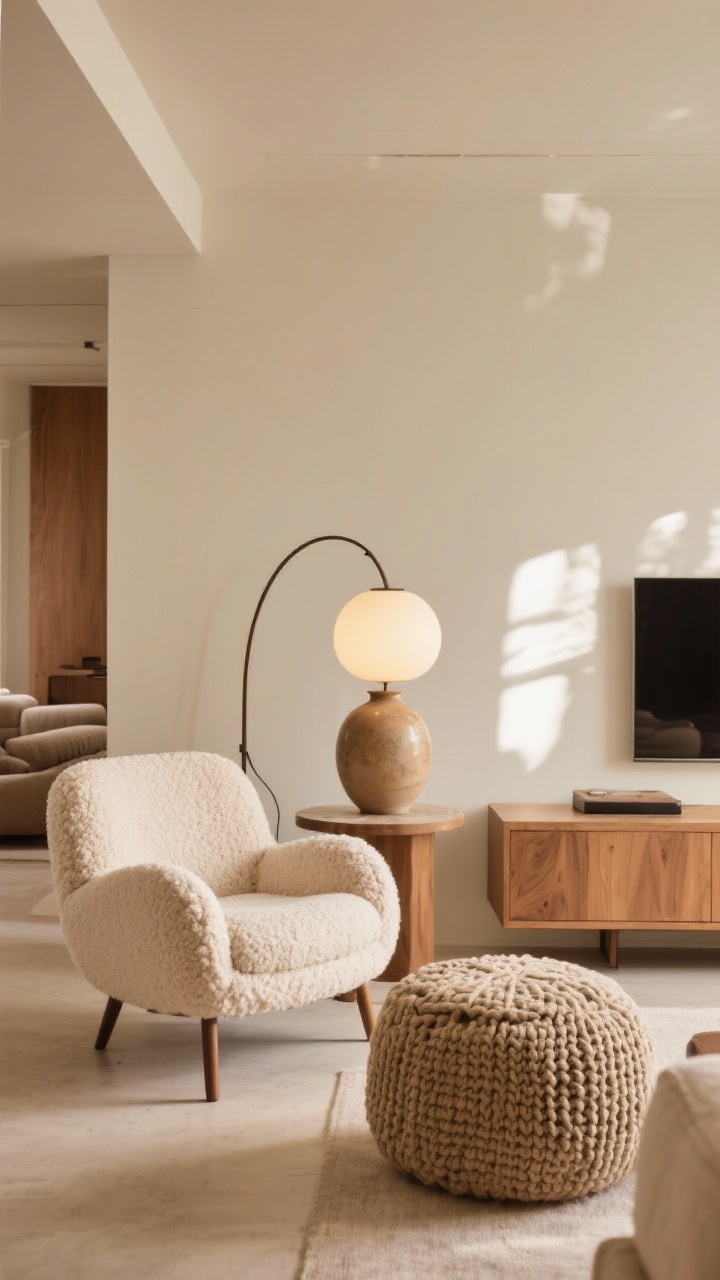
Shape is part of texture too. Curved silhouettes, rounded edges, and chunky profiles visually read as soft—even if the material is hard. That contrast is chef’s kiss for coziness.
Curvy, Chunky Add-Ins:
- Boucle or sherpa chairs with rounded arms.
- Chunky knit ottomans or poufs that double as footrests.
- Curved lamps and bulbous ceramic vases to break up hard lines.
In rooms full of rectangles (hi, TV and sofa), curves act like a visual exhale. Your eyes—and your space—relax.
9. Style With Cozy, Hands-On Accessories
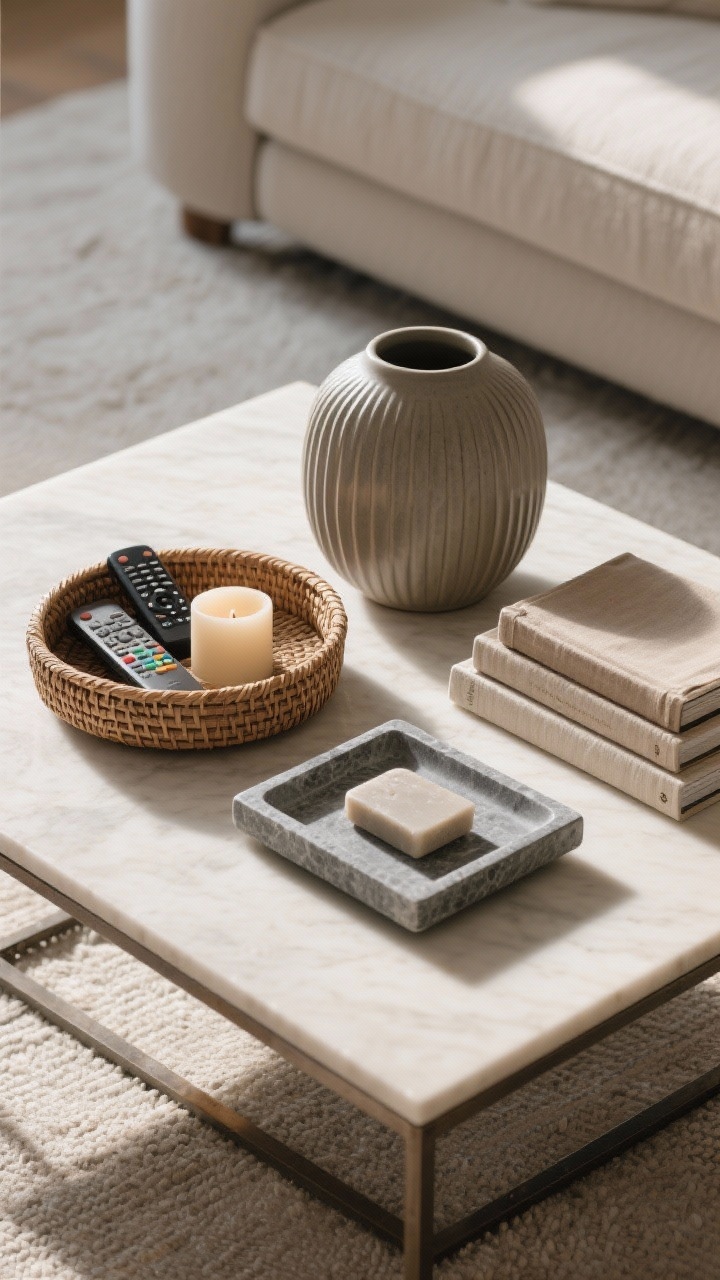
This is where the personality happens. Small, touchable accents make the room feel lived-in instead of staged. The key is to choose pieces with tactile interest and a story.
Texture-Forward Accessories:
- Ceramic vases with matte or ridged finishes.
- Woven baskets for throws, firewood, or plant covers.
- Stone or soapstone trays for remotes and candles—cool to the touch, visually rich.
- Books with linen or cloth covers—stacked on a coffee table for instant texture and height.
Pro tip: group accessories in varied materials—like ceramic, wood, and metal—to build a balanced, layered vignette.
10. Cozy Up With Layers On Your Bed (And Beyond)
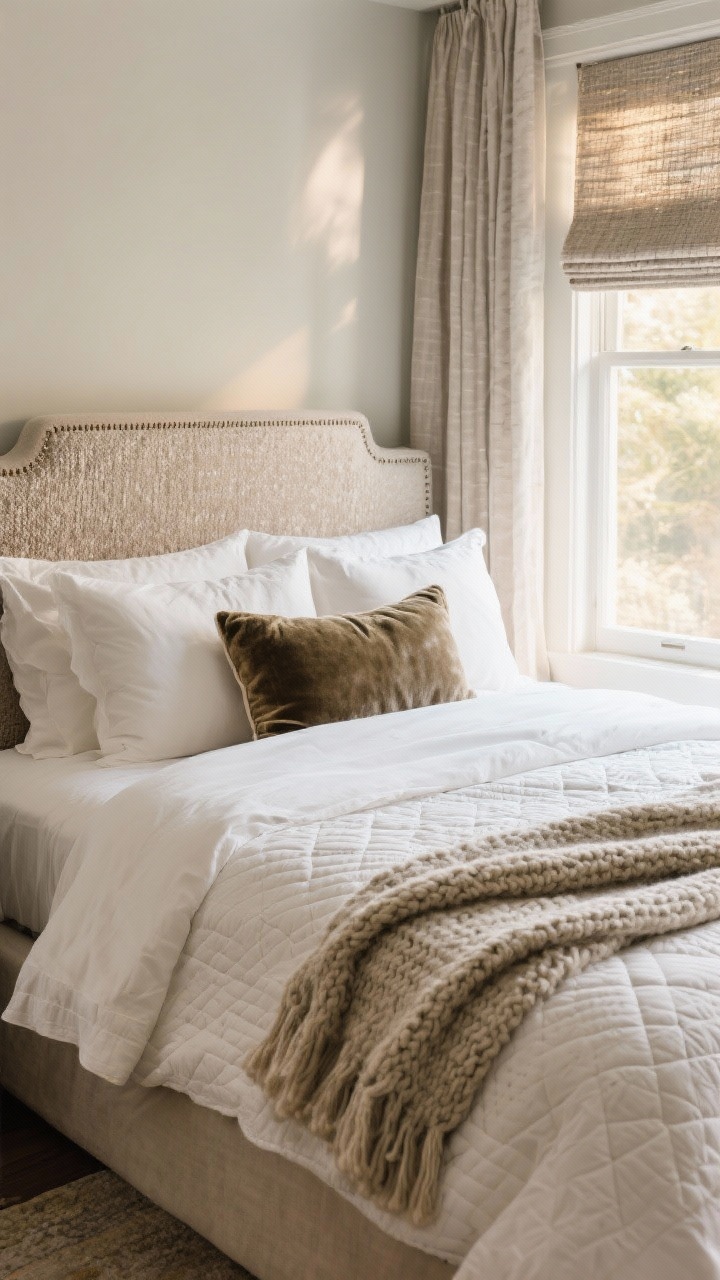
Bedrooms are texture’s natural habitat. A bed with layers looks inviting even if everything else is minimal. Bonus: it’s practical for changing temps without blasting the heat.
Build A Textured Bed:
- Start with a crisp base: Cotton or percale sheets for light texture.
- Add a quilt or matelassé coverlet, then top with a chunky knit or wool throw at the foot.
- Mix pillows: Standard shams in linen + a velvet or boucle lumbar.
- Don’t forget the headboard: Upholstered = instant warmth. Wood with grain = major texture.
Extend the layering to benches, reading chairs, and windows with lined curtains or even Roman shades in a textured fabric. It’s the little repeats that make a room feel cohesive.
Bonus Mini-Tips To Dial Up The Warmth:
- Candles: Choose textured vessels—terracotta, ribbed glass, or ceramic.
- Scent: Cozy textures feel even cozier with layered scents like cedar, vanilla, or bergamot.
- Plants: Big leafy ones add visual softness; trailing plants add movement (and yes, movement is a kind of texture).
There you have it—ten tactile tricks to turn your home into a warm, inviting haven without replacing a single wall. Start with one area (sofa, bed, or a reading nook), stack a few textures, and step back. If it makes you want to curl up with a book and ignore your phone for an hour, you nailed it. FYI: once you start layering, it’s hard to stop. But that’s kind of the point.
Discover free printable activities, coloring pages, and learning fun screen-free and perfect for cozy days at home.
Visit FreeKidsHub →Explore More & Elevate Your Home
If you’re dreaming of stylish rooms, warm textures and beautiful details that transform your space, explore our Home Décor.
For soft evenings, slow routines and a home that feels like a warm hug, discover more ideas in Cozy Living.
If you’re ready for less chaos and more calm, find realistic routines, systems and tidy-home solutions inside Cleaning & Organization.
For soft-life habits, everyday rituals and feminine home routines that feel good, visit our Home Lifestyle.
When you’re in the mood for glow-up projects, quick transformations and creative home upgrades, explore DIY & Makeovers.
And if you want your balcony, terrace or garden to feel just as cozy as your indoors, get inspired in Garden & Outdoor Living.