
You know that feeling when you walk into a room and instantly think, “Oh, this is fancy”? That’s not magic. That’s strategy. Designers have a handful of sneaky tricks that make spaces look high-end—even if the budget isn’t. Ready to borrow them?
1. Curate Your Color Story (And Stick To It)
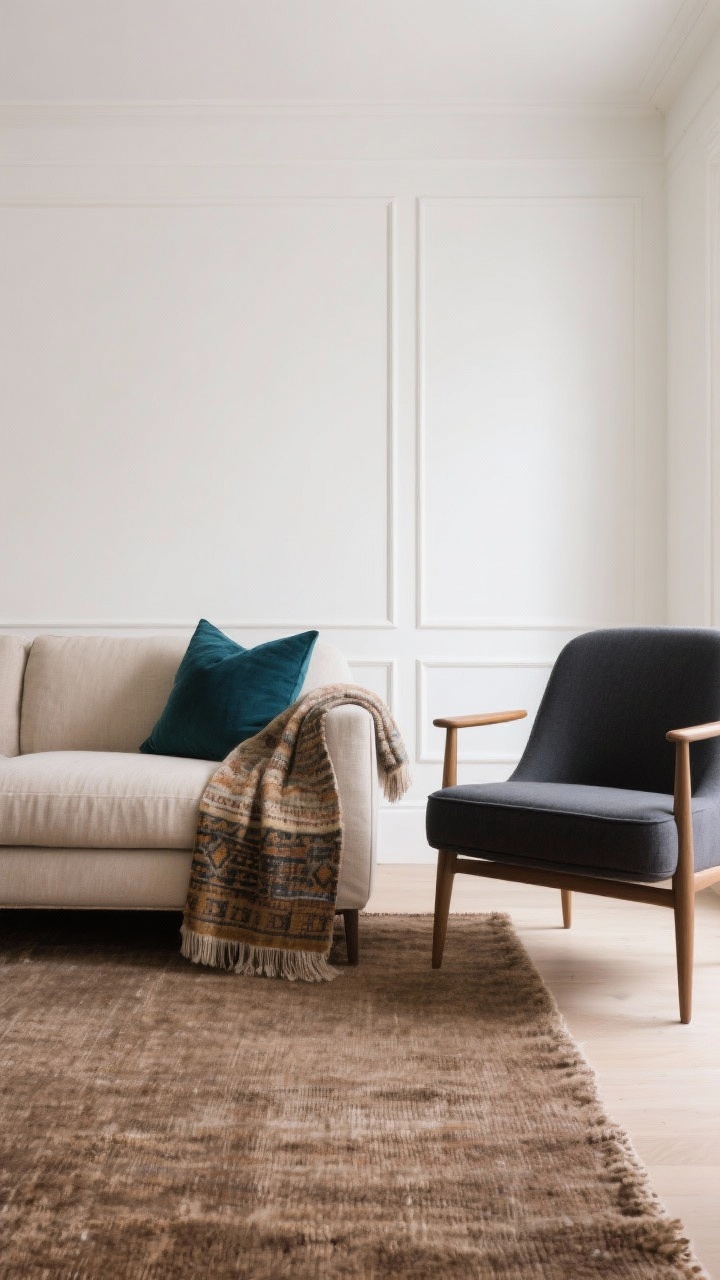
Luxury starts with a cohesive palette. Pick 2–3 main colors and 1–2 accents. That’s it. When everything speaks the same language, the room feels calm and intentional—aka expensive.
How to choose like a designer
- Neutral base: Soft white, warm taupe, mushroom, or charcoal add instant polish.
- Accent tones: Deep navy, olive, oxblood, or muted teal look rich without shouting.
- Finish matters: Mix matte walls with a satin trim for subtle contrast.
Pro move: Pull your palette from one textile—like a rug or drapery—and repeat those tones across the room. FYI, this is how you get that “everything just goes” vibe.
2. Layer Textures Like A Pro
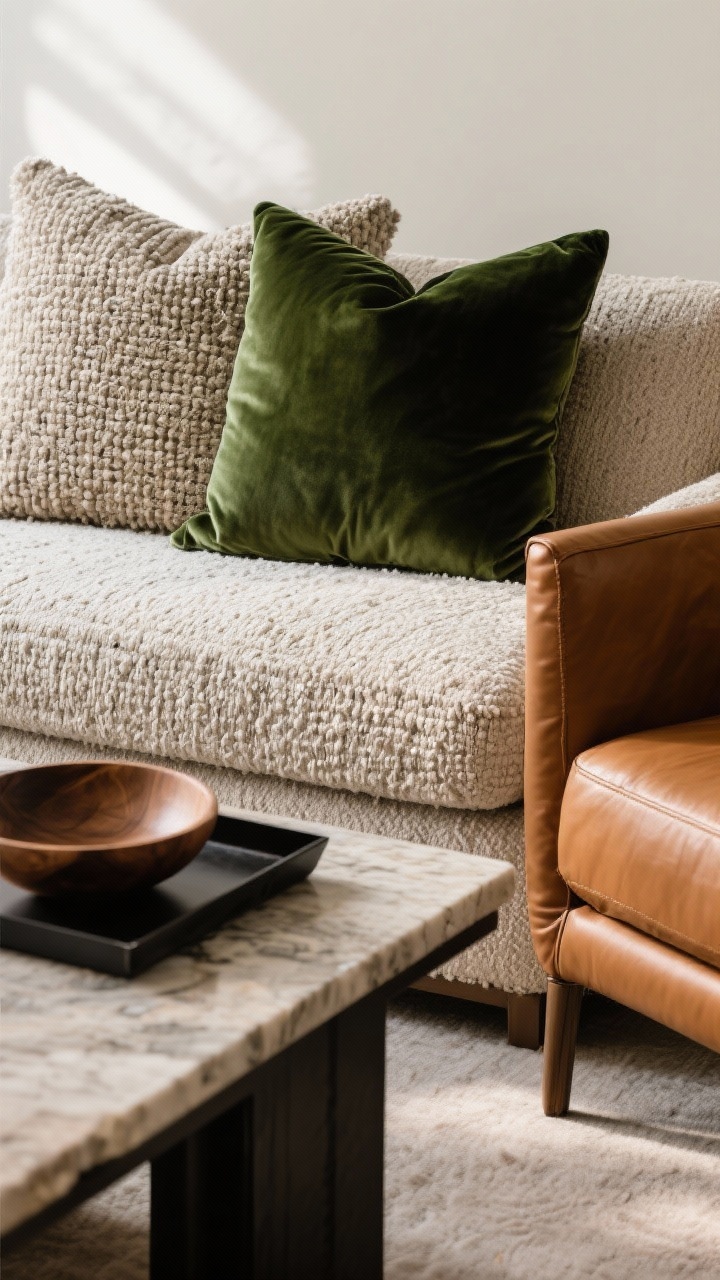
Texture is the secret sauce. When you combine smooth, nubby, glossy, and organic, your space suddenly feels layered and luxe. If everything is the same material, it reads flat (and kinda cheap).
Try these combos
- Upholstery: Bouclé or linen sofa with a velvet pillow and a leather accent chair.
- Rugs: A wool or jute base layered with a patterned vintage rug on top.
- Surfaces: Stone or faux-marble coffee table with a metal tray and a wood bowl.
Think of it like a great outfit: denim, silk, and a bit of gold jewelry. Instant upgrade.
3. Elevate With Lighting Layers
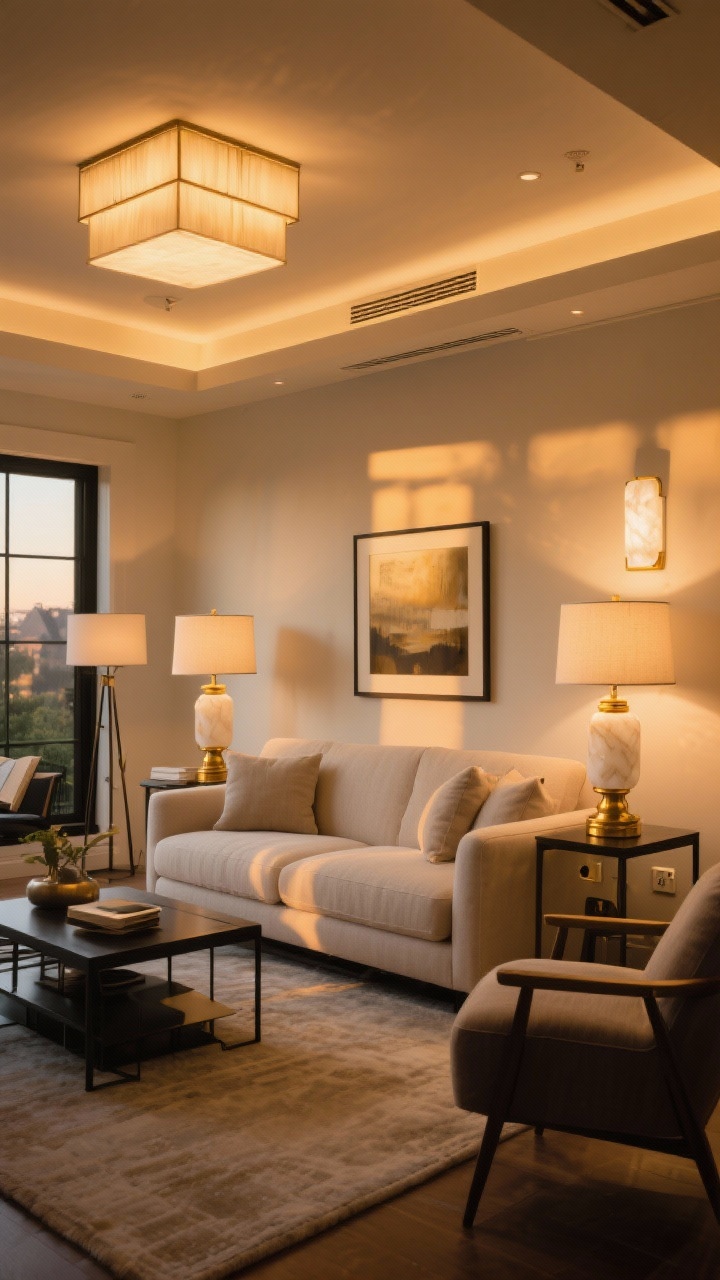
Overhead lighting alone is a mood killer. Designers use at least three lighting types to create depth: ambient (overhead), task (reading lamps), and accent (sconces or picture lights). The more layers, the richer the room feels.
Designer lighting checklist
- Dim everything: Add dimmers to overheads and lamps. Soft light = fancy.
- Mix materials: Brass, blackened metal, alabaster, linen shades—textures matter here too.
- Place with purpose: Lamps flanking a sofa, a sconce over art, a floor lamp near a chair.
Bonus: Try warm bulbs (2700K–3000K). Cool light makes even expensive stuff look meh.
4. Use Oversized Art (Or Go Gallery Wall Done Right)
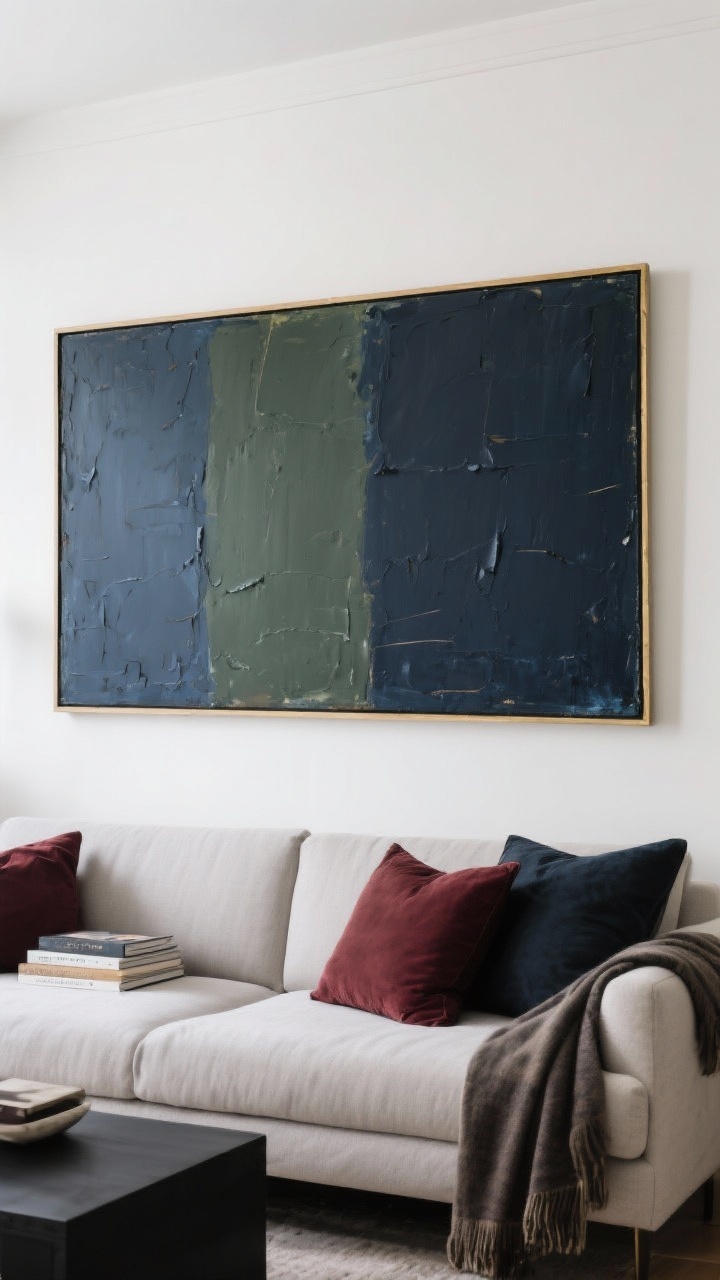
Small art sprinkled everywhere looks cluttered. One big piece gives the room a focal point and screams confidence. Not ready to commit? A tight, cohesive gallery wall can be just as striking.
Art rules that never fail
- Go big: For a sofa, aim for art that’s 2/3 its width.
- Repeat tones: Pull colors from your art into pillows, books, or throws.
- Frame quality: Simple black, wood, or brass frames elevate even affordable prints.
And yes, oversized canvas + DIY texture paste is a legit trick designers sneak in. No one will know. We won’t tell.
5. Tailor Your Windows Like Couture
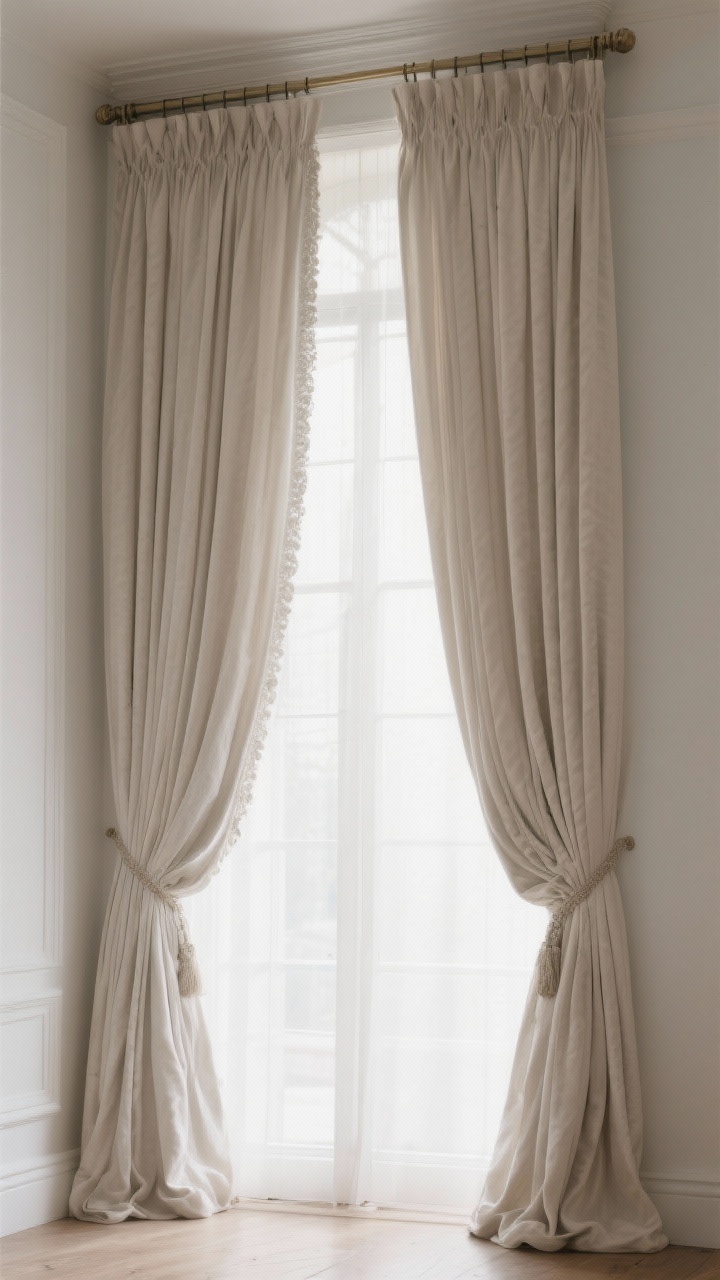
Wrinkly, short curtains? Instant “renter energy.” Floor-to-ceiling drapes make a room feel taller, softer, and finished. Even simple linen panels can look custom with the right hang.
Get the drapes right
- Mount high and wide: Hang the rod 6–12 inches above the frame, extend 8–12 inches past each side.
- Skim or break: Curtains should kiss the floor or break slightly—never float.
- Opt for fullness: Panels should total 2–2.5x the window width for rich pleats.
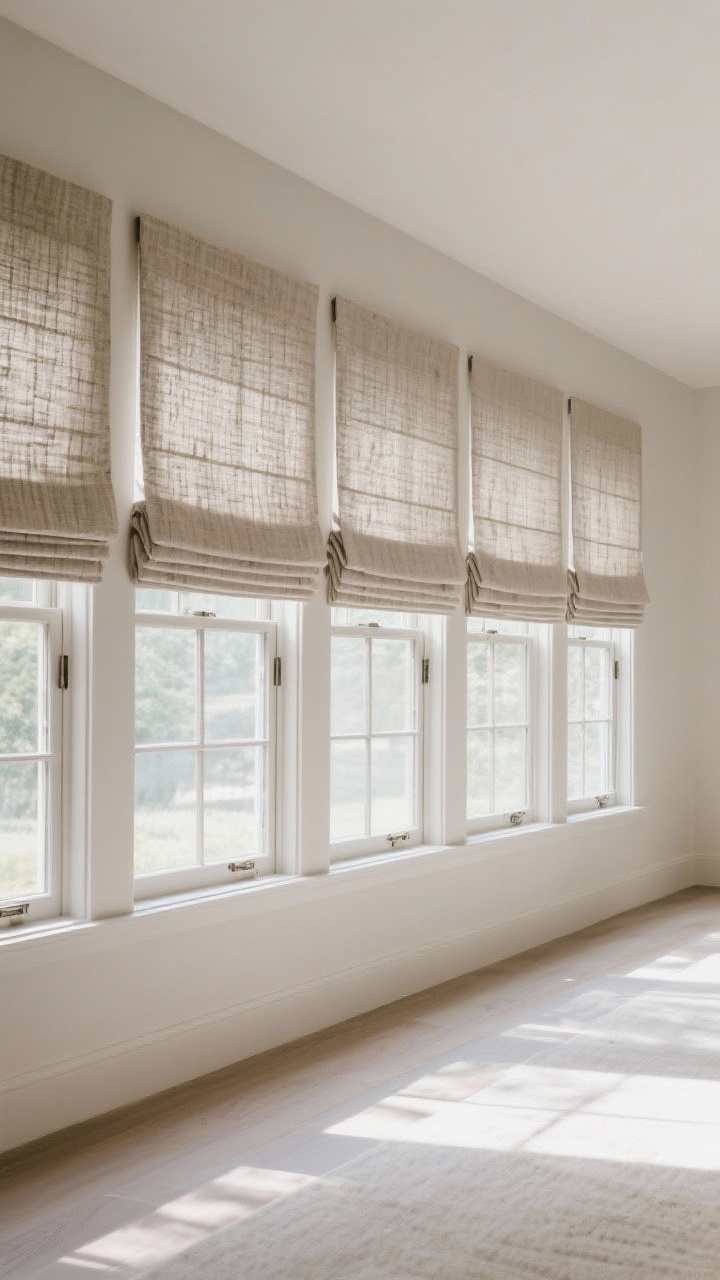
Roman shades in a textured fabric or woven wood also look high-end. Bonus points for blackout lining—function feels fancy.
6. Edit Ruthlessly (Then Add One Bold Moment)
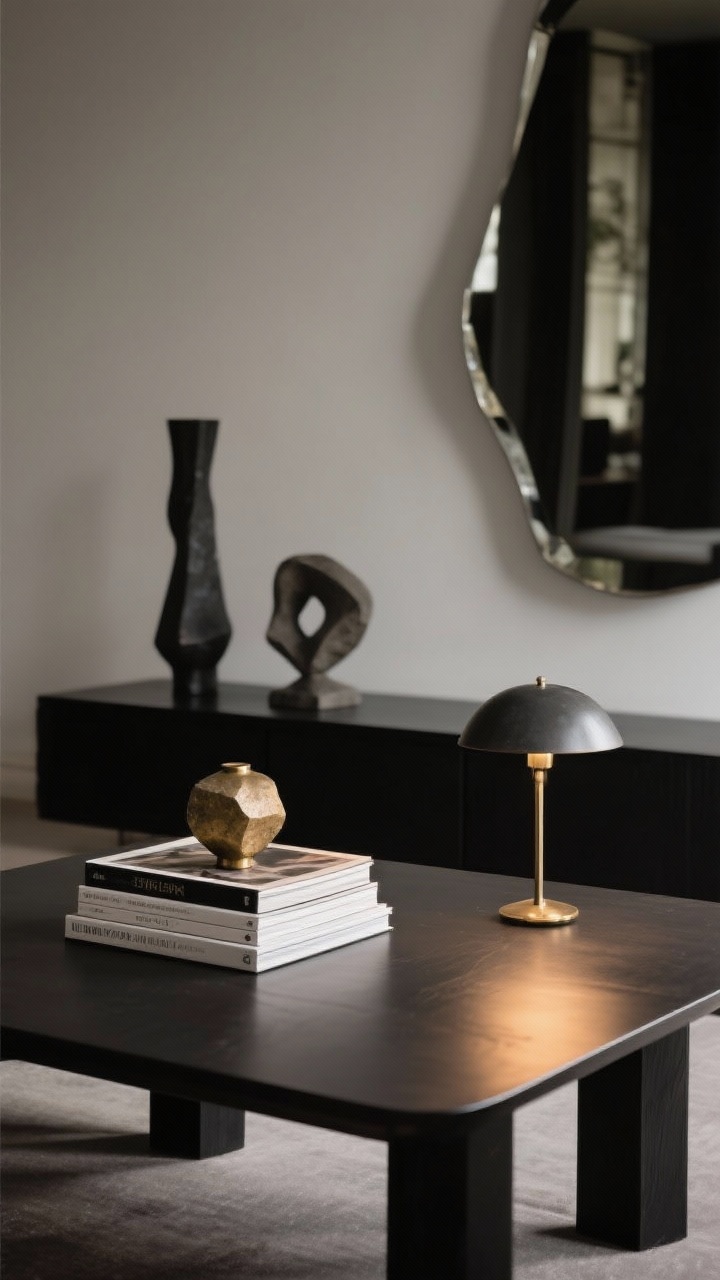
Clutter is the enemy of luxury. Edit surfaces down to a few beautiful pieces, then let one bold element steal the show—a sculptural lamp, a dramatic mirror, or a moody accent chair.
What to display
- Books + objects: Stack coffee table books and top with a stone or brass object.
- Odd numbers: Style in threes: tall, medium, small for easy balance.
- One statement: A giant plant, ornate mirror, or dramatic light fixture does the heavy lifting.
Remember: negative space is power. Give your best pieces room to breathe and they’ll look more expensive. IMO, this is the fastest “rich” trick.
7. Upgrade Hardware And Details
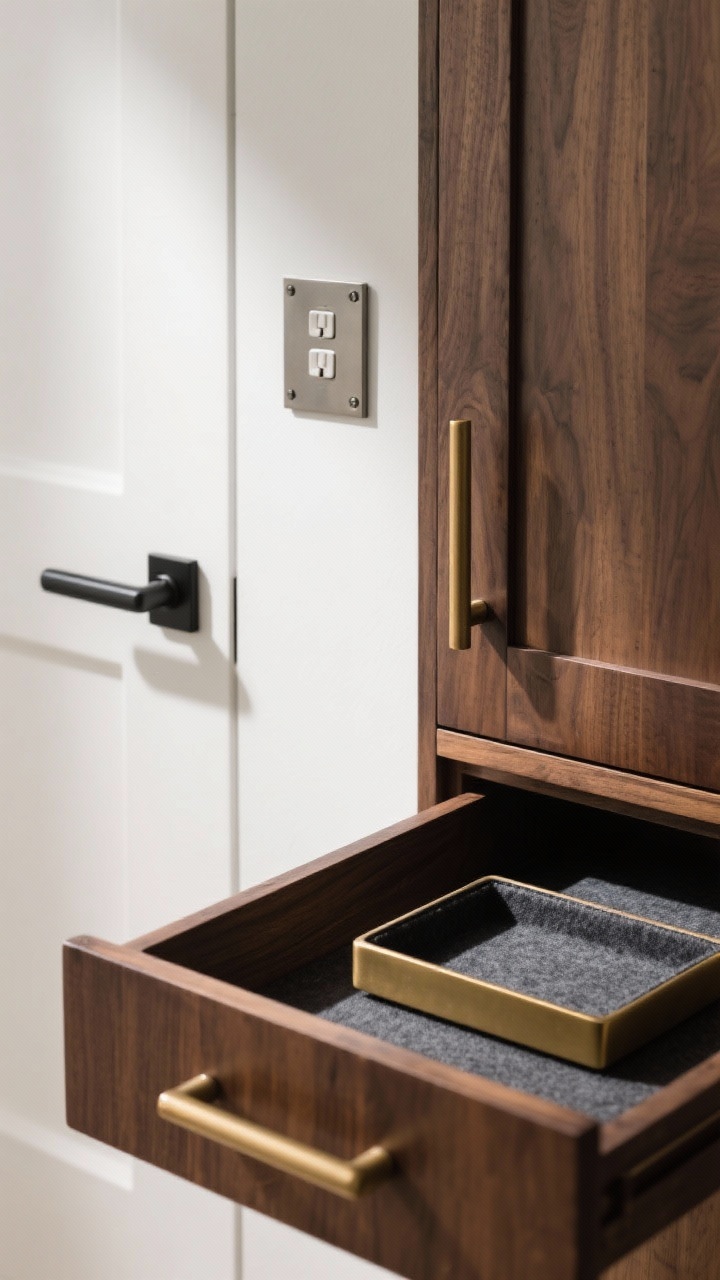
Tiny changes, huge payoff. Swapping generic knobs, pulls, switch plates, and vent covers for quality options instantly upgrades a room. Hardware is the jewelry—make it shine.
Where to switch it up
- Cabinet hardware: Go for solid metal in brass, bronze, or matte black.
- Door hardware: Lever handles feel modern and substantial.
- Switch plates: Metal or screwless plates = subtle refinement.
Also, line drawers with felt, organize with trays, and corral remotes. Luxury is as much about touch and ease as looks.
8. Bring In Natural Materials (And Real Greenery)
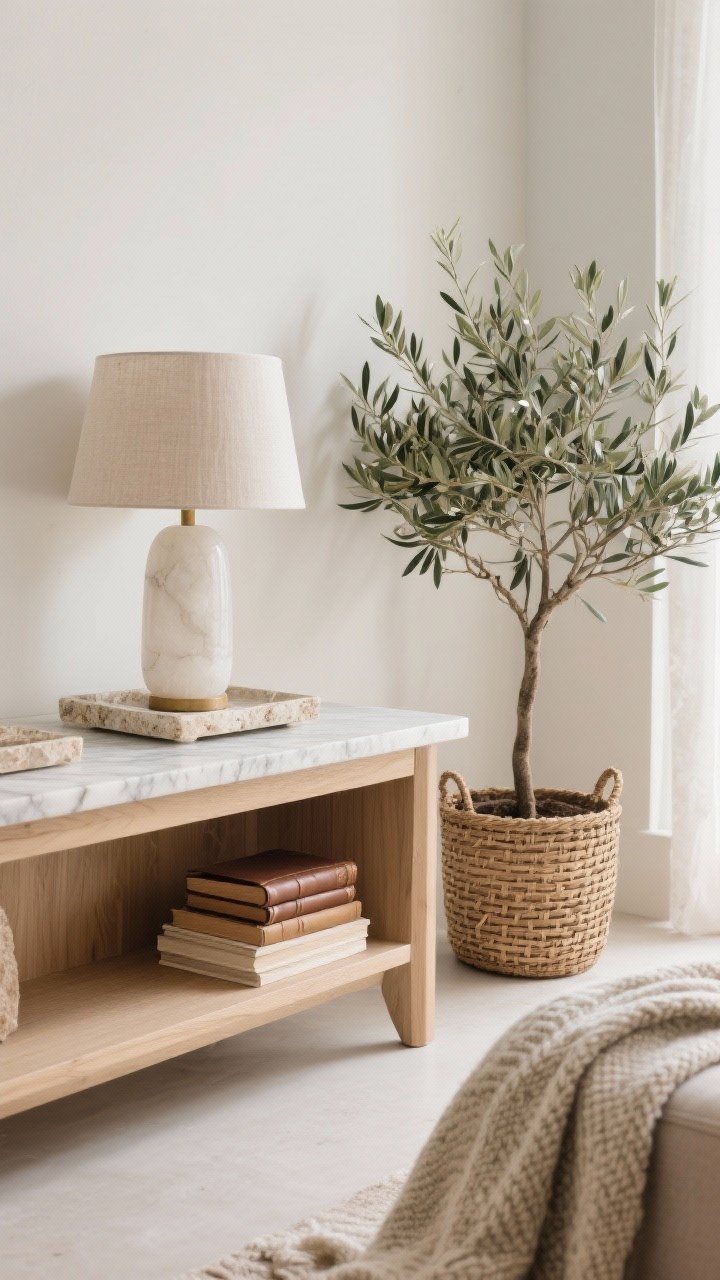
Nature always reads expensive. Stone, wood, leather, wool, rattan—mix a few and your room comes alive. Then add something green. A plant immediately softens and elevates everything.
Designer-approved naturals
- Stone moments: Marble tray, travertine side table, alabaster lamp base.
- Warm woods: Walnut, white oak, or ebonized finishes look timeless.
- Real plants: Fiddle leaf, olive tree, rubber plant, or a vase of branches.
No green thumb? Dried florals or high-quality faux stems can still look chic. Just avoid plastic shine. Dust them—dust is the opposite of luxury.
9. Prioritize Scale, Symmetry, And Negative Space
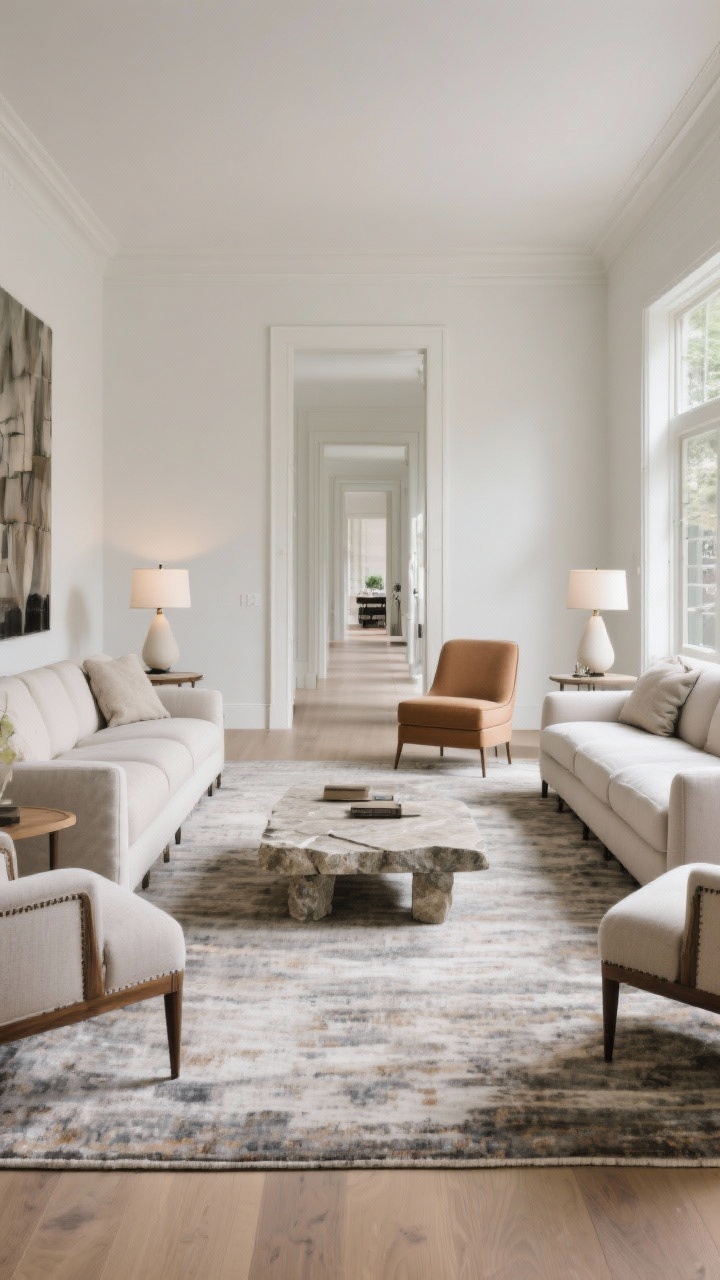
Luxury is a feeling of ease. That comes from good proportions and balance. If your pieces are too small or everything is shoved against walls, the room will never feel elevated.
Scale and layout tips
- Size up your rug: Front legs of all seating should sit on it (ideally all legs). Bigger almost always looks better.
- Mind the margins: Leave 18 inches between sofa and coffee table; 30–36 inches for main walkways.
- Symmetry sparingly: Pair lamps or chairs to stabilize the room, then break it with one off-center accent.
Float furniture away from walls when possible. The breathing room instantly feels curated and high-end.
10. Add Scent, Sound, And Softness
Luxury is multi-sensory. The best rooms feel good, smell good, and sound calm. Designers think beyond looks—so should you.
Make it immersive
- Scent: Candles, diffusers, or incense in notes like cedar, amber, sandalwood, or fig.
- Sound: A subtle playlist, hidden speaker, or even a small water feature.
- Softness: High-quality throw, plush pillows, and a thick rug pad underfoot.
Even practical things can feel luxe: a beautiful catchall by the door, woven baskets for blankets, or a cashmere blend throw. It’s the details for me, truly.
Quick Luxury Checklist
- Color story: 2–3 main colors, 1–2 accents
- Textures: At least four in any given vignette
- Lighting: Three layers + dimmers
- Art: Go oversized or tight gallery
- Windows: Floor-to-ceiling, full, and tailored
- Edit: Leave negative space
- Hardware: Swap the basics for quality
- Naturals: Stone, wood, and greenery
- Scale: Bigger rug, balanced layout
- Senses: Scent, sound, softness
Bottom line: luxury isn’t about price tags—it’s about intention. Pick your palette, layer textures, light the room like a movie set, and edit with confidence. Your space will look curated, collected, and yes, expensive. Now light that candle and enjoy your five-star living room—no velvet rope required.
Explore More & Elevate Your Home
If you’re dreaming of stylish rooms, warm textures and beautiful details that transform your space, explore our Home Décor.
For soft evenings, slow routines and a home that feels like a warm hug, discover more ideas in Cozy Living.
If you’re ready for less chaos and more calm, find realistic routines, systems and tidy-home solutions inside Cleaning & Organization.
For soft-life habits, everyday rituals and feminine home routines that feel good, visit our Home Lifestyle.
When you’re in the mood for glow-up projects, quick transformations and creative home upgrades, explore DIY & Makeovers.
And if you want your balcony, terrace or garden to feel just as cozy as your indoors, get inspired in Garden & Outdoor Living.