
Your garden can be the chic outdoor room your home deserves—or a chaotic plant hospital. Let’s aim for chic. If you’re just starting out, a few classic missteps can sabotage your vision fast. The good news? They’re totally avoidable. Consider this your stylish gardener’s cheat sheet—equal parts practical and pretty.
1. Planting Without A Plan (AKA Vibes Only Is Not A Strategy)
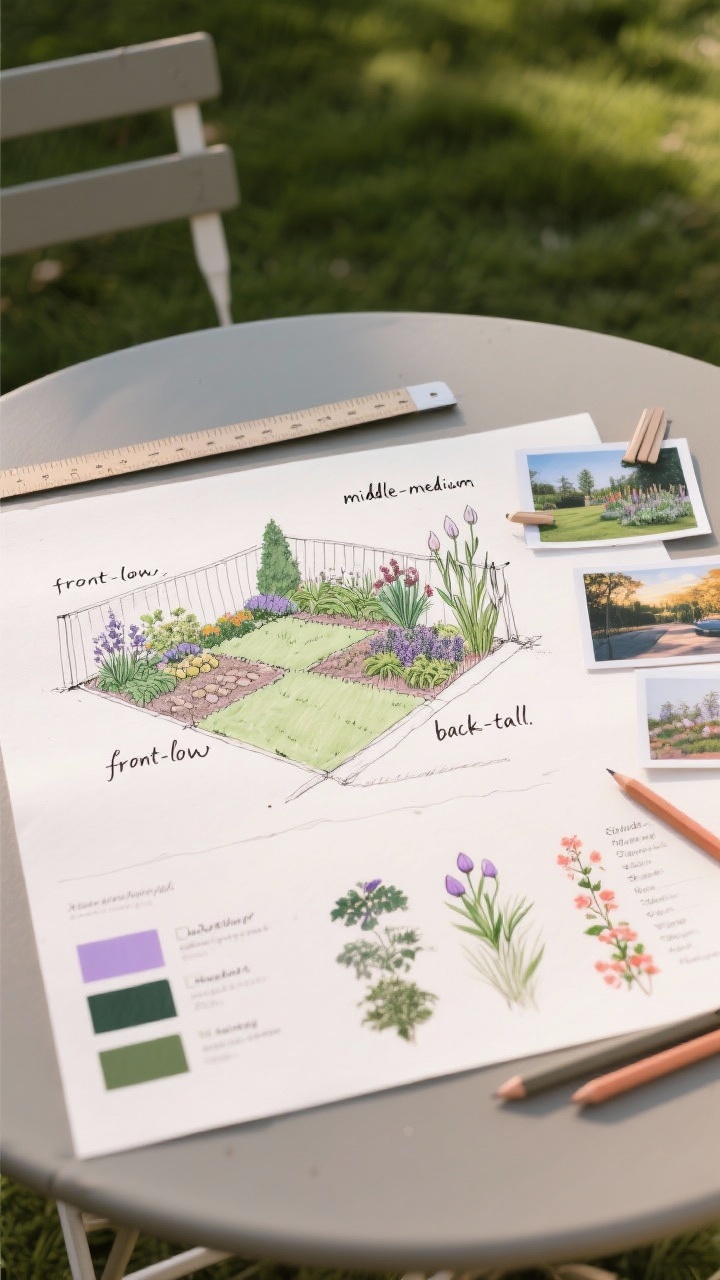
Winging it with plants is like decorating without measuring—cute idea, messy result. Before you hit the nursery, sketch your space and decide on a color palette, heights, and bloom times. You don’t need architectural plans; a rough map is enough.
Design Like You Style A Room
- Create zones: Front (low), middle (medium), back (tall) for layered depth.
- Pick a palette: 2–3 main colors + 1 accent keeps things cohesive.
- Think year-round: Mix spring bulbs, summer perennials, and winter structure (evergreens, grasses).
Pro tip: Snap photos of your space at different times of day to see light and shadows. It’s like checking paint swatches in daylight—game changer.
2. Ignoring Sun And Soil (Your Plants Notice, BTW)
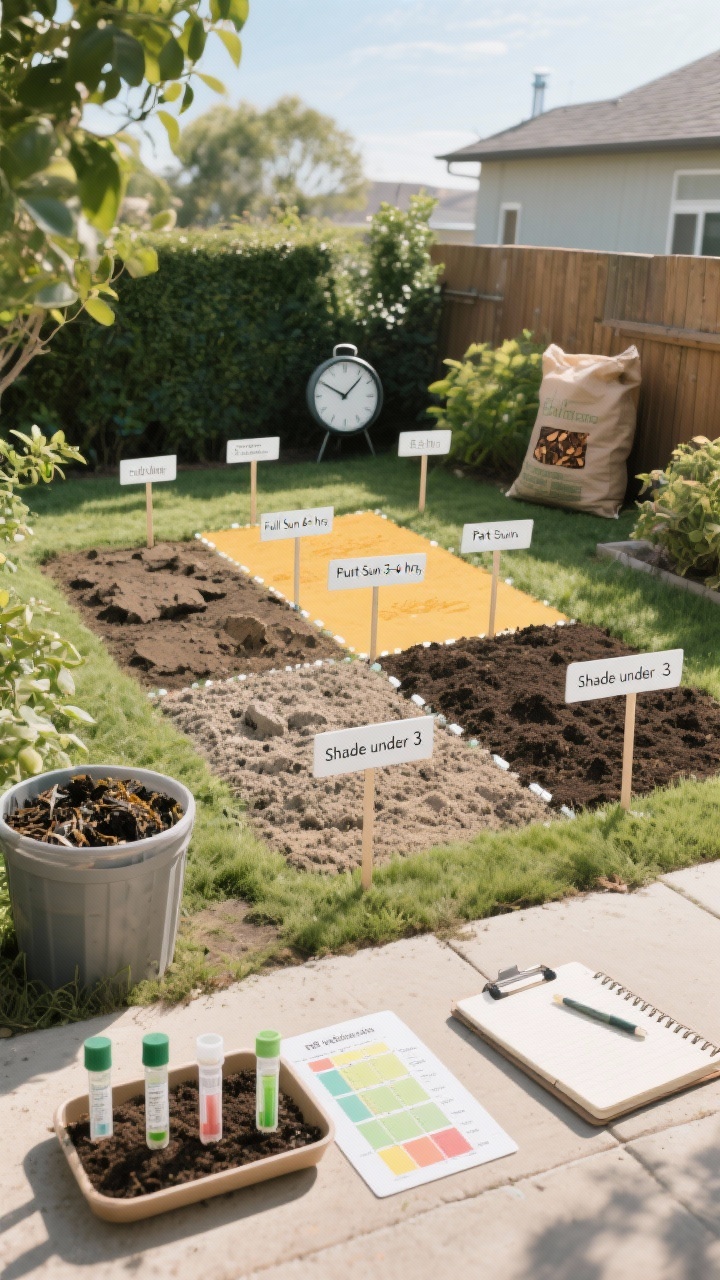
Plants aren’t mysterious—they’re picky. If the tag says “Full Sun” and you give it shade, it’ll sulk. Same goes for soil: clay, sand, or loam makes a big difference in drainage and nutrient availability.
Audit Your Garden
- Sun check: Track sun exposure every 2 hours. Full sun = 6+ hours. Part sun/shade = 3–6 hours. Shade = under 3.
- Soil test: Use a cheap kit or send to your local extension service. You’ll get pH and nutrient data.
- Fix the base: Add compost to improve almost any soil. For heavy clay, mix in fine bark and compost; for sandy soil, add compost and mulch to retain moisture.
Match plant to place, not vibe to wishlist. Your future self (and your plants) will be thrilled.
3. Overwatering And Underwatering (The Twin Villains)
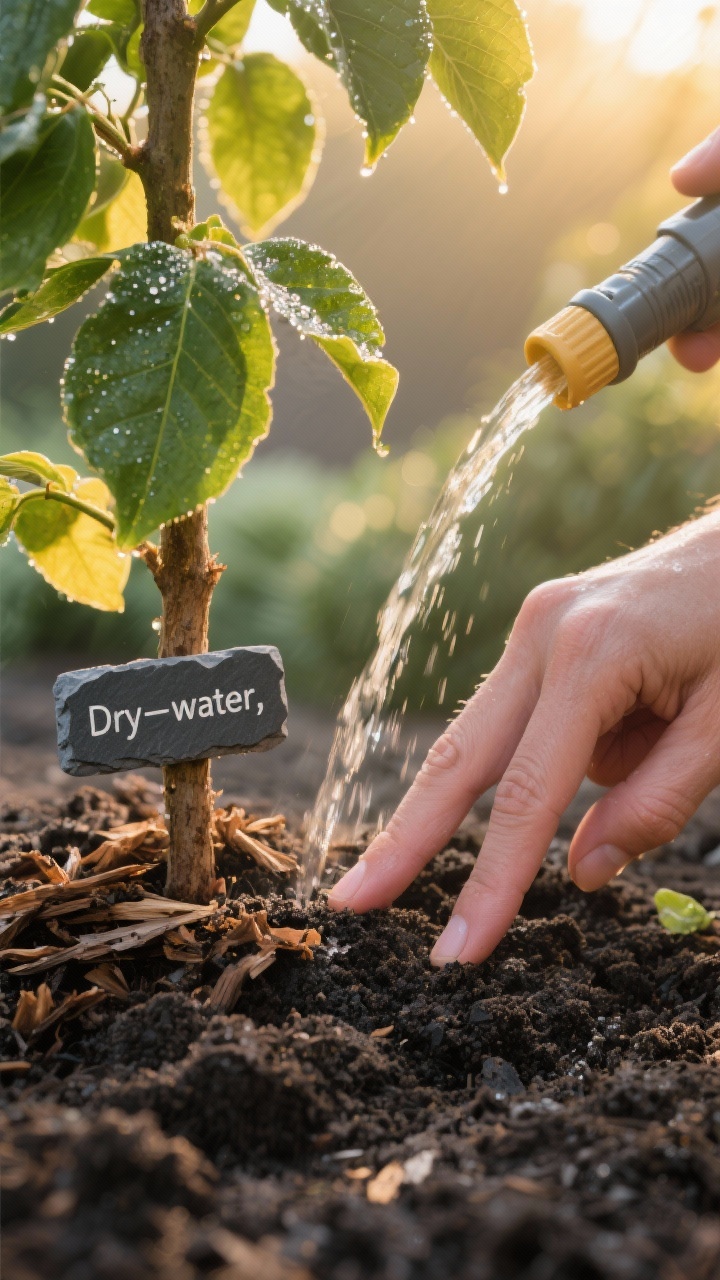
New gardeners often shower plants with love… and water. But soggy roots suffocate; dry roots starve. The trick is consistency, not intensity.
Water Smarter, Not Harder
- Finger test: Stick a finger 2 inches into soil. Dry? Water. Damp? Hold off.
- Deep and infrequent: Water less often but longer to encourage deeper roots.
- Morning routine: Water early to reduce evaporation and fungal issues.
- Mulch matters: A 2–3 inch layer keeps moisture steady and temps down.
FYI: Yellow leaves can mean too much water just as often as too little. Check the soil before you panic-prune.
4. Skipping Mulch (Your Garden’s Stylish Workhorse)
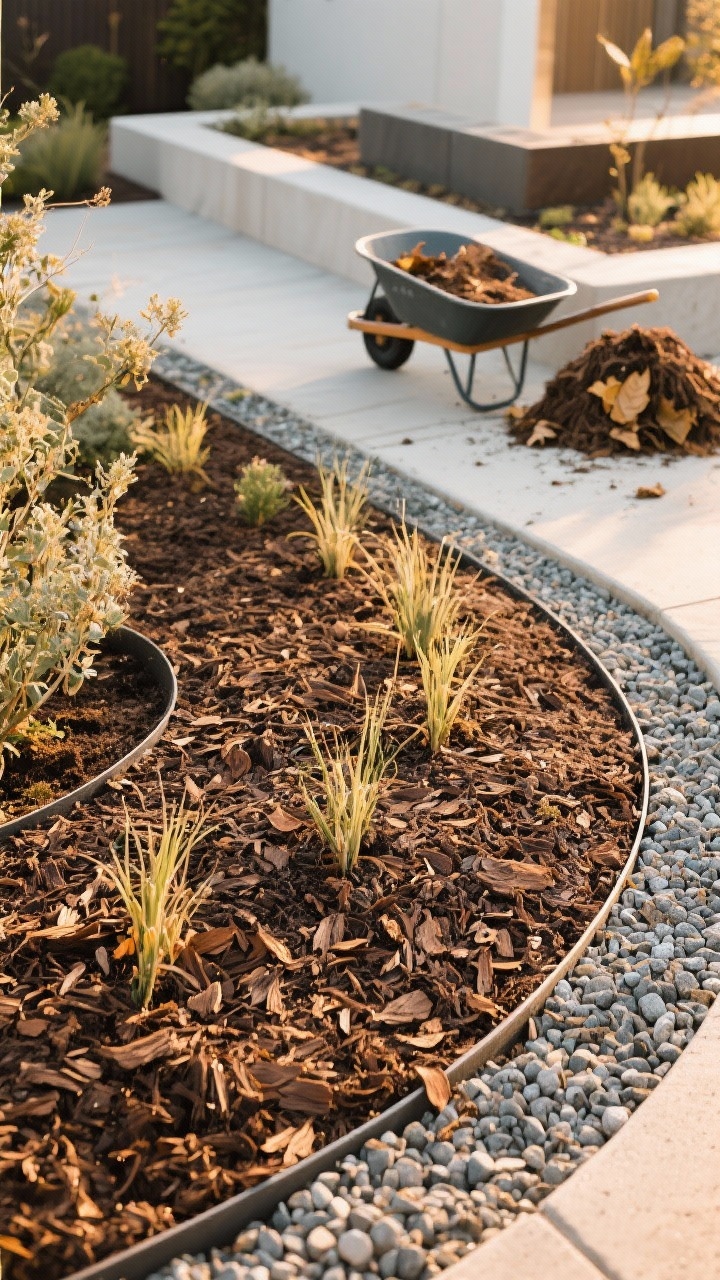
Mulch is basically area rugs for your garden—ties everything together and makes maintenance way easier. It suppresses weeds, regulates soil temps, and holds moisture.
Mulch Like A Pro
- Depth: 2–3 inches around plants, but keep a mulch-free donut around stems to prevent rot.
- Material: Shredded bark, leaf mold, or compost for beds; pea gravel looks crisp in modern or dry gardens.
- Timing: Apply in spring and top up mid-season if it thins.
Bonus: Mulch creates instant polish, the landscaping equivalent of good throw pillows.
5. Planting Too Close (Crowded = Cranky)
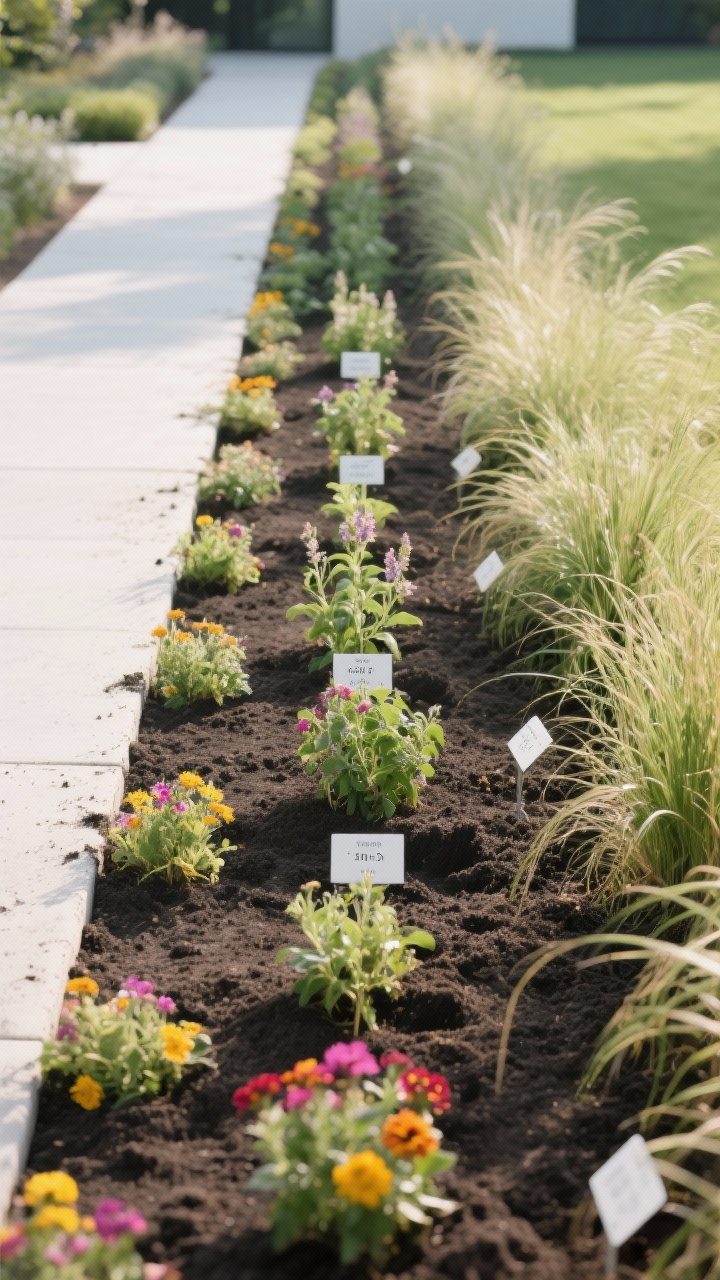
We’ve all done it—squeezed in “just one more” plant. But baby plants grow up, and overcrowding invites disease, poor airflow, and sad blooms.
Give Them Elbow Room
- Read mature size: Plant for the adult dimensions on the label, not the adorable seedling.
- Airflow equals health: Leave space for breezes to cut down on mildew and fungus.
- Use fillers: Annuals can fill gaps the first year while perennials bulk up.
Resist the urge to jam them in. Empty space now = lush fullness later.
6. Neglecting The Roots (It’s What’s Below That Counts)
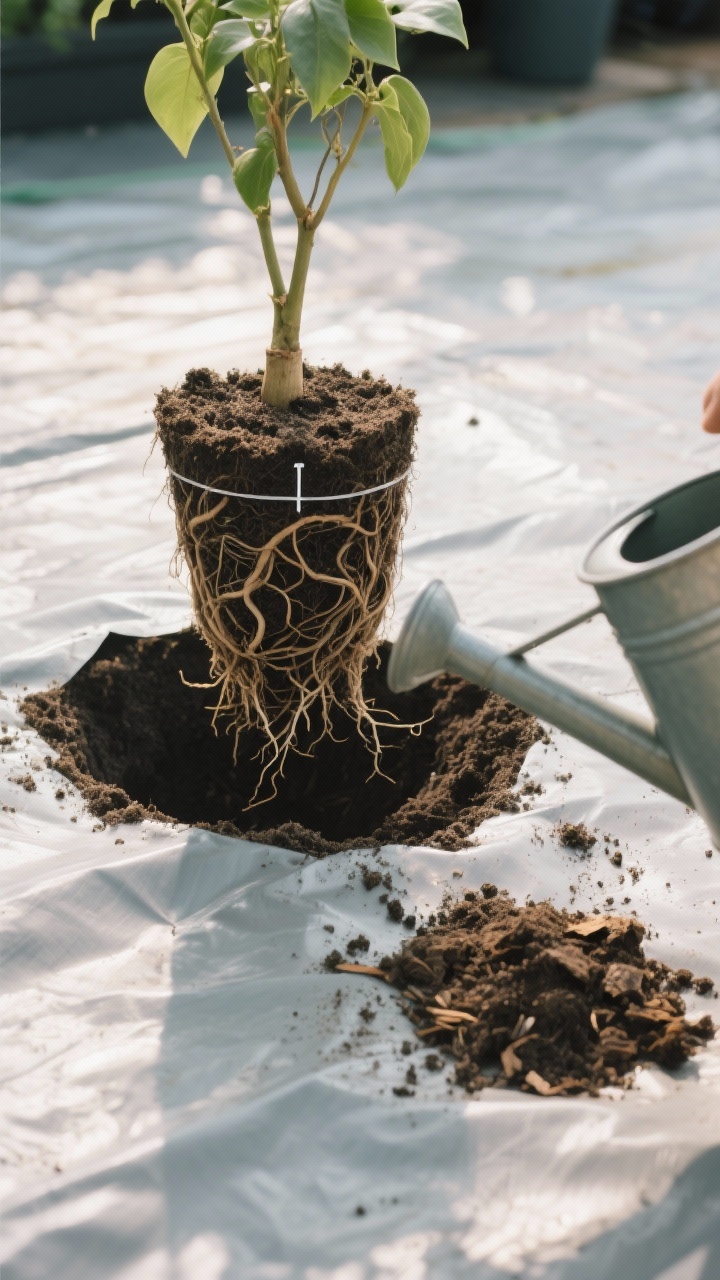
New plants need root TLC. If you plop them in compacted soil without loosening roots or amending the hole, they stall. Roots are the engine; give them room to run.
Root-First Planting
- Tease the roots: Gently loosen circling roots from nursery pots so they don’t keep spiraling.
- Right depth: Plant at the same level as in the pot—no deeper. Buried crowns = rot.
- Wider hole: Dig 2–3 times as wide, not deeper. Backfill with native soil + compost (about 20–30%).
- Water in: After planting, water thoroughly to eliminate air pockets.
Think of it as setting up great Wi-Fi for your plants—strong roots mean strong performance.
7. Using The Wrong Fertilizer (Or Too Much Of The Right One)
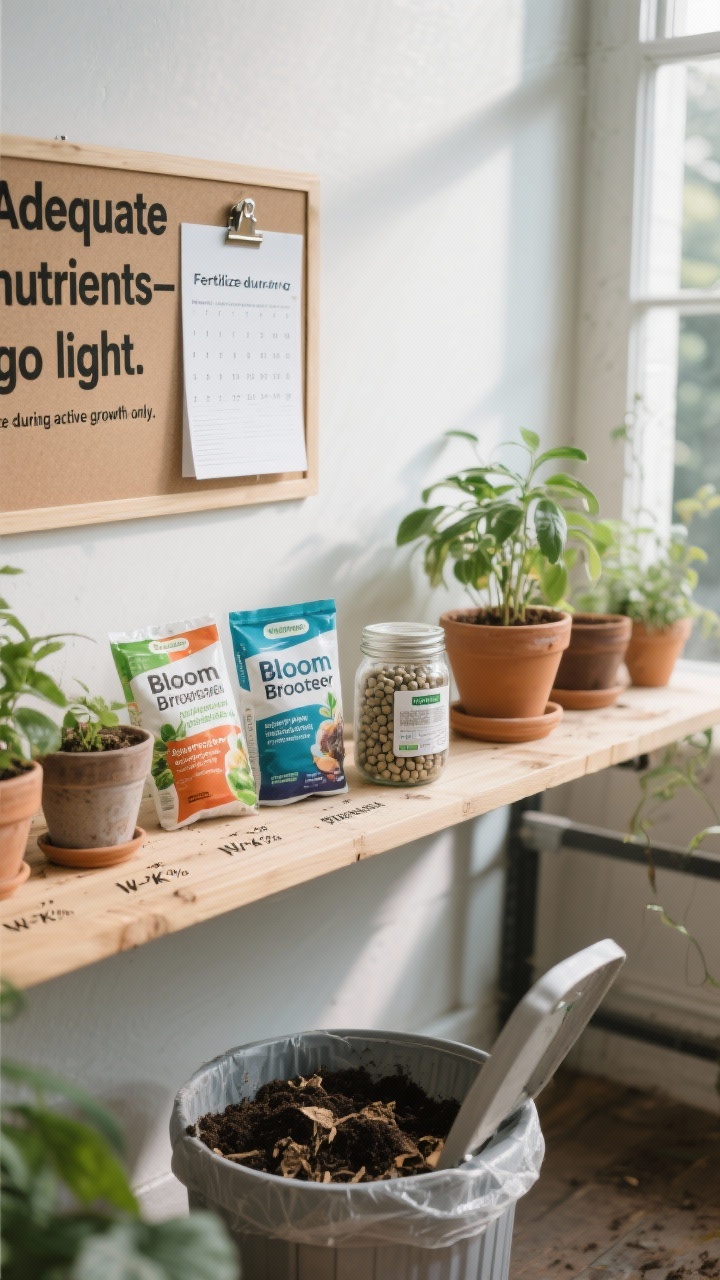
Fertilizer isn’t a magic potion. Too much nitrogen makes leafy growth at the expense of flowers. Wrong formula? You’ll feed the weeds more than the roses.
Feed With Intention
- Start with a test: If your soil is decent, you might not need much beyond compost.
- Right ratio: Look for N-P-K suited to your goals: higher phosphorus for blooms, balanced for general growth.
- Slow and steady: Use slow-release organic options for fewer spikes and safer results.
- Timing matters: Fertilize during active growth, not dormancy or drought stress.
When in doubt, underfeed. You can always add more later; you can’t unfry roots.
8. Forgetting Seasonal Care (Gardens Have Schedules, Too)
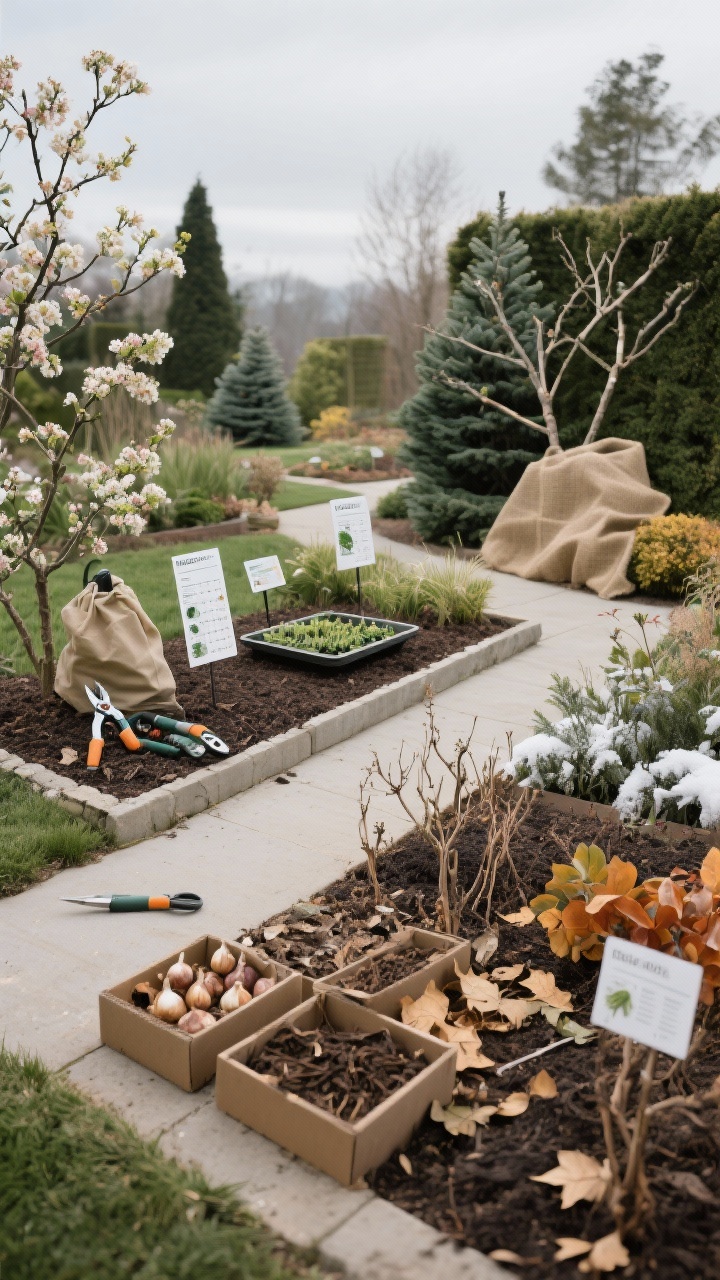
Plants have rhythms. Skipping seasonal chores is like ignoring your skincare routine and expecting a glow-up. A little timing goes a long way.
Your Seasonal Playbook
- Spring: Clean up winter debris, prune dead wood, divide perennials, edge beds, refresh mulch.
- Summer: Deadhead spent blooms, monitor pests, consistent watering, light feeding if needed.
- Fall: Plant bulbs, cut back disease-prone plants, compost leaves, protect tender perennials.
- Winter: Prune select shrubs/trees (check species), protect evergreens from wind, plan next season.
Set calendar reminders. Future you will brag about the results (and deservedly so).
9. Overlooking Pests And Disease (Catch The Drama Early)
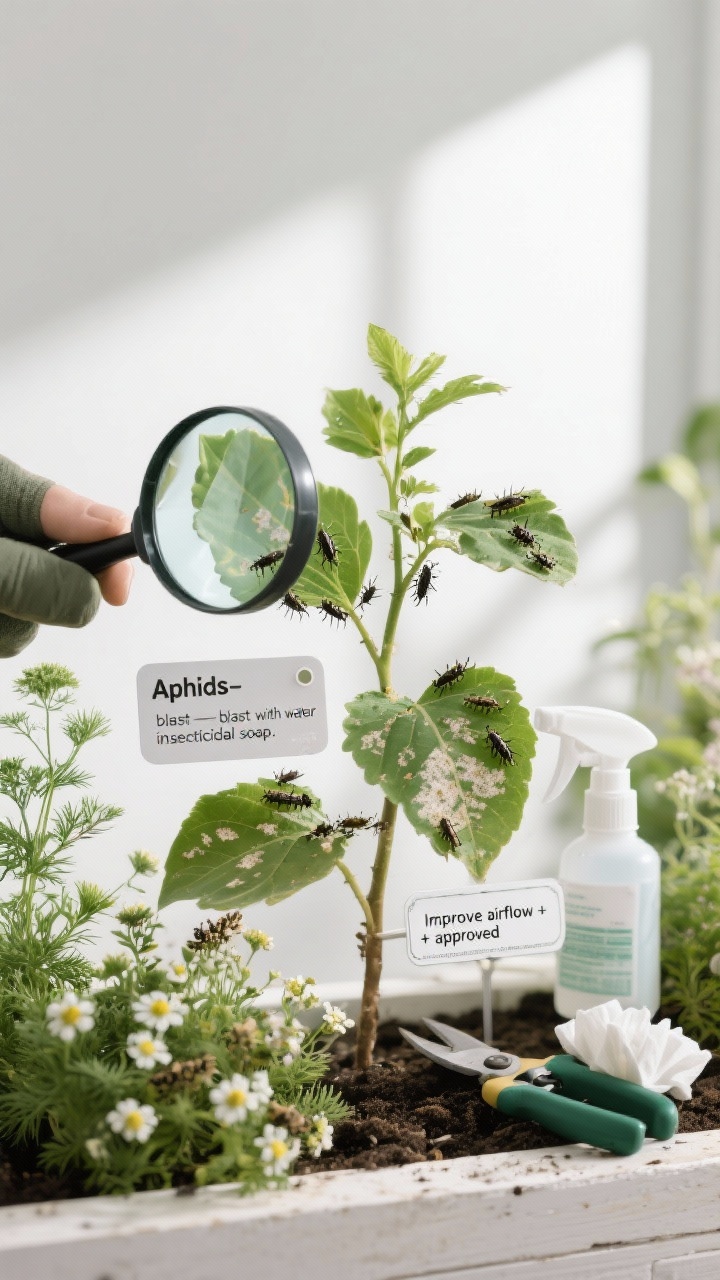
By the time leaves are Swiss cheese, the party’s been going on for weeks. Regular check-ins help you spot issues before they spread.
Scout, Then Solve
- Weekly walk-through: Flip leaves, look for sticky residue, holes, webbing, or odd spots.
- Identify first: Aphids? Blast with water or use insecticidal soap. Powdery mildew? Improve airflow and try a fungicide labeled for it.
- Encourage allies: Ladybugs, lacewings, and birds are your glam security team. Plant dill, yarrow, or alyssum to attract them.
- Clean tools: Disinfect pruners between plants when disease is present to avoid spreading it.
IMO, prevention beats cure. Healthy plants resist pests better—so circle back to sun, soil, spacing, and water.
10. Choosing High-Maintenance Plants For A Low-Maintenance Life
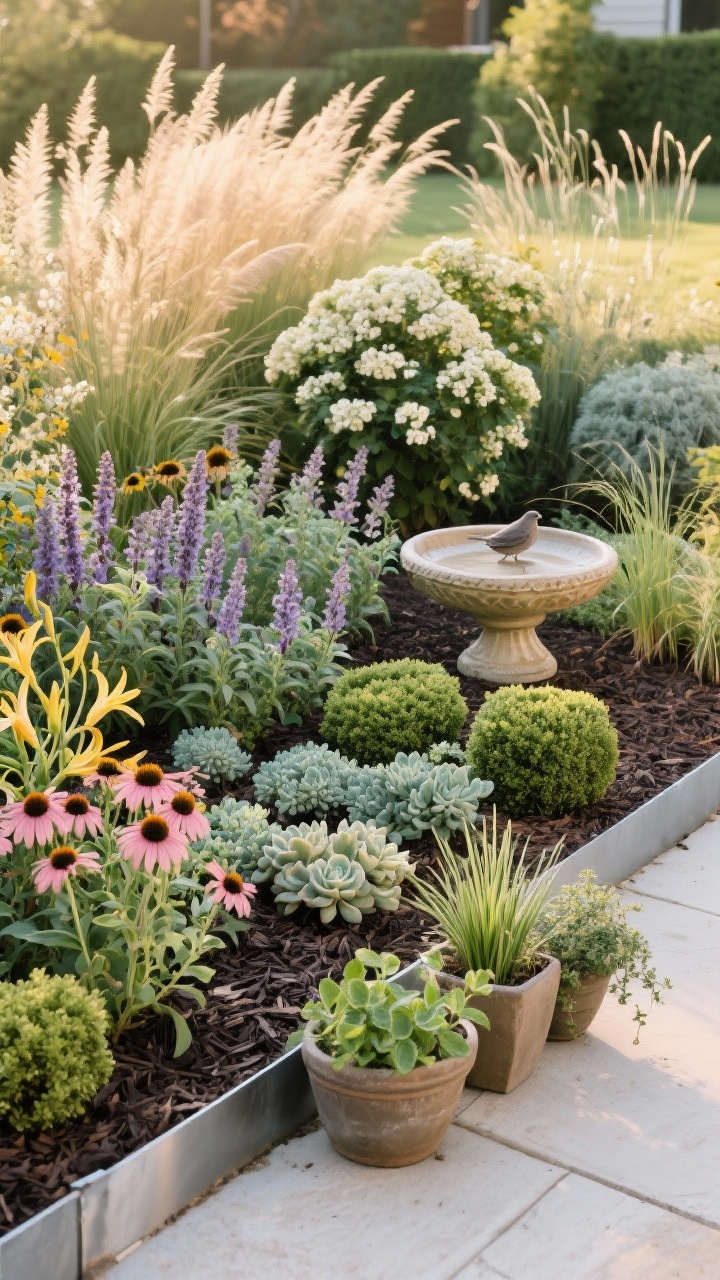
Some plants are divas. If you’re short on time, don’t adopt a collection of daily-needs seedlings. Pick resilient, beautiful workhorses that give you style without constant fuss.
Start With Easy Winners
- Perennials: Coneflower, salvia, catmint, daylilies, sedum, black-eyed Susan.
- Shrubs: Boxwood (for structure), hydrangeas (choose the right type for your zone), spirea, viburnum.
- Grasses: Feather reed grass, little bluestem, fountain grass for texture and movement.
- Edibles: Herbs like rosemary, thyme, mint (contain it!), and chives are forgiving and gorgeous in pots.
Match plant choices to your lifestyle. Love weekends away? Go drought-tolerant and mulch heavy. Homebody? Try containers you can fuss over—sparingly, of course.
Bonus Styling Tips To Make It Look Designed
- Repeat plants: Use the same plant in groups of 3 or 5 for rhythm.
- Contrast textures: Pair feathery grasses with bold-leafed hostas or hydrangeas.
- Edge your beds: A crisp border (steel, brick, or clean spade edge) makes everything look intentional.
- Add focal points: A birdbath, urn, or small tree anchors the view like a statement chandelier.
Gardening isn’t about perfection; it’s about momentum. Skip these common mistakes, and your yard will go from “random plant park” to “effortless oasis” faster than you think. Start small, stay curious, and celebrate every new bloom. Your outdoor space is about to be the most stylish room in your home—no drywall required.
Discover free printable activities, coloring pages, and learning fun screen-free and perfect for cozy days at home.
Visit FreeKidsHub →Explore More & Elevate Your Home
If you’re dreaming of stylish rooms, warm textures and beautiful details that transform your space, explore our Home Décor.
For soft evenings, slow routines and a home that feels like a warm hug, discover more ideas in Cozy Living.
If you’re ready for less chaos and more calm, find realistic routines, systems and tidy-home solutions inside Cleaning & Organization.
For soft-life habits, everyday rituals and feminine home routines that feel good, visit our Home Lifestyle.
When you’re in the mood for glow-up projects, quick transformations and creative home upgrades, explore DIY & Makeovers.
And if you want your balcony, terrace or garden to feel just as cozy as your indoors, get inspired in Garden & Outdoor Living.